 91 citations
,
May 2003 in “American Journal of Pathology”
91 citations
,
May 2003 in “American Journal of Pathology” This study found that prolactin and its receptor are expressed in the murine hair follicle epithelium, influencing hair cycle phases by down-regulating keratinocyte proliferation during anagen and inducing premature catagen.
 3 citations
,
July 2021 in “Life science alliance”
3 citations
,
July 2021 in “Life science alliance” This study observed that disrupting the Pnkp gene in adult mice resulted in a premature aging-like phenotype, suggesting PNKP's vital role in maintaining normal growth and survival of certain progenitor cell populations.
 5 citations
,
June 2012 in “The journal of investigative dermatology/Journal of investigative dermatology”
5 citations
,
June 2012 in “The journal of investigative dermatology/Journal of investigative dermatology” This study found that applying topical thymidine dinucleotide (pTT) to newborn mice before UV exposure delayed and reduced melanoma development compared to untreated controls.
January 2016 in “프로그램북(구 초록집)” This study found that combining a thulium laser with intra-perifollicular PDRN injections significantly improved hair thickness but not hair counts compared to mesotherapy and PDRN in patients with pattern hair loss.
10 citations
,
August 1998 in “Journal of Investigative Dermatology”  7 citations
,
January 2021 in “Evidence-based complementary and alternative medicine”
7 citations
,
January 2021 in “Evidence-based complementary and alternative medicine” This study suggests that porphyra-334 may have antiaging properties, promoting collagen synthesis, improving periorbital wrinkles, and supporting hair follicle growth through gene regulation.
 10 citations
,
October 2016 in “Monoclonal antibodies in immunodiagnosis and immunotherapy”
10 citations
,
October 2016 in “Monoclonal antibodies in immunodiagnosis and immunotherapy” This study developed rat monoclonal antibodies that specifically detect Pax1/PAX1 protein, which could improve diagnostic protocols for conditions involving deregulated Pax1/PAX1 expression.
27 citations
,
November 2012 in “Journal of Biomedical Optics” This study used confocal Raman microscopy to confirm optical similarity between human and porcine hair follicles, supporting its use in assessing trans-follicular drug delivery.
26 citations
,
June 2003 in “PubMed” In this study, severe hair loss occurred in PKC epsilon transgenic mice treated with DFMO during skin tumor prevention, highlighting a link between polyamine biosynthesis, hair follicle maintenance, and metastasis suppression.
 2 citations
,
October 2017 in “Revista Da Associacao Medica Brasileira”
2 citations
,
October 2017 in “Revista Da Associacao Medica Brasileira” The study found that silencing the gene p16INK4a in dermal papilla cells promotes their growth and aggregative behavior, suggesting a potential therapeutic target for androgenetic alopecia.
 18 citations
,
January 2002 in “Chemical & pharmaceutical bulletin/Chemical and pharmaceutical bulletin”
18 citations
,
January 2002 in “Chemical & pharmaceutical bulletin/Chemical and pharmaceutical bulletin” This study found that several new pregnane derivatives, especially steroids 16 and 19, demonstrated higher antiandrogenic activity on male hamster models than the commonly used finasteride.
 13 citations
,
September 2010 in “Journal of Dermatological Science”
13 citations
,
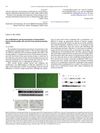
September 2010 in “Journal of Dermatological Science” Researchers made a cell line that grows quickly and can help with hair growth research.
August 2026 in “Pharmacy Reports” This study found that a nanoemulsion hair spray formula with 25% PEG 400 showed promising physicochemical stability, but further research is needed to assess its colloidal stability and efficacy in hair growth.
 13 citations
,
June 2007 in “Journal of Dermatological Science”
13 citations
,
June 2007 in “Journal of Dermatological Science” This study identified several genes regulated by dihydrotestosterone in an SV40T-transformed human dermal papilla cell line, which may play a role in androgen-mediated hair growth regulation.
This study demonstrated that Reverse Protein Engineering can decrease the size of Firefly Luciferase from 550 to less than 80 amino acids, but further research is needed to ensure these smaller peptides retain bioluminescent activity.
 34 citations
,
February 2016 in “Fertility and Sterility”
34 citations
,
February 2016 in “Fertility and Sterility” This study suggests that higher PDCD4 expression may play a significant role in polycystic ovary syndrome pathogenesis through its association with obesity, insulin resistance, lipid metabolism disorders, and increased granulosa cell apoptosis.
 218 citations
,
October 2013 in “Proceedings of the National Academy of Sciences of the United States of America”
218 citations
,
October 2013 in “Proceedings of the National Academy of Sciences of the United States of America” This study found that removing PPARγ specifically from mouse adipose tissue led to severe fat loss, insulin resistance, diabetes, and associated metabolic abnormalities.
 5 citations
,
January 2021 in “iScience”
5 citations
,
January 2021 in “iScience” Using a combination of specific cell cycle regulators is better for safely keeping hair root cells alive indefinitely compared to cancer-related methods.
 January 2026 in “Military Medicine”
 This article discusses how lipopolysaccharide (LPS) from gram-negative bacteria activates platelets and affects vascular responses, emphasizing the role of reactive oxygen species (ROS) in these processes, without reporting new experimental findings.
10 citations
,
June 2021 in “Journal of Investigative Dermatology” GNPTAB gene is crucial for normal hair color in humans and mice.
 52 citations
,
October 2010 in “Antiviral Therapy”
52 citations
,
October 2010 in “Antiviral Therapy” This review discusses recent advances in monophosphate prodrug strategies for HCV drug discovery, aiming to enhance oral absorption and stability, and reports no new clinical results.
 20 citations
,
March 2013 in “Journal of Lipid Research”
20 citations
,
March 2013 in “Journal of Lipid Research” This study examined the structural and biochemical mechanisms of human lipocalin prostaglandin D synthase, detailing substrate and product binding processes at the catalytic site and suggesting potential for drug delivery targeting hydrophobic molecules.
19 citations
,
December 1990 in “Journal of Histochemistry & Cytochemistry” This study found that cultured human foreskin cells and a human keratinocyte cell line continue to express specific cytochrome P450 isoenzymes, unlike keratinocytes derived from hair follicles.
 June 2024 in “Journal of Clinical Oncology”
 In this retrospective study, combining TACE with Donafenib showed promising results as a first-line treatment for Chinese patients with unresectable hepatocellular carcinoma, yielding a median progression-free survival of 12.8 months and a one-year overall survival rate of 87.5%, along with a favorable safety profile.
 11 citations
,
August 2010 in “Developmental neurobiology”
11 citations
,
August 2010 in “Developmental neurobiology” This study suggests that Ptprq in the hair bundles may exist as multiple isoforms that are differentially expressed throughout development and affect the organization of stereocilia in the chick inner ear.
 January 2005 in “Translational and Clinical Pharmacology”
 HDMHG0401-10 improves hair loss in men with androgenetic alopecia and has no major side effects.
11 citations
,
June 2005 in “Veterinary Dermatology” In this study, dermal fibroblasts in the head of beagle dogs metabolized the highest amount of progesterone, primarily into cortisol, while dermal papilla cells mainly produced 5α-pregnane-3,20-dione and cortisol.
 28 citations
,
July 2007 in “Development”
28 citations
,
July 2007 in “Development” In this study, inactivating the TAF4 subunit of transcription factor TFIID in mouse epidermis disrupted gene expression linked to skin and hair function, and increased tumor risk.

This study found that the long non-coding RNA lnc056 promotes the proliferation of hair follicle stem cells by upregulating TRIP6 expression through interaction with the transcription factor HNRNPUL1, suggesting a potential target for hair loss treatment.
7 citations
,
March 2023 in “The Journal of Biochemistry” This study suggests that LONRF1 may play a vital role in linking oxidative damage responses and tissue remodeling during wound healing, with distinct mechanisms in senescent and non-senescent cells.