 October 2023 in “bioRxiv (Cold Spring Harbor Laboratory)”
 This study found that neonatal Regulatory T cells are crucial for maintaining PPARγ signaling in hair follicles, which supports melanocyte stem cell function and skin pigmentation during early postnatal development.

This chapter reviews the presence and roles of stem cells in various body systems, focusing on their lifelong function in animals and humans, and reports no new experimental findings.
 August 2016 in “PolyPublie (École Polytechnique de Montréal)”
 This study observed early cardiac effects in young minipigs following high-dose doxorubicin chemotherapy, with a decrease in heart function and changes in cardiac MRI measurements compared to controls.
 1308 citations
,
March 1998 in “Journal of bone and mineral research”
1308 citations
,
March 1998 in “Journal of bone and mineral research” This review discusses the molecular role of the vitamin D receptor in regulating various biological actions such as bone mineralization and reports no new clinical results, highlighting the complexity of vitamin D's function in multiple tissues.
 2 citations
,
September 2018 in “Tissue Engineering Part A”
2 citations
,
September 2018 in “Tissue Engineering Part A” This study found that injecting xeno-free, three-dimensional cell masses from human adipose-derived stem cells improved blood perfusion and preserved limb function in mice without causing tumors or toxicity, suggesting potential for treating severe ischemic diseases.
 December 2025 in “Nature Communications”
 In this study using mouse models, researchers found that elevated IL-17a in aged olfactory epithelium impairs olfactory function, while IL-17a inhibition promotes regeneration and mitigates age-related decline.
In this study assessing post-menopausal Asian women, distinct shifts in Malassezia species prevalence on the skin were linked to increased inflammation and impaired skin barrier function, potentially driving disorders like psoriasis and seborrheic dermatitis.
This source reviews advancements in microneedle-based cosmeceutical delivery, discussing new technologies and highlighting a burgeoning area of research involving microneedling combined with stem cell delivery for anti-aging, without finding measurable changes in skin barrier function or appearance during the study period.
 1 citations
,
January 2024 in “Theranostics”
1 citations
,
January 2024 in “Theranostics” This source reviews the role of exosomes in regenerative medicine, highlighting their ability to mediate cell communication and transport biomolecules to enhance or impair biological functions, with potential applications in tissue repair and regeneration.
 November 2023 in “bioRxiv (Cold Spring Harbor Laboratory)”
 This study found that disrupted cholesterol homeostasis impairs hair regrowth in individuals with primary cicatricial alopecia by damaging hair follicle stem cells, highlighting the importance of cholesterol in maintaining stem cell function and hair follicle integrity.
 October 2023 in “bioRxiv (Cold Spring Harbor Laboratory)”
 This study constructed a comprehensive atlas of prenatal human skin, revealing that innate immune cells, such as macrophages, play a crucial role in skin morphogenesis by interacting with non-immune cells, influencing hair follicle formation and angiogenesis beyond their traditional immune functions.
7 citations
,
August 2024 in “Journal of Functional Biomaterials” This review concludes that platelet-rich plasma injections significantly improve knee joint function compared to alternative treatments in managing knee osteoarthritis.
52 citations
,
September 2022 in “Viruses” This review discusses the functions of SARS-CoV-2 non-structural proteins in facilitating immune evasion and highlights possible therapeutic strategies, reporting no new clinical results.
May 2020 in “Authorea (Authorea)” This review discusses the diverse functions and therapeutic potential of ectopic olfactory receptors throughout the body, emphasizing their roles in various cellular processes and potential in cancer detection and therapy, but reports no new clinical results.
353 citations
,
November 2014 in “Molecular immunology” This review discusses the immune functions of porcine skin and proposes a classification of dendritic cell subsets based on similarities to human skin, but it reports no new clinical results.
 83 citations
,
June 2018 in “Frontiers in immunology”
83 citations
,
June 2018 in “Frontiers in immunology” This review discusses the roles of αβ and γδ T cells in skin health and disease and reports no new clinical results; the authors highlight potential therapeutic developments.
8 citations
,
July 2025 in “Gels” This review discusses how functionalized hydrogels can modulate the microbiome to aid tissue regeneration and infection control, highlighting their potential to deliver therapeutic agents effectively and support beneficial immune responses.
 105 citations
,
August 2010 in “Pharmacology & therapeutics”
105 citations
,
August 2010 in “Pharmacology & therapeutics” This article explores the potential of formyl-peptide receptor 2 agonists as innovative anti-inflammatory drugs, highlighting their ability to mimic the body's natural inflammation response, but it presents no new clinical findings.
 47 citations
,
December 2019 in “Frontiers in immunology”
47 citations
,
December 2019 in “Frontiers in immunology” This study identified a novel G207E STING mutation associated with severe inflammatory symptoms and suggested that common polymorphisms in TMEM173 and IFIH1 may modify the phenotype in affected individuals.
 November 2022 in “Arab Gulf Journal of Scientific Research”
 This review discusses the potential clinical benefits and functional properties of taurine as a conditionally essential amino acid, noting its presence in energy drinks, but reports no new experimental results.
 21 citations
,
October 2009 in “Biochemical Engineering Journal”
21 citations
,
October 2009 in “Biochemical Engineering Journal” This review discusses various approaches to treating alopecia, including drug therapy and hair transplantation, but reports no new research findings; the authors highlight the need for novel techniques like cell culturing.
83 citations
,
May 2022 in “Journal of Advanced Research” This study suggests that enhancing glycolysis in MSCs may improve their immune functions and therapeutic potential, although more evidence is needed to understand the direct metabolic mechanisms involved.
 18 citations
,
October 2021 in “Frontiers in Physiology”
18 citations
,
October 2021 in “Frontiers in Physiology” This review summarizes recent research on the molecular properties and functions of L-PGDS and PGD2, but reports no new findings, highlighting their pathophysiological roles and guiding future studies.
 8 citations
,
July 2022 in “International Journal of Molecular Sciences”
8 citations
,
July 2022 in “International Journal of Molecular Sciences” This review reports no new results but highlights the secretory function of keratinocytes, focusing on how various secretions, notably growth factors, impact stem cell differentiation into keratinocytes.
3 citations
,
September 2024 in “The FASEB Journal” This review discusses the roles of dermal white adipose tissue in skin functions and pathology, underscoring its antibacterial activity and potential anti-fibrotic role, but reports no new experimental results.
 1 citations
,
April 2026 in “Cancer Nanotechnology”
1 citations
,
April 2026 in “Cancer Nanotechnology” This review examines nanozymes as promising tools for cancer diagnosis and therapy due to their enzyme-mimicking catalytic properties and highlights their challenges, including biosafety and clinical translation, alongside potential improvements through biomimetic designs, particularly utilizing exosome-based strategies for targeted delivery to tumors.
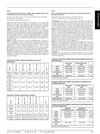 October 2013 in “Journal of the American College of Cardiology”
 This review discusses the potential role of autonomic dysfunction and sympathetic overactivity in hypertension development and reports no new results; renal denervation therapies have gained popularity for resistant cases.
 44 citations
,
March 2015 in “PLOS ONE”
44 citations
,
March 2015 in “PLOS ONE” This study found that FGF-9 treatment in diabetic mice improved heart function after myocardial infarction by decreasing monocyte infiltration and promoting anti-inflammatory macrophage differentiation.
 9 citations
,
July 2021 in “Essays in Biochemistry”
9 citations
,
July 2021 in “Essays in Biochemistry” This review discusses the roles of steroid hormone receptors in lung function related to COVID-19 and outlines ongoing clinical trials of steroid receptor ligands, but reports no new results.
2 citations
,
May 2025 in “Frontiers in Immunology” This study explores the regulatory effects of ursolic acid on macrophage function and suggests potential for developing new anti-inflammatory and immunomodulatory drugs, though further research is needed for clinical applications.