This case report details the occurrence of paroxysmal nocturnal haemoglobinuria in a 19-year-old woman with systemic lupus erythematosus to raise clinician awareness of this rare association.
 2 citations
,
May 2023 in “Photobiomodulation, photomedicine, and laser surgery”
2 citations
,
May 2023 in “Photobiomodulation, photomedicine, and laser surgery” This editorial reviews how photobiomodulation therapy might effectively treat both hyperpigmentation and depigmentation skin disorders, but reports no new clinical results.
17 citations
,
May 2021 in “Journal of Cell Science” In this study, the researchers discovered that specific polyamine depletion enhances stemness in hair follicle stem cells through a mechanism independent of mRNA translation.
8 citations
,
January 2025 in “JADA Foundational Science” This review discusses the state-of-the-art in photobiomodulation therapy for oral and dental applications and emphasizes the need for education, training, and addressing logistical issues for its routine use.

This review of existing literature reports that photobiomodulation shows high effectiveness and safety in treating dermatological conditions like acne, psoriasis, and alopecia, though standardized clinical trials are needed to further validate its therapeutic benefits.
 3 citations
,
March 2012 in “Actas Dermo-Sifiliográficas”
3 citations
,
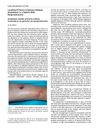
March 2012 in “Actas Dermo-Sifiliográficas” An elderly man with skin amyloidosis and abnormal blood proteins was monitored without finding widespread disease after 18 months.
January 2018 in “Refubium (Universitätsbibliothek der Freien Universität Berlin)” This thesis developed stimuli-responsive nanocarriers, demonstrating their potential for targeted genetic material delivery with reduced toxicity and diagnostic applications, and explored pH-sensitive nanogels for effective skin drug delivery and monitoring.
5 citations
,
July 2023 in “Microorganisms” This study analyzed skin biopsies from human monkeypox virus (hMPXV1) cases and found characteristic pustular stage features, including epidermal necrosis, shadow cell appearance, ballooned keratinocytes, and a dense inflammatory infiltrate, expanding histological knowledge crucial for understanding this disease and related Orthopoxvirus infections.
 September 2023 in “bioRxiv (Cold Spring Harbor Laboratory)”
 In this study, FOL-026, a peptide based on osteopontin, was shown to promote angiogenesis and stimulate vascular cell proliferation and migration through neuropilin-1, similar to VEGF, suggesting potential therapeutic applications in vascular repair and angiogenesis-related conditions.
December 2025 in “International Journal of Pharmaceutics” PLGA-based microneedles show promise for painless, long-term drug delivery but need design and safety improvements.
February 2023 in “Default Digital Object Group” This study demonstrated that a single multimode fiber can be used for single-shot wide-field reflectance imaging, achieving high correlation with the ground truth and enabling real-time microendoscopy at up to 180 frames per second.
June 2023 in “Clinical Cosmetic and Investigational Dermatology” This report describes a 60-year-old female with pretibial pruritic papular dermatitis who showed significant improvement of skin lesions after one month of treatment with oral pentoxifylline. The authors highlight the unique clinical and histological features of PPPD and propose pentoxifylline as a potential therapy.
 June 2024 in “Archives of dermatological research”
 In this self-controlled comparative study of 16 women with Female Pattern Hair Loss, MMP® with Minoxidil showed a better response in the parietal-vertex regions in less advanced cases compared to standard Minoxidil treatment, though overall effectiveness was similar.
 13 citations
,
September 2024 in “Frontiers in Pharmacology”
13 citations
,
September 2024 in “Frontiers in Pharmacology” This review highlighted the pharmacological potential of Mor, noting its protective effects on the kidneys, liver, bones, nervous system, heart, digestive system, skin, and lungs, as well as its anti-obesity and anti-inflammatory properties, revealing areas for future research.
 25 citations
,
June 2018 in “Clinical and Experimental Dermatology”
25 citations
,
June 2018 in “Clinical and Experimental Dermatology” This study found that combining fractional radiofrequency microneedling with 5% topical minoxidil improved hair count and thickness more than minoxidil alone in Chinese men with male pattern hair loss.
 May 2024 in “The journal of investigative dermatology/Journal of investigative dermatology”
 In this study, it was observed that topical application of N,N-Dimethylglycine Sodium Salt significantly increased skin microcirculation and blood flow in human subjects, suggesting potential benefits for skin health and conditions like dermatitis.
2 citations
,
December 2024 in “Journal of Photochemistry and Photobiology B Biology” This study suggests that pulsed wave photobiomodulation could be a promising treatment for androgenetic alopecia by enhancing dermal papilla cell function through specific light parameters, particularly frequency.
 12 citations
,
September 2018 in “International Journal of Cosmetic Science”
12 citations
,
September 2018 in “International Journal of Cosmetic Science” This study demonstrated that the biomimetic peptide PTP20 may help preserve hair pigmentation and reduce greying by enhancing melanocyte function and increasing melanin production in human hair follicles.
14 citations
,
March 2019 in “European journal of pharmaceutics and biopharmaceutics” This study observed that proretinal nanoparticles delivered significantly higher concentrations of retinal to the stratum corneum and hair follicles compared to non-particulate forms, potentially improving topical retinoid therapy.
 1 citations
,
October 2025 in “Nano Research”
1 citations
,
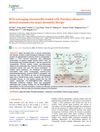
October 2025 in “Nano Research” In this study, researchers developed a dissolvable microneedle patch combining HA-TEMPO and Portulaca oleracea L.-derived nanoparticles, which effectively reduced oxidative stress and inflammation in an atopic dermatitis model while restoring immune balance, suggesting a promising treatment strategy.

In this study, botulinum toxin type A injections reduced the severity of treatment-resistant scalp psoriasis in more patients compared to placebo over a 12-week period.
 July 2023 in “International journal of dermatology, venereology and leprosy sciences”
 This review discusses micro needling as a therapeutic option for various dermatological conditions, such as scars and pigmentation, and reports no new clinical results; the authors note potential side effects and contraindications.
60 citations
,
August 2005 in “Endocrinology” This study suggests that αMSH may play a regulatory role in human dermal papilla cells, potentially influencing immune and inflammatory responses in hair follicles, which could contribute to inflammatory alopecia.
33 citations
,
February 2021 in “Journal of Medicinal Chemistry” This study found that novel MPC inhibitor analogues with specific chemical modifications promoted significant hair growth in shaved mice when applied topically.
1 citations
,
October 2025 in “Micromachines” This review highlights the potential of integrating point-of-care testing with allele-specific amplification techniques like AS-PCR, AS-LAMP, and AS-RPA to improve the efficiency, accuracy, and affordability of genotyping single nucleotide polymorphisms associated with human diseases.
35 citations
,
January 2022 in “Frontiers in Neurology” This review utilizes clinical vignettes to detail various pain syndromes associated with multiple sclerosis, including their pathophysiology and management strategies, highlighting conditions like central neuropathic pain, Lhermitte's phenomenon, and trigeminal neuralgia as they relate to different lesion types.
 14 citations
,
October 1977 in “The Lancet”
14 citations
,
October 1977 in “The Lancet” 
This study introduced fibronectin nanogel microneedles (FNG MNs) that demonstrated improved tissue penetration and transdermal delivery, restoring skin homeostasis in a photoaged mouse model and enhancing collagen deposition and angiogenesis in a diabetic wound rat model.
 1 citations
,
April 2023 in “Journal of Animal Science and Biotechnology”
1 citations
,
April 2023 in “Journal of Animal Science and Biotechnology” This study found that treating cashmere goat kids with melatonin significantly increased secondary hair follicle density, improving cashmere quality and yield, likely through mechanisms involving the MAPK signaling pathway.
January 2010 in “프로그램북(구 초록집)”