November 2005 in “CRC Press eBooks” This article reviews the development and challenges of skin penetration enhancers, highlighting their limitations in compatibility and safety, and reports no new clinical findings.

This review examines the potential of Parquetina nigrescens for managing Polyendocrine Metabolic Ovarian Syndrome, emphasizing its pharmacological activities and highlighting its promise as an affordable complementary therapy.
 128 citations
,
July 2009 in “International Journal of Pharmaceutics”
128 citations
,
July 2009 in “International Journal of Pharmaceutics” This study found that penetration enhancer-containing vesicles significantly improved minoxidil delivery to the skin compared to traditional liposomes and penetration enhancer-containing ethanolic solutions, with deformability linked to enhanced deposition.
 1 citations
,
October 2025 in “Nano Research”
1 citations
,
October 2025 in “Nano Research” In this study, researchers developed a dissolvable microneedle patch combining HA-TEMPO and Portulaca oleracea L.-derived nanoparticles, which effectively reduced oxidative stress and inflammation in an atopic dermatitis model while restoring immune balance, suggesting a promising treatment strategy.
2 citations
,
October 2025 in “Antimicrobial Agents and Chemotherapy” This study found that cepharanthine may be a promising treatment for enterovirus infections, as it offered full protection to mice against lethal EV71 challenges and reduced viral titers and pathology.
6 citations
,
May 2023 in “Molecules” In this study, dry powder inhalers containing Cepharanthine were administered to rats with acute lung injury, significantly reducing pulmonary edema, hemorrhage, and inflammatory markers, suggesting its potential as an effective anti-inflammatory treatment when inhaled directly into the lungs.
 1 citations
,
January 2023 in “bioRxiv (Cold Spring Harbor Laboratory)”
1 citations
,
January 2023 in “bioRxiv (Cold Spring Harbor Laboratory)” In this study, 60 mg/day of Cepharanthine significantly reduced the time to a negative COVID-19 test among de novo infected patients with good compliance, though 120 mg/day showed no such effect.
 April 2016 in “Journal of Investigative Dermatology”
 This study found that the peptide derivative beta-Ala-Pro-Dab-NHbenzyl may reduce wrinkles and sebum production in human skin by inhibiting dipeptidyl peptidase 4, suggesting potential for acne and skin inflammation treatment.
May 2025 in “International Journal of Trichology” In this study, Pilopeptan® Intensive, a nutritional supplement containing hydrolyzed collagen, Group B vitamins, and zinc, was found to significantly improve hair parameters in telogen effluvium patients, with sustained benefits observed posttreatment, although mild side effects were reported by some participants.
September 2023 in “Journal of the American Academy of Dermatology” In this study, a cosmetic product with nano encapsulated cysteamine plus sunscreen significantly improved melasma symptoms and quality of life in adult women over 84 days, compared to sunscreen alone, without any medically relevant intolerance.
 12 citations
,
February 2010 in “Tetrahedron Letters”
12 citations
,
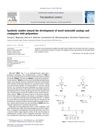
February 2010 in “Tetrahedron Letters” This article describes the synthesis of novel polyamine-modified minoxidil analogs and conjugates to potentially enhance minoxidil's biological activity, selectivity, and water solubility, but reports no new biological results.
 May 2026 in “International Journal of Molecular Sciences”
 In this study, a new formulation of human placental extract showed antioxidant and neurite outgrowth activities, significantly reduced hair graying in mice, and alleviated neuropathy symptoms, suggesting potential therapeutic benefits.
20 citations
,
February 2017 in “European journal of pharmaceutical sciences” This study found that the cocrystal of mycophenolic acid with isonicotinamide significantly improved solubility and dissolution rate, while two other cocrystals showed decreased performance in these areas.
 January 2019 in “Research & Reviews: Journal of Pharmaceutics and Nanotechnology”
 This review discusses polycystic ovary syndrome's metabolic and reproductive impacts, highlighting its insulin resistance and related complications, but reports no new research findings, underscoring the need for lifestyle modifications.
3 citations
,
July 2015 in “International journal of pharmacology” In this study, Natural Plant Extracts (NPE) promoted hair growth in mice by stimulating anagen growth and upregulating relevant gene expression, compared to controls with saline.
 May 2026 in “Scientific and Technical Bulletin оf State Scientific Research Control Institute of Veterinary Medical Products and Fodder Additives аnd Institute of Animal Biology”
 The researchers reported that zinc carbonate nanoparticles stabilized with polyvinylpyrrolidone did not show local irritant or skin-resorptive effects in preclinical tests on rabbits and rats.
January 2025 in “Regenerative Biomaterials” In this study, a cerium-polypeptide hydrogel was found to effectively treat MRSA-infected wounds by promoting faster wound repair and reducing inflammation compared to a standard hydrogel.
22 citations
,
February 2018 in “International Journal of Pharmacy and Pharmaceutical Sciences” This review compiles existing research on Peperomia pellucida's traditional medicinal uses and pharmacological properties but reports no new findings, suggesting its potential for drug development.
 January 2023 in “Research Square (Research Square)”
 In this study, CoQ10 and selenium nanoparticles showed potential to alleviate hyperlipidemia and simvastatin-induced side effects in rats, but a triple combination with simvastatin caused intense liver and muscle damage.
In a study on mice, the addition of 100 µM zinc to green papaya extract significantly improved wound healing and hair regrowth compared to other treatments, without causing inflammation.
 March 2005 in “Inpharma Weekly”
 China approved Sinovac's flu vaccine, Japan approved RiUP for female hair loss, and Nippon Kayaku's three cancer drugs.
3 citations
,
June 2023 in “Molecules/Molecules online/Molecules annual” The researchers reviewed cepharanthine, a long-used bisbenzylisoquinoline alkaloid, for its antiviral properties, including significant inhibition of SARS-CoV-2. They discussed cepharanthine's other pharmacological actions, highlighted plasma membrane fluidity as a key antiviral mechanism, and examined its safety, bioavailability, and potential for new clinical applications.
December 2025 in “International Journal of Molecular Sciences” This study found that an aqueous extract of Bacopa procumbens improved motor function and preserved neuronal structure in a mouse model of Parkinson's disease, suggesting its neuroprotective potential.
 12 citations
,
August 2021 in “International Journal of Biological Macromolecules”
12 citations
,
August 2021 in “International Journal of Biological Macromolecules” This study observed that Poria cocos polysaccharides and finasteride both reduced inflammation in chronic nonbacterial prostatitis in rats, but only Poria cocos polysaccharides reversed related changes in the gut microbiota.
 3 citations
,
July 2018 in “Biomedicine & pharmacotherapy”
3 citations
,
July 2018 in “Biomedicine & pharmacotherapy” This study suggests that paeoniflorin's protective effects on brain astrocytes may be mediated by TSPO and neurosteroids biosynthesis.
 6 citations
,
September 2024 in “BMC Pulmonary Medicine”
6 citations
,
September 2024 in “BMC Pulmonary Medicine” This study demonstrated that CEP may effectively treat pulmonary fibrosis by inhibiting fibroblast activation through regulating macrophage M2 polarization and decreasing fibrosis-associated factors, suggesting a new avenue for future research in this area.
This study found that peptides from Lablab purpureus, particularly fraction 2, demonstrated potential anticancer effects by exhibiting significant antioxidant and apoptotic activities, selectively inhibiting cancer cells with minimal impact on healthy cells.

This review examines cepharanthine's antiviral potential against COVID-19 and finds no clinical results yet; it highlights cepharanthine as a potent inhibitor of coronavirus in preclinical models.
223 citations
,
January 2000 in “BioFactors” This study reports that bioactive peptides derived from food proteins may lower serum cholesterol and exhibit antihypertensive and immunostimulating effects, suggesting potential in preventing lifestyle-related diseases.
 30 citations
,
December 2014 in “Toxicological Research”
30 citations
,
December 2014 in “Toxicological Research” This study found that 3% peppermint oil significantly enhanced hair growth in C57BL/6 mice, showing increased dermal thickness, follicle number, and follicle depth compared to other treatments.