16 citations
,
September 2022 in “International Journal of Molecular Sciences” This study reported that Juniperus sabina needle extract showed significant anti-butyrylcholinesterase activity, suggesting potential medicinal value due to high podophyllotoxin levels.
October 2023 in “Applied sciences” In this study, Iris germanica L. rhizome-derived exosomes were found to reduce oxidative stress, enhance antioxidant enzyme transcription, and restore cellular function in human epidermal keratinocytes, suggesting potential protective effects against oxidative-stress-induced skin damage.
 2 citations
,
March 2023 in “Experimental neurology”
2 citations
,
March 2023 in “Experimental neurology” In this study, pregnenolone was found to dose-dependently reduce L-DOPA-induced dyskinesias in a rat model of Parkinson's disease, suggesting its potential as a therapeutic target for these dyskinesias.
 February 2026 in “Materials”
 This study evaluated Humulus lupulus (hops) extract in cosmetic formulations and found it to maintain antioxidant and anti-irritant properties, reducing erythema by 10% after three weeks of use, supporting its potential for skin health improvement in plant-based cosmetics.
November 2025 in “ACS Omega” This study found that compounds from *Tectona grandis* leaves showed moderate inhibition of steroid 5α-reductase, a factor in androgenetic alopecia, and exhibited anti-inflammatory properties by inhibiting nitric oxide and pro-inflammatory cytokines IL-1β and IL-6 in vitro, suggesting potential dual-action benefits for AGA management.
 143 citations
,
April 2018 in “Electronic physician”
143 citations
,
April 2018 in “Electronic physician” This article discusses the potential benefits of safflower in traditional Persian medicine for various conditions and highlights the need for comprehensive phytochemical research, without reporting new clinical results.
In this study, Urtica dioica L. infusions were used to replace water in k-carrageenan hydrogels, resulting in stronger networks with reduced syneresis and altered textural properties, and the highest antioxidant potential was achieved with specific infusion conditions.
 52 citations
,
June 2013 in “The Journal of Clinical Endocrinology and Metabolism”
52 citations
,
June 2013 in “The Journal of Clinical Endocrinology and Metabolism” This study defined menstrual phase-specific reference intervals for circulating androgen levels in young women, highlighting that anovulatory females showed higher androgen, LH, and FSH levels compared to ovulatory females.
 19 citations
,
July 2018 in “Medicines”
19 citations
,
July 2018 in “Medicines” This review highlights the pharmaceutical potential of secondary metabolites from Juniperus species, noting promising antitumor, antibacterial, and antiviral activities, but reports no new experimental findings.
 1 citations
,
October 2025 in “Nano Research”
1 citations
,
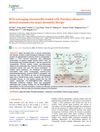
October 2025 in “Nano Research” In this study, researchers developed a dissolvable microneedle patch combining HA-TEMPO and Portulaca oleracea L.-derived nanoparticles, which effectively reduced oxidative stress and inflammation in an atopic dermatitis model while restoring immune balance, suggesting a promising treatment strategy.
In this study, researchers developed a photocurable polyurethane resin for 3D printing, creating high-resolution elastomeric microwell arrays that effectively promote uniform spheroid formation and growth of A549 cells, which could aid in disease modeling and organoid research.
2 citations
,
June 2025 in “International Journal of Molecular Sciences” In this study, Carthamus caeruleus root juice exhibited in vitro anti-inflammatory effects by stabilizing human erythrocyte membranes and inhibiting albumin denaturation, as well as showing potential inhibition of COX-2 through in silico analysis; however, further research is needed to confirm efficacy and mechanisms.

This study examined the use of plant extracts as natural hair dye colourants, highlighting their antioxidant properties and eco-friendly benefits. The authors reported that plant-based dyes effectively deliver vibrant colours and enhance hair health while offering a sustainable alternative to synthetic dyes.

This study found that extracts from plants like onion peel and walnut possess strong antioxidant properties, making them promising eco-friendly alternatives to synthetic hair dyes, delivering vibrant colors and better wash fastness when combined with oxalic acid.
 64 citations
,
June 2020 in “PLoS ONE”
64 citations
,
June 2020 in “PLoS ONE” This study found that red light exposure significantly enhanced the growth, phytochemical content, and therapeutic potential of Eclipta alba callus cultures compared to other multispectral light exposures.
 4 citations
,
November 2003 in “Hair transplant forum international”
4 citations
,
November 2003 in “Hair transplant forum international” This abstract mentions that using magnification during follicular unit graft dissection in hair restoration is known to reduce transection and increase graft yield, but does not report on new findings itself.
July 2025 in “Food Safety and Health” This study used metabolomics to identify distinctive metabolic and phenolic profiles in American ginseng (Panax quinquefolius) from various regions, revealing specific biomarkers that can help differentiate between ginseng from Northeast China, Shandong, and the United States.
 11 citations
,
April 2013 in “Journal of Proteomics”
11 citations
,
April 2013 in “Journal of Proteomics” This study identified proteins that are differentially expressed in balding versus non-balding dermal papilla cells, potentially aiding the understanding and treatment of androgenetic alopecia.
 467 citations
,
October 2014 in “European Journal of Endocrinology”
467 citations
,
October 2014 in “European Journal of Endocrinology” This paper reviews the diagnostic criteria, etiological factors, and treatment approaches for PCOS, highlighting the importance of considering metabolic issues such as insulin resistance and obesity, but reports no new findings.
323 citations
,
April 2006 in “The journal of investigative dermatology/Journal of investigative dermatology” This study found that 40 nm nanoparticles can effectively penetrate into hair follicles and epidermal Langerhans cells in human skin samples, potentially enabling efficient transcutaneous vaccine delivery.
 157 citations
,
May 2021 in “Endocrine Reviews”
157 citations
,
May 2021 in “Endocrine Reviews” This review discusses recent advancements in understanding and managing congenital adrenal hyperplasia, including improvements in screening, diagnostics, and potential genetic and cell-based treatments, but reports no new clinical findings.
 117 citations
,
May 2017 in “Human Reproduction Update”
117 citations
,
May 2017 in “Human Reproduction Update” This review examines the epidemiology, pathophysiology, diagnosis, and management strategies for non-classic congenital hyperplasia due to 21-hydroxylase deficiency, and provides evidence-based recommendations for its treatment and genetic counseling.
 71 citations
,
July 2015 in “The Journal of Clinical Endocrinology and Metabolism”
71 citations
,
July 2015 in “The Journal of Clinical Endocrinology and Metabolism” This study found that women with PCOS have elevated serum androgen levels throughout adulthood, with these levels decreasing and variations increasing as they approach menopause.
 58 citations
,
December 2012 in “Aaps Pharmscitech”
58 citations
,
December 2012 in “Aaps Pharmscitech” This study suggests that finasteride-loaded liquid crystalline nanoparticles could be a viable alternative to oral administration for treating androgenetic alopecia due to their controlled release and skin permeation properties.
 55 citations
,
June 2014 in “Nature Communications”
55 citations
,
June 2014 in “Nature Communications” This study found that overexpression of the transcription factor Tcf3 accelerates keratinocyte migration and skin wound healing in mice, highlighting its potential as a therapeutic target for wound repair.
 53 citations
,
January 2017 in “BioMed research international”
53 citations
,
January 2017 in “BioMed research international” This review discusses the importance of omega-3 fatty acids for human health and explores recent advancements in genetically modifying plants to produce these essential nutrients, but reports no new results.
 51 citations
,
February 2010 in “Analytical and Bioanalytical Chemistry”
51 citations
,
February 2010 in “Analytical and Bioanalytical Chemistry” Researchers developed a method to detect hormone-blocking drugs in wastewater and found them in Beijing's sewage, suggesting they can survive sewage treatment.
 47 citations
,
September 2013 in “Aaps Pharmscitech”
47 citations
,
September 2013 in “Aaps Pharmscitech” This study found that liquid crystalline nanoparticles formulated with Cremophor surfactants significantly enhanced skin permeation of finasteride compared to lower surfactant concentrations.
43 citations
,
July 2005 in “Journal of Chromatography B” This study developed a sensitive method to precisely determine hair lipid composition, demonstrating specific lipid changes from the root to the tip in untreated hair fibers from two women.
42 citations
,
December 2019 in “Steroids” In this study, researchers developed a method to measure steroid hormones in hair and found that body hair typically contains higher levels of cortisone and testosterone compared to scalp hair, but hair pigmentation did not affect hormone concentrations significantly.