 1 citations
,
January 2019 in “Elsevier eBooks”
1 citations
,
January 2019 in “Elsevier eBooks” This chapter reviews the use of electrospun matrices in creating tissue-engineered skin substitutes and reports no new clinical results; it emphasizes the need for a cell-friendly microenvironment.
 1 citations
,
January 2018 in “Stem cell biology and regenerative medicine”
1 citations
,
January 2018 in “Stem cell biology and regenerative medicine” This review discusses the roles of DNA methylation in skin development and regeneration, highlighting its impact on embryonic skin lineage, homeostasis, and potential therapeutic targets, but reports no new clinical results.
 1 citations
,
April 2017 in “Journal of Investigative Dermatology”
1 citations
,
April 2017 in “Journal of Investigative Dermatology” This study suggests that alkaline phosphatase-regulated expression of CCL5 contributes to the trichogenicity of human dermal papilla spheres.
 1 citations
,
October 2013
1 citations
,
October 2013 This chapter discusses stem cell activity in feather and hair follicles, emphasizing how stem cells maintain their population by cycling between quiescence and activation in specialized niches but reports no new results.
 1 citations
,
January 2013 in “Elsevier eBooks”
1 citations
,
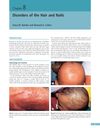
January 2013 in “Elsevier eBooks” The document reviews various hair and nail disorders, their causes, and treatments, emphasizing the need for proper diagnosis and the link between nail changes and systemic diseases.

This study utilized a pigmented human epidermal equivalent model to incorporate melanocytes into the epidermis and found enhanced differentiation potential compared to conventional in vitro systems, reflecting in vivo cellular trajectories and highlighting melanocyte-to-keratinocyte communication pathways.
 July 2026 in “Organoid Research”
 In this review, researchers summarize key factors in constructing skin organoids, including cell source and assembly methods, and emphasize advances such as air-liquid interface culture for improving tissue development, aiming to guide standardized protocols and future clinical applications.
 June 2026 in “Frontiers in Cell and Developmental Biology”
 In this study, researchers used single-cell RNA sequencing to map the hair follicle microenvironment in fine-wool sheep, identifying specific cell types and gene expressions that influence wool fiber diameter, with dermal papilla cells playing a significant role in hair follicle development.
 May 2026 in “Scientific Reports”
 In this study, researchers overexpressed Lrig3 in mouse skin and observed hair loss linked to changes in skin protein profiles and signaling pathways, suggesting a potential role for Lrig3 in maintaining skin homeostasis.
 April 2026 in “Nature Communications”
 This study found that dedifferentiated corneal epithelial cells can revert to a stem-cell-like state, aiding tissue homeostasis and repair, with this plasticity limited to the epithelial lineage and enhanced by niche-derived cytokines.
 April 2026 in “Experimental & Molecular Medicine”
 This study used integrated single-cell chromatin and transcriptomic analyses in developing mouse skin to uncover gene networks involved in skin lineage specification and identified Mef2c+ upper fibroblasts as potential precursors to certain muscle-like structures, with cross-species findings in human skin.
 April 2026 in “Cellular and Molecular Immunology”
 In a conditional knockout mouse model, this study found that loss of the transcription elongation factor SPT6 in basal keratinocytes led to psoriasis-like skin inflammation and delayed wound healing, suggesting SPT6 plays a crucial role in maintaining epidermal immune quiescence by suppressing proinflammatory NF-κB signaling.
 March 2026 in “Nature Communications”
 In this study, researchers conducted a large genome-wide association meta-analysis and found 30 significant genetic loci linked to the risk of dermatophytosis, shedding light on the roles of keratin biology, skin barrier defects, immune dysfunction, and obesity in the disease.
 February 2026 in “Frontiers in Immunology”
 This study found that administering human amniotic mesenchymal stem cells (hAMSCs) in a mouse model of psoriasis improved skin lesions and reduced inflammation-related markers, suggesting potential therapeutic benefit and safety for treating psoriasis, and identified specific gene targets involved in the treatment's mechanism.
 February 2026 in “Frontiers in Medical Technology”
 This review discusses current knowledge of keratinocyte stem cell dynamics, including their regenerative roles and potential applications beyond wound healing, but presents no new clinical findings.
 January 2026 in “Communications Biology”
 This study constructed a single-cell atlas of hair follicle cells from yaks and taurine cattle, revealing that differences in WNT signaling within dermal papilla cells may be key to the yak's adaptation to cold environments on the Qinghai-Tibet Plateau.
 December 2025 in “Italian Journal of Anatomy and Embryology”
 This narrative literature review examined how linking embryonic development with non-genetic skin anomalies can improve diagnostic accuracy, guide prenatal counseling, and enrich dermatology education by revealing specific vulnerabilities in skin morphogenesis and supporting advances in regenerative medicine.
 December 2025 in “Nature Communications”
 In this study using mouse models, researchers found that elevated IL-17a in aged olfactory epithelium impairs olfactory function, while IL-17a inhibition promotes regeneration and mitigates age-related decline.

In this study assessing post-menopausal Asian women, distinct shifts in Malassezia species prevalence on the skin were linked to increased inflammation and impaired skin barrier function, potentially driving disorders like psoriasis and seborrheic dermatitis.
 February 2025 in “Archives animal breeding/Archiv für Tierzucht”
 This study found that certain gene polymorphisms in keratin 27 and ELOVL4 are linked to improved cashmere fineness and production traits in Liaoning cashmere goats.

This study examined the molecular communication in psoriasis cells, highlighting unique immune cell interactions and identifying new features of the hair follicle cell-psoriasis axis. It suggests the potential for targeted therapies at the single-cell level to improve psoriasis treatment.
 November 2023 in “Linköping University medical dissertations”
 This research presents a comprehensive workflow for producing EMA-compliant autologous keratinocyte-based therapies for wound healing and explores miRNA-mediated regulations in human keratinocytes and adipose-derived mesenchymal stem cells.
 October 2023 in “bioRxiv (Cold Spring Harbor Laboratory)”
 This study constructed a comprehensive atlas of prenatal human skin, revealing that innate immune cells, such as macrophages, play a crucial role in skin morphogenesis by interacting with non-immune cells, influencing hair follicle formation and angiogenesis beyond their traditional immune functions.
 August 2023 in “bioRxiv (Cold Spring Harbor Laboratory)”
 This study found that maintaining a low level of Wnt/β-catenin activity is crucial for mammary gland development, as excessive activity inhibits branching and promotes characteristics of hair follicles instead, highlighting its role in skin appendage identity decisions.
 June 2023 in “Livestock studies”
 This review highlights the significance of animal fibers, examining the molecular mechanisms influencing hair follicle development and their impact on fiber quality and quantity, with a focus on studies involving Angora and cashmere goats.
 April 2023 in “bioRxiv (Cold Spring Harbor Laboratory)”
 This study identifies key transcriptomic features and a necessary dermal niche for eccrine gland development, advancing potential regenerative approaches for these vital skin appendages.
 March 2023 in “Clinical, cosmetic and investigational dermatology”
 This study suggests that IL-33 promotes hair follicle changes and T cell infiltration in psoriatic mice and humans, contributing to psoriatic alopecia.
 February 2023 in “Research Square (Research Square)”
 This study reports that a new mouse model with a CARD14 mutation successfully mimics key human PRP symptoms, and anti-IL-17A antibody significantly reduces these symptoms.
 November 2022 in “bioRxiv (Cold Spring Harbor Laboratory)”
 This study found that conditional deletion of Mof in mice resulted in severe defects in skin development, including compromised epidermal differentiation and hair growth, leading to perinatal lethality.

This genetic study identified a potential interval for the Marie Unna hypotrichosis gene but found no mutations in the nearby hr gene, suggesting its involvement remains unconfirmed.