18 citations
,
September 2018 in “The Journal of Agricultural Science” In this study, the presence of certain KAP15-1 gene variants in sheep was associated with differences in wool yield and fiber characteristics.
24 citations
,
February 2011 in “The American journal of pathology” This study found that AIRE, a usually nuclear protein, is expressed in the cytoplasm of human epidermal and follicular keratinocytes and associates with the intermediate filament protein cytokeratin 17, potentially impacting ectodermal abnormalities in APECED syndrome.
78 citations
,
May 2012 in “Journal of Investigative Dermatology” A specific gene mutation causes woolly hair and hair loss.
 3 citations
,
July 2023 in “The journal of investigative dermatology/Journal of investigative dermatology”
3 citations
,
July 2023 in “The journal of investigative dermatology/Journal of investigative dermatology” In this study, researchers found that K17−/− mice suffered more severe hair follicle damage but showed reduced epidermal inflammation after ionizing radiation, with K17's absence leading to aberrant cell cycle progression due to altered p53 genome binding and reduced B-Myb degradation.
10 citations
,
January 2004 in “Journal of Investigative Dermatology” Krt6a-Cre transgenic mice help study gene effects on hair follicle development and tumor suppression.
 July 2024 in “PLANT PHYSIOLOGY”
 In this study on Arabidopsis, the researchers identified CIPK13 and CIPK18 as crucial genes for root hair growth, finding that deficiencies in these genes resulted in shorter root hairs and reduced growth rates due to altered calcium oscillations.
February 2024 in “Biomedicines” This study found that NKB placental mRNA expression was higher in women with PCOS, particularly in pregnancies with female offspring, suggesting its involvement in PCOS-related placental dysfunction.
2 citations
,
August 2022 in “Animals” In this study, a specific genetic variant of KRTAP6-2 in Longdong cashmere goats was associated with finer cashmere fiber diameter, suggesting its potential as a molecular marker for breeding improvements.
 June 2018 in “The Journal of Sexual Medicine”
 In this study, finasteride was found to significantly reduce DHT levels and affect spermatogenic markers in rats, while DA-9401 co-treatment indicated potential ameliorative effects.
15 citations
,
January 1993 in “DNA sequence” This study sequenced a related gene to KRT2.9 called KRT2.13, which encodes a type II keratin protein not expressed in the hair follicle, and found significant sequence homology suggesting possible gene conversion or conservation of functional sequences.
15 citations
,
September 2002 in “Journal of Biological Chemistry” This study observed that transgenic mice expressing keratin K10 under bovine K6beta control developed severe oral abnormalities, suggesting keratin composition changes can affect the physiology of epithelial cells, especially in the oral mucosa.
September 2022 in “European Journal of Dermatology” This study identified a novel pathogenic splice-site variant of the LAMB3 gene in patients with junctional epidermolysis bullosa, highlighting the importance of gene sequencing for diagnosis.
24 citations
,
October 2019 in “Genes” In this study, the identification of a novel KAP gene in sheep, named KRTAP36-1, was associated with increased prickle factor in wool, suggesting its potential as a genetic marker for breeding purposes.
January 2013 in “Heilongjiang xumu shouyi” This study successfully cloned the KAP6.1 gene from Xinjiang fine-wool sheep and found its genetic sequence has high homology with sheep and goat sequences, indicating close genetic relationships.
 2 citations
,
November 2019 in “Cancer reports”
2 citations
,
November 2019 in “Cancer reports” This study concluded that the Wnt signaling pathway does not significantly influence human keratoacanthoma development, but the overexpression of Sox9 suggests alternate signaling involvement.
 June 2024 in “British Journal of Dermatology”
 This article presents a family case study of dermatopathia pigmentosa reticularis linked to a specific KRT14 gene variant, detailing symptoms and stressing the importance of molecular diagnosis for management.
May 2024 in “The Journal of Immunology” In a mouse model of alopecia areata, this study found that IL-27 overexpression using an adeno-associated virus protected against disease development, potentially by promoting immunosuppressive T cells and reducing CD8 T cell infiltration into hair follicles.
January 2012 in “Zhongguo nongye Kexue” This study concluded that transgenic somatic cell nuclear transfer technology can produce cashmere goat blastocysts carrying the K2.9 gene using specific fibroblast cells and activation methods.
11 citations
,
May 2013 in “Journal of Investigative Dermatology” KRTAP10 proteins help form the hair shaft's tough outer layer by interacting with specific hair keratins.
 April 2026 in “Amino Acids”
 This study reviews prior research using transgenic K6/ODC mice and demonstrates that elevated polyamines in epithelial cells contribute significantly to skin tumor development and progression by stimulating proliferation, altering cell signaling and chromatin remodeling, and affecting immune functionality, amongst other mechanisms.
December 2025 in “The Journal of Nutritional Biochemistry” This study found that kaempferol may stimulate hair growth in androgenetic alopecia by enhancing dermal papilla cell function and reducing dihydrotestosterone-induced damage, showing comparable efficacy to finasteride in a mouse model.
38 citations
,
February 1988 in “Molecular and Cellular Biology” This study found that among the two highly homologous K16 genes on chromosome 17, only one produced a functional protein due to stronger promoter activity.
1 citations
,
July 2024 in “Journal of Investigative Dermatology” TAK-279 effectively reduces psoriasis symptoms and is safe.
This study identified a new gene in sheep, KRTAP36-2, discovering variants associated with wool yield. Variations in this gene were linked to the efficiency of fleece conversion from greasy to clean, which may enhance wool production.
48 citations
,
November 2002 in “Journal of biological chemistry/The Journal of biological chemistry” In this study, researchers found that size polymorphisms in certain hKAP1 genes are linked to the hKAP1.1B and hKAP1.3 genes, arising from intragenic deletions and duplications in Japanese and Caucasian populations.
1 citations
,
April 2025 in “Animals” In this study, nucleotide sequence variation in the KRTAP13-3 gene was associated with changes in heterotypic hair fibre diameter variation in Chinese Tan sheep.
This paper offers detailed tables of genotypic and phenotypic data on horses, including markers, variants, and haplotypes, but reports no new research results.
 1 citations
,
October 2012 in “The Journal of Dermatology”
1 citations
,
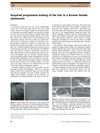
October 2012 in “The Journal of Dermatology” This letter to the editor describes a case of acquired progressive kinking of the hair in a Korean female adolescent, but no new research findings are reported.
January 2007 in “Journal of Inner Mongolia University” This study achieved successful cloning of the ovine keratin associated protein 6-1 gene, which may facilitate future research on transgenic animals and hair follicle gene regulation.
 April 2017 in “Journal of Investigative Dermatology”
 This study suggests that mutation-targeted siRNA therapy could potentially treat keratitis-ichthyosis-deafness syndrome by selectively reducing harmful GJB2 mutant gene expression in patient-derived keratinocytes.