 April 2021 in “Journal of Investigative Dermatology”
 This study suggests that edelweiss extract may promote hair growth and reduce shedding in ex vivo experiments by affecting hair follicle anagen phase duration and keratinocyte proliferation.
 April 2020 in “Research Square (Research Square)”
 This study found that exosomes derived from human bone marrow mesenchymal stem cells significantly promote cutaneous wound healing in rats by modulating the TGF-β/Smad signaling pathway.

This study found that ocu-miR-205 promotes the apoptosis of dermal papilla cells and the transformation of hair follicles from growth to regression and resting phases in Rex rabbits.
This review discusses advancements in regenerative medicine for hair loss treatments, highlighting stem cell techniques for rejuvenating or creating hair follicles, but provides no new clinical results.
 December 2015 in “University of Birmingham Institutional Research Archive (University of Birmingham)”
 This study showed that regulation of adipose androgen generation via AKR1C3 may contribute to a cycle of hyperinsulinaemia and lipid accumulation in women with PCOS.
 April 2010 in “The Journal of Urology”
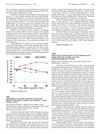
 Human prostate cells produce more WISP1/CCN4 when there's not enough oxygen.
 18 citations
,
February 2022 in “Cell Death Discovery”
18 citations
,
February 2022 in “Cell Death Discovery” In this study, researchers found that hair follicle-derived mesenchymal stem cells, modified to overexpress extracellular matrix protein 1, significantly improved liver function and reduced liver damage in cirrhotic mice by inhibiting hepatic stellate cell activation and TGF-β/Smad signaling.
September 2026 in “Zenodo (CERN European Organization for Nuclear Research)” This study introduces the MHS Hair Restoration Protocol, a systems-biology model targeting hair follicle health through the gut-microbiome-endocannabinoidome axis and innovative topical treatments, emphasizing a holistic approach to pattern hair loss.
1 citations
,
November 2025 in “Stem Cell Research & Therapy” This study developed immortalized human hair follicle-derived mesenchymal-like stromal cells (iHF-MSCs) as a consistent source of therapeutic secretome, reporting their superior immunomodulatory and regenerative performance, potentially advancing cell-free therapies for inflammation and tissue repair.
September 2026 in “Zenodo (CERN European Organization for Nuclear Research)” This research introduces the MHS Hair Restoration Protocol, which is a comprehensive approach aimed at restoring the hair follicle environment by modulating the gut-microbiome-endocannabinoidome axis and incorporating specific dietary and topical strategies, rather than focusing only on short-term hair count improvements.
7 citations
,
February 2012 in “Journal of cutaneous pathology” This case report presents unique histopathological findings in skin lesions of hereditary mucoepithelial dysplasia that have not been previously documented.
7 citations
,
January 2022 in “Biomedicines” In this study, hair follicle-derived mesenchymal stromal cells showed potential for immunomodulation, with equivalent or superior responses compared to those from adipose tissue, suggesting a promising alternative cell source.
21 citations
,
August 2017 in “Journal of veterinary internal medicine” The authors reported that a combination of amino acid and stem cell therapy may have extended survival in a dog with hepatocutaneous syndrome to 32 months post-diagnosis.
1 citations
,
September 2025 in “Viruses” This study of HCPS survivors in Chile found that 61.9% reported incomplete recovery at 3-6 months post-symptom onset, with ECMO users experiencing more motor dysfunction and palpitations, highlighting the need for multidisciplinary care to address persistent symptoms.
2 citations
,
January 2016 in “Experimental Dermatology” This symposium updated participants on the latest advances in understanding and managing hidradenitis suppurativa, emphasizing the need for individualized treatment plans and highlighting recent progress in therapies and epidemiology.
22 citations
,
March 2007 in “European journal of pediatrics” This study found that scanning electron microscopy revealed considerable abnormalities in hair morphology in MPS I, II, IIIA, and IIIB patients, potentially related to heparan sulfate accumulation.
 3 citations
,
May 2018 in “Experimental Dermatology”
3 citations
,
May 2018 in “Experimental Dermatology” In this study, the researchers reported that patient impacts and symptoms of hidradenitis suppurativa, as assessed by HSIA and HSSA measures, are associated with clinical characteristics such as the number of abscesses and inflammatory nodules.
 November 2022 in “The journal of investigative dermatology/Journal of investigative dermatology”
 This study found that skin organoids derived from iPSCs with an HS-associated NCSTN mutation showed defects in hair follicle stem cell differentiation and increased expression of inflammatory proteins related to hidradenitis suppurativa.
 7 citations
,
October 2020 in “Journal of The American Academy of Dermatology”
7 citations
,
October 2020 in “Journal of The American Academy of Dermatology” This systematic review and meta-analysis found that hidradenitis suppurativa is associated with an increased risk of major adverse cardiac events, including cerebrovascular accidents and myocardial infarction, although study heterogeneity affects the magnitude of risk.
13 citations
,
October 2021 in “International Journal of Molecular Sciences” In this study, an immortalized MSC line from human adipose tissue showed potential for applications in regenerative medicine and inflammatory diseases through production of active factors, demonstrated in vitro.
9 citations
,
December 2021 in “Journal of Cellular and Molecular Medicine” In this study, researchers found that human adipose tissue-derived mesenchymal stromal cells exhibit significant phagocytic ability against various particles and pathogens, which might enhance strategies for addressing specific local and systemic infections due to their regenerative properties.
 January 2022 in “Acta dermatovenerologica Alpina, Pannonica et Adriatica (Tiskana izd.)”
 This article presents an overview of uncombable hair syndrome, emphasizing its clinical and molecular characteristics and noting systemic manifestations such as neuropsychiatric, ophthalmic, and cardiopulmonary issues.
May 2023 in “ACS Biomaterials Science & Engineering” This study found that a silk fibroin/sodium alginate scaffold effectively delivers human umbilical mesenchymal stem cells to promote scarless wound healing and hair follicle regeneration in vivo by inducing specific cellular processes and mitigating endoplasmic reticulum stress.
April 2016 in “Journal of the American Academy of Dermatology” A 4-year-old girl had a rare hair disorder affecting only part of her scalp.
 April 2021 in “Journal of Investigative Dermatology”
 This trial found that intradermal injections of the Hair Stimulating Complex were well-tolerated and effectively stimulated hair growth and prevented hair loss in male pattern baldness participants over 18 weeks.
 September 2023 in “Stem cell reviews and reports”
 This study introduces a new method to isolate stem cells from the hair follicle outer root sheath of equine skin, demonstrating that these cells, named eMSCORS, proliferate efficiently and can differentiate similarly to adipose tissue-derived MSCs, offering a promising alternative for equine veterinary applications.
2 citations
,
December 2024 in “International Journal of Molecular Sciences” This study found that mesenchymal stem cells from chronically inflamed human livers maintain their key cellular characteristics, supporting their potential use in developing liver cell therapies.
 7 citations
,
May 2010 in “Journal of Cutaneous Pathology”
7 citations
,
May 2010 in “Journal of Cutaneous Pathology” This study identified a novel locus for hereditary hypotrichosis simplex on chromosome 13q12.12~12.3 in a four-generation Chinese family.
2 citations
,
September 2024 in “Biomedical Research and Therapy” This commentary suggests that mesenchymal stem cells (MSCs) should be redefined as "master signaling cells" due to their primary role in regulating tissue homeostasis and regeneration through signaling functions.
51 citations
,
March 2019 in “Experimental Dermatology” This study suggests that in hidradenitis suppurativa, MMP-induced matrix alterations may contribute to inflammation by releasing active peptides and inflammatory factors in the extracellular matrix.