August 2025 in “Biomolecules” This review explores the role of FGF signaling in hair follicle development and highlights its potential as a new therapeutic target for hair loss, which could surpass existing treatments in terms of efficacy and safety.
7 citations
,
March 2022 in “International Journal of Molecular Sciences” This study found that FGF21 suppresses inflammation induced by C. acnes in both human skin cells and mouse models, suggesting potential use in acne treatment.
July 2024 in “Journal of Investigative Dermatology” This study found that inhibiting the enzyme PDE8A can promote adipocyte differentiation and enhance hair growth in an animal model of androgenetic alopecia, suggesting PDE8A as a potential therapeutic target for restoring dermal adipogenesis and hair cycling.
 1 citations
,
September 2022 in “Evidence-based Complementary and Alternative Medicine”
1 citations
,
September 2022 in “Evidence-based Complementary and Alternative Medicine” In this study, Gardenia florida fruit extract promoted hair growth in vitro and in vivo by enhancing hair growth-promoting gene expression and increasing hair follicle number, size, and depth in mice.
 45 citations
,
July 2009 in “Journal of human genetics”
45 citations
,
July 2009 in “Journal of human genetics” This study found that an SNP in the FGFR2 gene, rs4752566, was significantly associated with hair thickness in Asian populations, suggesting an effect on hair morphology through altered FGFR2 expression levels.
 October 2024 in “Stem Cell Research & Therapy”
 This study found that CGF may be effective in reducing inflammation and improving skin conditions in psoriasis, particularly in patients resistant to other treatments.
15 citations
,
March 2007 in “BioTechniques” This study introduced a new in vivo angiogenesis assay using Gelfoam implanted in ND-GFP transgenic mice to efficiently identify angiogenesis stimulators and inhibitors through GFP visualization.
 July 2023 in “Indian Journal of Animal Health”
 This study found that fibroblast growth factor 5 may enhance Cashmere goat hair growth by altering the expression of specific genes related to keratin and keratin-associated proteins.
 81 citations
,
January 2003 in “The FASEB Journal”
81 citations
,
January 2003 in “The FASEB Journal” This study found that follistatin and activin interactions are important for hair follicle development and cycling in mice, suggesting that they may regulate processes involving BMP-2 and its antagonist.
 September 2025 in “Journal of Cosmetic Dermatology”
 In this study, the use of rb‐bFGF in hair transplantation significantly increased follicle survival, reduced hair loss, improved patient satisfaction, and decreased complications compared to controls, in patients with androgenetic alopecia over a 12-month period.
50 citations
,
September 2012 in “Developmental Biology” This study found that over-expressing Spry4 and Fgf10 modulates feather stem cells to alter feather morphologies in distinct ways, affecting barb branch formation and tissue structure.

In this study, fibroblast growth factors promoted dermal papilla cell proliferation and showed potential for treating androgenic alopecia, with possible advantages over minoxidil in cellular organization and health.
 March 2026 in “bioRxiv (Cold Spring Harbor Laboratory)”
 In this study, researchers developed a new method called Enriched-GF, which enhances growth factor recovery from platelet concentrates through a combination of glass bead activation, freeze-thaw cycling, and calcium stimulation, outperforming conventional methods by providing higher and more consistent yields for regenerative medicine applications.
In this study, FGF5-knockout Dorper sheep generated using CRISPR/Cas9 showed increased fine-wool and active hair-follicle density, suggesting potential therapeutic applications for androgen alopecia.
This study found that fibroblast growth factor 20 (Fgf20) orchestrates the movement and behavior of dermal fibroblasts, directing their formation into dermal condensates during hair follicle development in mice.
29 citations
,
June 2014 in “Experimental Cell Research” This study found that treating mouse epidermal neural crest stem cells with EGF and FGF2 increased their proliferation and enhanced their neuronal differentiation potential.
 15 citations
,
February 2021 in “Scientific Reports”
15 citations
,
February 2021 in “Scientific Reports” This study found that novel RNA aptamers specifically inhibited FGF5-induced cell proliferation, suggesting their potential as candidates for treating FGF5-related diseases or hair disorders.
 November 2025 in “PARIPEX-INDIAN JOURNAL OF RESEARCH”
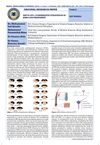
 GFC is more effective than PRP for treating hair loss.
47 citations
,
June 2017 in “The FEBS journal” This study found that CRISPR/Cas9-induced loss-of-function mutations in the FGF5 gene significantly increased wool length and yield in genetically modified Chinese Merino sheep compared to wild-type controls.
20 citations
,
July 2005 in “Experimental dermatology” This study found that the fuzzy mutation in mice is linked to both structural hair defects and accelerated hair follicle cycling, influencing the regulation of hair cycle phases such as catagen and anagen.
65 citations
,
September 2023 in “Cell Reports Medicine” This review examined the common side effects of FGFR inhibitors like erdafitinib, pemigatinib, and futibatinib, and detailed strategies for managing them, highlighting that proactive monitoring and appropriate interventions can effectively mitigate these toxicities.
 7 citations
,
February 2015 in “Journal of comparative pathology”
7 citations
,
February 2015 in “Journal of comparative pathology” This study observed that NSG-hu-BLT mice developed graft-versus-host disease characterized by CD8+ T lymphocyte-related cell death in the skin and liver, which may affect their utility in other research areas.
 July 2025 in “bioRxiv (Cold Spring Harbor Laboratory)”
 This study developed a potent Wnt surrogate with high specificity for the Fzd7 receptor in mice, promoting full hair follicle regeneration and robust hair growth, suggesting potential applications in tissue development and targeted regeneration.
219 citations
,
July 1995 in “PubMed” This study found that recombinant keratinocyte growth factor (rKGF) stimulated hair growth and provided a protective effect against alopecia in murine models, suggesting its role in hair follicle development and regeneration.
 11 citations
,
May 2023 in “Journal of Cutaneous Medicine and Surgery”
11 citations
,
May 2023 in “Journal of Cutaneous Medicine and Surgery” This study found that combining plasma rich in growth factors with conventional treatment significantly improved hair regrowth and reduced symptoms in patients with frontal fibrosing alopecia compared to conventional treatment alone.
EGF and FGF signaling stops hair follicle development in mice.

This study found that injecting growth factor concentrates into the scalp of five patients with androgenic alopecia led to notable improvements in hair density and quality over eight weeks, with patients reporting satisfaction and minimal side effects.
 10 citations
,
November 2017 in “Journal of Investigative Dermatology”
10 citations
,
November 2017 in “Journal of Investigative Dermatology” In this study, researchers identified a novel homozygous variant in the FAM83G gene responsible for autosomal recessively inherited palmoplantar keratoderma with curly hair in a consanguineous Pakistani family, suggesting FAM83G plays a crucial role in skin and hair homeostasis.
28 citations
,
July 1993 in “The journal of investigative dermatology/Journal of investigative dermatology”