33 citations
,
May 2017 in “Journal of Clinical Oncology” This phase I study reported that ETC-159, targeting Wnt signalling, showed tolerable safety profiles at doses that inhibit its pathway, though bone turnover markers increased, warranting early and regular monitoring. No tumor responses were observed, but two patients achieved stable disease for several cycles.
 30 citations
,
November 2018 in “EMBO Reports”
30 citations
,
November 2018 in “EMBO Reports” This study found that the Ovol2-Zeb1 regulatory circuit is crucial for controlling directional migration and proliferation in epithelial cells, facilitating skin regeneration and repair in mice.
 June 2026 in “Cell Regeneration”
 This review highlights the roles of key transcription factors and signaling pathways in regulating olfactory epithelium regeneration, discussing recent advances in single-cell and spatial transcriptomics as well as organoid models to enhance understanding of olfactory regeneration mechanisms.
14 citations
,
November 2018 in “Journal of drug delivery and therapeutics” This article reviewed the preparation, application, and characterization of ethosomes as drug delivery transporters and reported that in a double-blind randomized clinical study, ethosomal acyclovir significantly improved all evaluated parameters in skin delivery, highlighting potential for novel therapies.
August 2015 in “PubMed Central” This study suggests that epithelial-derived Pop-Up Keratinocytes (ePUKs) may be a promising cell source for regenerative medicine due to their specific phenotypic traits and their influence on wound healing.
 December 2017 in “bioRxiv (Cold Spring Harbor Laboratory)”
 This study found that Endoglin is crucial for proper hair follicle cycling and the activation of hair follicle stem cell niches, based on its role in the feedback crosstalk between Wnt/β-catenin and Bmp/Smad signals.
 30 citations
,
June 2014 in “Seminars in Immunology”
30 citations
,
June 2014 in “Seminars in Immunology” This review discusses recent advances in understanding the Eda pathway's role in developmental biology, and highlights ongoing trials and areas for further research, including Eda's potential involvement in cell processes and disease.
November 2025 in “Indian Journal of Dermatology” This study reports a rare cluster of four patients with ectodermal dysplasia, highlighting its typical dental and dermatological manifestations and the necessity of multidisciplinary management.
3 citations
,
January 2004 in “Zhōnghuá yàoxué zázhì” In this study, ethosomes were found to significantly enhance the transdermal penetration and skin accumulation of finasteride compared to liposomes and other control solutions.
April 2018 in “The journal of investigative dermatology/Journal of investigative dermatology” This commentary discusses the crucial role of the alternative splicing factor Esrp1 in maintaining skin barrier function and its association with skin diseases like atopic dermatitis and psoriasis, but reports no new clinical results.
This study identified 19 genetic risk loci and 16 potential causal genes related to PCOS, highlighting the role of immune cell-specific mechanisms in its pathogenesis.
37 citations
,
January 2006 in “Carcinogenesis” In this study, crossing mice overexpressing antizyme with MEK mutants significantly delayed tumor development and reduced tumor frequency, likely by slowing cell growth in skin tumors.
10 citations
,
April 2022 in “Critical reviews in food science and nutrition” This review examines the potential role of odorant receptors in human skin cells responding to flavor compounds and their implications for skin health and disease, without providing new clinical results.
1 citations
,
March 2024 in “Genes & Diseases” EBF1 controls hair type and length.
June 2025 in “Preprints.org” This review examines the complex role of the Ectodysplasin-A pathway in skeletal morphogenesis, emphasizing its interaction with other key signaling pathways, and reports no new experimental findings.
 July 2023 in “Journal of Cosmetic Dermatology”
 This review describes ethosomes as promising nanocarriers for delivering active cosmetic ingredients to the skin, potentially transforming treatments for hair loss, acne, and skin pigmentation.
8 citations
,
July 2022 in “International Journal of Molecular Sciences” This study found that in estrogen receptor-positive breast cancer cells, 17β-estradiol repressed polyamine oxidase transcription by interacting with AP-1 sites on its promoter.
 March 2024 in “BMC cancer”
 This study reports that high expression of proteins ST14 and TMEFF1 in ovarian cancer correlates with higher tumor malignancy and worse prognosis, and reveals an interaction where ST14 regulates TMEFF1 to promote cancer cell proliferation, migration, and invasion.
15 citations
,
April 2011 in “Biological Chemistry” This study found that Cathepsin E plays a crucial role in keratinocyte terminal differentiation, affecting epidermis formation and homeostasis in mice.
28 citations
,
November 2018 in “American Journal of Medical Genetics Part A” This report describes a neurometabolic disorder linked to gain-of-function variants in the ODC1 gene, characterized by developmental delay, ectodermal abnormalities, and notable facial and neuroimaging features.
3 citations
,
April 2010 in “The FASEB Journal” This study found that estrogen, through estrogen receptors, can regulate the expression of the HOXC13 gene involved in hair follicle development, with MLL3 histone methylase playing a collaborative role.
 24 citations
,
November 2018 in “International Journal of Molecular Sciences”
24 citations
,
November 2018 in “International Journal of Molecular Sciences” This review discusses ethosomes as lipid carriers that enhance drug penetration into deep skin layers and underscores the need for advanced research on their pharmaceutical applications, but it reports no clinical outcomes.
5 citations
,
February 2014 in “PloS one” This study reports differential gene expression in the leading edge and inner surface epithelial cells of murine eyelids, suggesting that distinct signaling pathways are active during embryonic eyelid closure.
 8 citations
,
November 1990 in “Archives of Dermatology”
8 citations
,
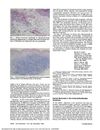
November 1990 in “Archives of Dermatology” This case report details a woman with eosinophilia-myalgia syndrome associated with L-tryptophan ingestion, highlighting skin lesions with abundant dermal mucin.
 12 citations
,
January 2016 in “Journal of Orofacial Orthopedics / Fortschritte der Kieferorthopädie”
12 citations
,
January 2016 in “Journal of Orofacial Orthopedics / Fortschritte der Kieferorthopädie” This study identified a novel mutation in the EDA gene, which may impair protein stabilization and be involved in the development of oligodontia and mild ectodermal dysplasia phenotypes.
5 citations
,
March 2017 in “Molecular biology of the cell” This article summarizes discussions from a minisymposium on organelle contact sites, highlighting new insights into their roles in cellular processes, but reports no novel experimental results.
4 citations
,
January 2019 in “Indian Dermatology Online Journal” This report discusses two cases of porokeratotic eccrine ostial and dermal duct nevus and porokeratotic eccrine and hair follicle nevus, suggesting they may represent a single clinical entity, but reports no therapeutic outcomes.
346 citations
,
April 2020 in “Frontiers in Oncology” This review discusses the roles of key epithelial-mesenchymal transition factors and potential therapeutic opportunities involving cancer metabolic pathways, reporting no new clinical results.
 November 2020 in “bioRxiv (Cold Spring Harbor Laboratory)”
 This study found that the Polycomb Repressive Complex 2, particularly its component Ezh2, is crucial in regulating dermal fibroblast differentiation and epidermal keratinocyte proliferation during murine skin development.
 March 2026 in “Calcified Tissue International”
 This review discusses the complex role of the EDA pathway in vertebrate skeletal development, emphasizing its interaction with other morphogenic pathways to influence skeletal diversity, but reports no new experimental results.