54 citations
,
December 2004 in “PubMed” This study suggests that topical Cyclosporin A formulations, with or without a penetration enhancer, effectively stimulated hair regrowth in a rat model of alopecia areata.
June 2026 in “ACS Applied Materials & Interfaces” In this study, carbon dots derived from dandelion herb demonstrated significant antibacterial and biofilm-disrupting capabilities, promoting wound healing in a mouse model infected with S. aureus, while also showing excellent biocompatibility and the ability to modulate reactive oxygen species.
August 2023 in “Journal of Natural Remedies” This review highlights the bioactive compounds in the brown seaweeds Undaria pinnatifida (wakame) and Saccharina japonica (kombu), detailing their various health benefits based on clinical studies, notably from Japan and elsewhere.
71 citations
,
May 1996 in “Journal of Investigative Dermatology” This study found that overexpression of a mutated ornithine decarboxylase transgene in mice led to complete hair loss, which could be prevented or reversed with an ODC inhibitor.
March 2022 in “Journal of cosmetic dermatology” In this case study, a 6-year-old child with autosomal recessive woolly hair showed significant hair growth and sustained improvement with a 4-year combination treatment of botanical extracts, though the precise mechanisms need further research.
 August 2025 in “Tropical Journal of Natural Product Research”
 This study found that mint leaf and Aloe vera serum together significantly reduced CDK1 expression, which may help prevent chemotherapy-induced alopecia in rats, although only mint serum alone reduced CDC25 expression.
 108 citations
,
March 2011 in “Archives of Dermatology”
108 citations
,
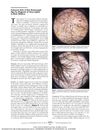
March 2011 in “Archives of Dermatology” Corkscrew hair may be a new sign for quickly diagnosing scalp fungus in black children.
March 2024 in “Veterinary sciences” This study is the first to detail major geriatric diseases in aged Julia Creek dunnarts, particularly highlighting hormonal issues like cystic glandular hyperplasia in females and testicular degeneration in males, suggesting these conditions are linked to aging and potentially hormonal dysregulation.
 72 citations
,
July 2012 in “Journal of Investigative Dermatology”
72 citations
,
July 2012 in “Journal of Investigative Dermatology” This study found that mice with a specific loss of DNA methyltransferase 1 showed uneven epidermal thickness, reduced hair regeneration, and progressive alopecia, emphasizing DNA methylation's role in stem cell homeostasis.
 October 2023 in “Applied materials today”
 In this study, researchers developed a novel TA-encapsulated microneedle applicator that successfully promoted hair growth and reduced inflammation in a C3H/HeJ mouse model of alopecia areata, potentially offering an improved alternative to existing treatments.
 4 citations
,
July 2023 in “Colloids and surfaces. B, Biointerfaces”
4 citations
,
July 2023 in “Colloids and surfaces. B, Biointerfaces” This study explores novel alopecia treatments targeting lactate dehydrogenase pathways and improving drug delivery through technologies like phototherapy and soluble microneedles, though practical application challenges remain, necessitating further research for clinical use.
 October 2024 in “Journal of Plant Growth Regulation”
 Fusarium sp. strain K-23 helps Arabidopsis plants grow better in salty soil by promoting root hair growth.
7 citations
,
September 2024 in “Journal of Microbiology and Biotechnology” This study found that Peperomia pellucida, a plant traditionally consumed in some countries, contains various antioxidants and extends lifespan under oxidative stress in Drosophila, with no observed toxicity in mice, supporting its potential safety and use in foods and pharmaceuticals.
 August 2025 in “Current Botany”
 This study suggests that Acrotrema arnottianum, a herb used in traditional medicine, contains biologically active metabolites like squalene and α-Tocopherol. It showed antibacterial effects against Staphylococcus aureus and antifungal properties against Candida albicans, while demonstrating antioxidant activity.
May 2025 in “Biomedicine & Pharmacotherapy” This study found that HPD is a potent activator of hair follicle regeneration, surpassing the efficacy of conventional minoxidil treatment by modulating Wnt/β-catenin signaling and enhancing follicular proliferation, indicating its potential as a non-invasive hair restoration therapy.
 February 2022 in “Research Journal of Biotechnology”
 This review discusses the taxonomy, traditional uses, and pharmacological activities of the medicinal plant Eclipta alba but reports no new clinical findings.
 December 2023 in “Journal of comparative pathology”
 This case report describes the first known instance of a dilated pore of Winer, a type of follicular cyst, identified in a dog, specifically a 9-year-old neutered Goldendoodle, which was surgically excised after causing pain due to periodic ruptures.

This study found that dermal papilla-like tissues derived from canine adipose stem cells promoted new hair follicle formation and increased vascularization in athymic nude mice.
This study found that Clitocybin A from Clitocybe aurantiaca may promote hair growth in immortalized rat dermal papilla cells by enhancing cell proliferation and activating Wnt/β-catenin signaling and ERK pathways.
13 citations
,
July 2019 in “PLoS ONE” This study found that deleting podoplanin in mouse keratinocytes promoted hair follicle growth during regeneration, suggesting it may regulate hair cycling pathways that could aid in treating hair loss conditions.
 2 citations
,
August 2018 in “Korean Journal of Plant Resources”
2 citations
,
August 2018 in “Korean Journal of Plant Resources” This study found that oregonin, isolated from Alnus japonica, demonstrated strong antioxidant activity and apoptosis modulation in hair follicle cells, suggesting its potential as a natural ingredient for preventing hair loss in cosmetic products.
This study characterized Eclipta alba for use in a capillary product for alopecia, confirming its suitable physico-chemical properties and pharmacological constituents, including wedelolactone for hair growth.
January 1994 in “Toxicological Sciences” This study found that chronic high dosages of 2-(difluoromethyl)-dl-ornithine caused various toxicities in rats and dogs, with some effects potentially minimized at lower dosages.
 May 2023 in “Research Square (Research Square)”
 This study investigated the effects of HDDPiW-jSB solution on chemotherapy-induced alopecia in a rat model and found that the solution improved hair follicle health markers and reduced cell apoptosis, especially when applied twice weekly, while appearing safe for skin application.
25 citations
,
October 1975 in “Journal of Cutaneous Pathology” This study found that in alopecia areata, hair bulbs are blocked in an early growth stage due to impaired metabolic function in the surrounding connective tissue, hindering hair growth.
3 citations
,
September 2023 in “Genes” This study analyzed the molecular evolution and functional divergence of the Dkk gene family, finding accelerated evolution in Aves and Reptilia and identifying functional differences that may impact hair follicle development via Wnt signaling inhibition.
7 citations
,
September 2019 in “Journal of Investigative Dermatology” January 2016 in “Journal of chemical and pharmaceutical research” The study reported that both ethanol and water extracts of pakis munding roots significantly promoted hair growth in male rabbits, showing better results than the marketed hair growth drug minoxidil.
4 citations
,
January 2018 in “Research journal of pharmacy and technology” This study found that Wera leaf extract, particularly its n-hexane fraction, significantly stimulated hair growth, suggesting its potential as an antialopecia treatment.
 25 citations
,
January 2011 in “Pharmacognosy magazine”
25 citations
,
January 2011 in “Pharmacognosy magazine” This study found that Nardostachys jatamansi DC rhizome extracts and specific isolated terpenoids promoted hair growth.