 59 citations
,
October 2020 in “Stem Cell Reviews and Reports”
59 citations
,
October 2020 in “Stem Cell Reviews and Reports” This review discusses potential mechanisms contributing to higher COVID-19 mortality among men, particularly the roles of smoking, genetic factors, and reproductive hormones, without presenting new clinical findings.
 1 citations
,
February 2021 in “Cosmetics”
1 citations
,
February 2021 in “Cosmetics” This study found that the ethyl acetate extract of Fagraea berteroana fruits and its fraction FEAE-F0 promoted cell proliferation and modulated gene expression in hair follicle cells, suggesting potential for hair growth stimulation.
 March 2025 in “Pain Physician”
 This retrospective study found that applying local skin precooling before scalp nerve block significantly reduced injection site pain during PRP mesotherapy for patients with androgenetic alopecia, compared to those who did not receive precooling, thus improving patient comfort and compliance.
 24 citations
,
February 2022 in “Reviews in Endocrine and Metabolic Disorders”
24 citations
,
February 2022 in “Reviews in Endocrine and Metabolic Disorders” This review reports that women with polycystic ovary syndrome are at 28%–50% higher risk of SARS-CoV-2 infection, with increased rates of COVID-19-related hospitalization, morbidity, and mortality.
 December 2025 in “International Journal of Pharmaceutical Sciences Review and Research”
 In this study, a newly developed polyherbal hair oil exhibited promising characteristics, including a beneficial pH and antimicrobial activity against Staphylococcus aureus, with preliminary tests suggesting it supports scalp and hair health without adverse effects.
 7 citations
,
December 2017 in “Anais da Academia Brasileira de Ciências”
7 citations
,
December 2017 in “Anais da Academia Brasileira de Ciências” This study found that 6-Gingerol significantly suppressed hair growth in mice by reducing hair follicle number and length, potentially through increased expression of MMP2 and MMP9.
 5 citations
,
January 2017 in “Dermatologic Surgery”
5 citations
,
January 2017 in “Dermatologic Surgery” This study observed that storing hair follicle micrografts significantly decreased the expression of certain key genes in the dermal papilla, potentially affecting hair follicle cycling during preparation and storage.
 January 2015 in “Durham e-Theses (Durham University)”
 This study found that glucose starvation and hypoxia are physiological triggers of ER stress in in vitro differentiated adipocytes, rather than high concentrations of saturated fatty acids, cholesterol, or proinflammatory cytokines.
 34 citations
,
August 2002 in “British Journal of Dermatology”
34 citations
,
August 2002 in “British Journal of Dermatology” This study observed that two patients treated with interferon α-2b and ribavirin for chronic hepatitis C experienced complete and reversible straightening of their natural curly hair, which recurred with treatment resumption.
 15 citations
,
March 2012 in “International journal of nanomedicine”
15 citations
,
March 2012 in “International journal of nanomedicine” In this study, local injection of nanosized recombinant human erythropoietin at the injury site improved skin regeneration and re-epithelialization in a mouse model of deep second-degree burns through coexpression of specific receptors.
 8 citations
,
February 2022 in “Journal of Clinical Medicine Research”
8 citations
,
February 2022 in “Journal of Clinical Medicine Research” This review discusses the development of the MATH+ treatment protocol for COVID-19 patients, detailing its scientific and clinical rationale, but reports no new experimental findings.
 5 citations
,
July 2020 in “Journal of Cosmetic Dermatology”
5 citations
,
July 2020 in “Journal of Cosmetic Dermatology” This study found that using a vibration anesthetic device during scalp mesotherapy significantly reduced pain in patients with androgenetic alopecia and alopecia areata compared to the non-vibration side.
 133 citations
,
May 2016 in “Cell Host & Microbe”
133 citations
,
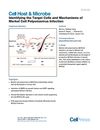
May 2016 in “Cell Host & Microbe” In this study, human dermal fibroblasts were identified as natural host cells that support productive Merkel cell polyomavirus infection, and the MEK antagonist trametinib was introduced as an effective inhibitor to control the virus.
 82 citations
,
June 2020 in “Inflammation Research”
82 citations
,
June 2020 in “Inflammation Research” This review discusses the complex pathophysiological and clinical aspects of COVID-19, including dermatological findings and their association with SARS-CoV-2 infection but reports no new clinical results.
 39 citations
,
January 2015 in “International journal for parasitology/International Journal for Parasitology”
39 citations
,
January 2015 in “International journal for parasitology/International Journal for Parasitology” This study found that Schistosoma mansoni cercariae stimulate epidermal keratinocytes in mice, initiating pro-inflammatory responses and barrier repair mechanisms akin to those in wound healing.
 September 2023 in “JP Journal of Biostatistics”
 This study found that a random forest algorithm most effectively detected COVID-19, with high specificity and accuracy, among 10,862 individuals in an Iranian hospital setting.
 1 citations
,
June 2022 in “Journal of Wrist Surgery”
1 citations
,
June 2022 in “Journal of Wrist Surgery” In this pilot study on treating dorsal wrist ganglion, PRP injection showed limited effectiveness at 1-year follow-up compared to aspiration alone, with most PRP-treated patients experiencing ganglion recurrence, suggesting that an RCT would need at least 46 patients per group to further assess PRP's utility.
 January 2024 in “Wiadomości Lekarskie”
 This preclinical study found that exercise-induced extracellular vesicles delayed breast cancer tumor growth in mice, potentially by enhancing the immune response within the tumor microenvironment.
 4 citations
,
January 2015 in “Dermatology”
4 citations
,
January 2015 in “Dermatology” This study concluded that using an erbium:YAG laser for calvarium trepanation and granulation tissue induction is comparable to the rose head burr, offering a beneficial alternative method.
 December 2025 in “Scientific Reports”
 This study found that preconditioning human hair follicle-derived stem cells with valproic acid enhanced their survival and migration in ischemic-like conditions by activating autophagy and inhibiting the AKT/mTOR pathway, suggesting this approach could improve stem cell therapies for ischemic stroke.
 7 citations
,
June 2021 in “JAAD Case Reports”
7 citations
,
June 2021 in “JAAD Case Reports” This article reviews the cutaneous manifestations of COVID-19, highlighting their potential as early indicators of infection, and reports no new clinical results.
 January 2023 in “Italian Journal of Medicine”
 This study found that Italian nurses who worked night shifts, in non-COVID wards, and reported regular meal intake were more likely to contract SARS-CoV-2.
2 citations
,
February 2024 in “bioRxiv (Cold Spring Harbor Laboratory)” This study found that host androgens like testosterone promote Staphylococcus aureus pathogenesis and skin infections by activating the agr quorum sensing system, revealing a mechanism for sex-dependent differences in these infections.
 March 2022 in “medRxiv (Cold Spring Harbor Laboratory)”
 This study found that individuals with blood type O had a higher risk of developing post-COVID-19 syndrome compared to non-O blood types.
 March 2022 in “Indian Journal of Animal Research”
 In this study, canine hair follicle stem cells were shown to be multipotent, capable of differentiating into various cell types like adipocytes in vitro.
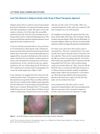 3 citations
,
April 2017 in “Dermatologic Surgery”
3 citations
,
April 2017 in “Dermatologic Surgery” Laser hair removal can be an effective last-resort treatment for men with stubborn Alopecia Areata who want to be uniformly bald.
 2 citations
,
October 2017
2 citations
,
October 2017 Vibration anesthesia can significantly lessen the pain during hair restoration surgery.
November 2025 in “Advanced Science” In this study, researchers found that a cold atmospheric plasma-activated hydrogel containing interleukin-2 significantly enhanced hair regeneration in a depilated mouse model, promoting larger hair follicles and faster hair growth phase transition, suggesting it as a potential treatment for hair loss.
June 2025 in “Archives of Dermatological Research” This study found that photobiomodulation-irradiated conditioned medium from human adipose-derived stromal cells enhanced hair growth in mice, suggesting its potential as a treatment for hair loss by increasing growth factor secretion.
February 2025 in “bioRxiv (Cold Spring Harbor Laboratory)” This study found that in a human skin organ culture model of pemphigus vulgaris, split formation led to significant upregulation of IFNγ and TNFα-related genes, indicating secondary effects from mechanical stress, not direct changes from autoantibodies.