4 citations
,
February 2025 in “Pharmaceuticals” In this study, voglibose, commonly used for diabetes management, was found to reduce melanin synthesis and inhibit melanogenic signaling pathways in B16F10 melanoma cells, suggesting it could be repurposed for treating hyperpigmentation disorders with confirmed topical safety in human tests.
 4 citations
,
July 2023 in “Pharmaceutics (Basel)”
4 citations
,
July 2023 in “Pharmaceutics (Basel)” This study reviews various skin models and methodologies used to assess the follicular penetration of nanoparticle-based drugs, highlighting inconsistencies that complicate comparisons and aims to establish more uniform protocols for clearer study outcomes.
3 citations
,
September 2025 in “ChemMedChem” This review highlights the inadequacy of the "specificity paradigm" in drug design for complex diseases like Alzheimer's and cancer, suggesting a shift toward developing multitarget drugs to improve treatment efficacy by interacting with multiple targets through various mechanisms.
3 citations
,
April 2024 in “Molecular Human Reproduction” This study found that paxillin knockdown in human granulosa-derived cells and mouse models decreased androgen receptor protein levels and altered gene expression, suggesting paxillin's role in protecting against androgen excess effects, as observed in a polycystic ovary syndrome mouse model.
3 citations
,
February 2024 in “International journal of molecular sciences” This review highlights the potential of valorizing citrus by-products, particularly hesperidin from orange peels, as sustainable ingredients in skincare for antiaging, pigmentation, wound healing, and UV damage protection, emphasizing hesperidin's role in a circular economy approach.
2 citations
,
September 2025 in “Frontiers in Nutrition” This review reports that various bioactive compounds in Aloe vera demonstrate significant anti-inflammatory, antioxidant, antibacterial, and immunomodulatory effects, supporting its validated use in treating metabolic disorders, gastrointestinal recovery, dermatological conditions, and wound healing due to its nutritional and therapeutic properties.
2 citations
,
February 2025 in “Journal of Nanobiotechnology” In this study, metal-organic frameworks modified with stearic acid were used to deliver cardamonin to hair follicles, significantly promoting hair growth and cell proliferation in testosterone-challenged mice, suggesting potential benefits for androgenic alopecia treatment.
 2 citations
,
December 2023 in “Current Pharmaceutical Biotechnology”
2 citations
,
December 2023 in “Current Pharmaceutical Biotechnology” This review discusses the potential of novel delivery systems to improve the bioavailability and therapeutic effects of herbal bioactives in colorectal cancer treatment.
2 citations
,
June 2023 in “Current Nutrition & Food Science” This literature review highlights the therapeutic potential of the biflavonoid hinokiflavone, suggesting its biological importance against various cancers, inflammation, viral infections like COVID-19, and other conditions.
 1 citations
,
September 2023 in “Applied sciences (Basel)”
1 citations
,
September 2023 in “Applied sciences (Basel)” This study found that Ishige sinicola ethanol extract and its butanol fraction can protect against lipopolysaccharide-induced muscle atrophy in C2C12 myotubes through antioxidant and anti-inflammatory activities.

In this study, a polyphenol and biotin supplement improved skin roughness and significantly reduced hair shedding, but did not demonstrate clear superiority over placebo in overall skin outcomes.
 April 2026 in “The Open Biotechnology Journal”
 This review reports that resveratrol could benefit the management of chronic illnesses such as diabetes and cardiovascular disease, but challenges with bioavailability and regulatory issues persist.
 March 2026 in “Molecules”
 This review reports that Dang Gui (Radix Angelica sinensis) possesses bidirectional immunoregulatory effects, enhancing immune cell proliferation and function, and may benefit immune-related diseases such as cancer and anemia. It also evaluates regulatory and safety aspects, aiming to guide future research and clinical use.
 February 2026 in “Materials”
 This study evaluated Humulus lupulus (hops) extract in cosmetic formulations and found it to maintain antioxidant and anti-irritant properties, reducing erythema by 10% after three weeks of use, supporting its potential for skin health improvement in plant-based cosmetics.
 January 2026 in “Applied Biological Chemistry”
 This study found that Ishophloroglucin A from brown seaweed may treat androgenic alopecia by inhibiting 5α-reductase and promoting hair growth-related factors in human dermal papilla cells.
November 2025 in “Applied Research” This review examines synthetic derivatives of curcumin for treating diabetes and cancer, reporting potential pharmacokinetic improvements and enhanced biological activity, but highlights ongoing challenges with bioavailability and stability, as well as gaps in translational research.
September 2025 in “International Journal of Molecular Sciences” This review examined the potential effects of Kampo medicine Hangeshashinto on oral mucositis, highlighting that several natural products in its composition may inhibit intracellular AGEs, reduce inflammation from extracellular AGEs, and suppress cytotoxicity in stomatitis.
 August 2025 in “Nutrients”
 This study found that Ageratum conyzoides extract enhanced hair growth in mice and human follicle cells, showing potential for hormonal modulation, pathway activation, and antioxidant protection; however, further clinical studies are needed to confirm efficacy in humans.
 January 2025 in “Cosmetics”
 In this study, the researchers found that Astragalus sinicus extracts improved wound healing, reduced oxidative stress, and activated crucial signaling pathways in dermal papilla cells damaged by dihydrotestosterone, suggesting it may be a promising ingredient for hair loss treatment.
January 2025 in “Open Medicine” This review discusses the connection between acne and metabolic syndrome, noting shared pathogenic mechanisms and suggesting integrated management strategies without presenting new clinical results.
 August 2024 in “Asian Journal of Research in Chemistry”
 This source concludes that repurposing existing drugs, such as using metformin with other treatments in advanced non-small cell lung cancer, may enhance cancer patient outcomes, although various technical and legal challenges need addressing.
May 2024 in “Molecules/Molecules online/Molecules annual” This narrative review reports that well-selected plant extracts and their active compounds may improve hair health by promoting hair growth and preventing hair loss, potentially aiding in developing targeted therapies for alopecia.
 February 2024 in “Drug Delivery and Translational Research”
 In this study, a newly developed cardamonin-loaded liposomal formulation significantly enhanced hair growth and improved hair follicle performance in mice with androgenic alopecia.
December 2023 in “Plants” The researchers investigated the phytochemical content and pharmacological properties of Fissistigma oldhamii and found multiple compounds, primarily in roots and stems, that may contribute to the plant's traditional anti-inflammatory uses in China, including potential antioxidant, anticancer, and antimicrobial effects.
 July 2023 in “International Journal of Endocrinology”
 In this study, researchers observed that Centratherum anthelminticum seed extract effectively reduced cholesterol, triglycerides, insulin resistance, and inflammatory markers, while normalizing hormone levels and oxidative stress markers in rodents with PCOS, suggesting potential benefits for managing the condition.
 April 2026 in “Cosmetics”
 In this review, several studies on Astragalus species, particularly Astragalus membranaceus, highlight their skin rejuvenating, photoprotective, antimicrobial, and wound-healing properties, though the authors note limitations due to reliance on non-human studies and short trial durations.
 March 2026 in “Pharmaceuticals”
 This study establishes a robust analytical method using mass spectrometry to comprehensively identify 170 chemical compounds in Xiaoban Kangfu capsules for enhanced quality control.
December 2025 in “Sustainable Chemistry One World” In this study, researchers found that mangosteen pericarp extract, combined with FeSO₄ as a mordant, effectively produced a stable reddish hair dye on bleached hair, with good color persistence and enhanced tensile strength, indicating its potential as an eco-friendly and safer alternative to synthetic dyes.
 November 2024 in “Journal of Cosmetic Dermatology”
 This study observed that a topical serum containing Silybum marianum extract, manganese PCA, and Lespedeza capitata extract enhanced hair follicle growth and hair shaft elongation, while prolonging the anagen phase in an ex vivo human scalp skin model, suggesting potential benefits for hair loss treatment.
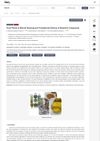
This review highlights the potential of plant-derived natural compounds as biocompatible and biodegradable materials in dermal and transdermal delivery systems, emphasizing their unexplored benefits and detailing recent advances in isolation techniques and drug delivery technologies.