14 citations
,
July 2015 in “International Journal of Molecular Sciences” This study found that S-Methylmethionine sulfonium (SMMS) enhances cell survival and reduces damage from UVB irradiation in skin cells, suggesting its potential as a cosmetic ingredient for UV protection.
 1 citations
,
February 2012 in “The American Journal of Cosmetic Surgery”
1 citations
,
February 2012 in “The American Journal of Cosmetic Surgery” This case series provides anecdotal evidence that urinary bladder extracellular matrix may improve hair regrowth in donor scars and enhance hair follicle graft outcomes in hair restoration surgery.
49 citations
,
January 2017 in “Journal of Materials Chemistry B” This study developed a hydrogel from glycol chitosan and silica nanoparticles, which showed promise in wound healing by supporting microvessel and hair follicle growth in skin defects.
 7 citations
,
May 2016 in “European Polymer Journal”
7 citations
,
May 2016 in “European Polymer Journal” This study found that biodegradable hyperbranched polyesters improved the solubility and loading capacity of hydrophobic drugs, with complete pyrene release achieved in 16 days under enzymatic conditions.
 5 citations
,
March 2000 in “PubMed”
5 citations
,
March 2000 in “PubMed” This study found that hair implantation using a biocompatible polyamide fiber resulted in very satisfactory improvements with a low rate of adverse events among 196 patients.
12 citations
,
October 2015 in “Journal of bioactive and compatible polymers” This study found that keratin hydrogels extracted from human hair showed potential as biodegradable and biocompatible filler materials, promoting angiogenesis and cell proliferation in rat models.
 7 citations
,
January 2023 in “Biofabrication”
7 citations
,
January 2023 in “Biofabrication” This study developed microfluidic-assisted GelMA-MSC/HAD-EPC microspheres that efficiently generated hair follicles in nude mice, suggesting a promising strategy for advancing hair-regenerative medicine.
1 citations
,
July 2023 in “Pharmaceutics” In this study, researchers developed grooved microneedles made from hyaluronic acid for precise transdermal drug delivery, achieving accurate dosage with a high probability of delivery (98% or more) by using an easy-to-operate applicator for shearing force.
 2 citations
,
February 2016 in “Journal of sol-gel science and technology”
2 citations
,
February 2016 in “Journal of sol-gel science and technology” This study found that 3-aminopropyltriethoxysilane penetrates hair fibers and improves the mechanical resistance of dry hair, addressing the needs for increased body in fine hair.
6 citations
,
May 2024 in “Macromolecular Bioscience” This study synthesized a temperature-sensitive hydrogel with strong antibacterial capabilities against S. aureus and E. coli, demonstrated via in vitro and in vivo tests, suggesting potential for antibiotic-free clinical applications when activated by near-infrared light.
November 2022 in “Asian Journal of Pharmaceutical Research” In this study, the researchers developed a cellulose-based hydrogel that provides sustained drug release with improved bioavailability and stability over time.

This study found that a combination of betulin and cytostatic Namitecan had a statistically significant synergistic effect on solid Ehrlich adenocarcinoma tumors in NMRI mice, and suggests a promising method for administering betulin in in vivo experiments despite its water insolubility.
 March 2026 in “BMC Veterinary Research”
 This case report describes the successful use of bovine amniotic membrane preserved in propolis for promoting rapid wound healing and hair regrowth in a cat with extensive skin necrosis.
28 citations
,
December 2016 in “Journal of Biomedical Materials Research Part A” This study found that mesenchymal progenitor cells from human hair roots seeded onto polymer scaffolds stimulated the production of mineralized proteins, enhancing bone-like structures, with optimal results at a pore size of 35 µm.
 17 citations
,
April 2017 in “International Journal of Biological Macromolecules”
17 citations
,
April 2017 in “International Journal of Biological Macromolecules” This study found that alginate beads containing monoolein demonstrated promising potential for managing wet wounds by better absorbing excess exudate and delivering adenosine locally, favoring drug localization in damaged porcine skin compared to an aqueous solution without affecting skin viability.
May 2013 in “Zhonghua miniao waike zazhi” This study found that hair follicle stem cells show good biocompatibility with a heterogeneous bladder acellular matrix in vitro and in vivo, supporting potential use in bladder repair.

This research developed a zinc-doped nanocomposite using biodegradable materials, observing effective bone targeting and regeneration capabilities in vivo, with no observed cytotoxicity in the MG63 cell line, potentially due to blocking Farnesyl Diphosphate Synthetase to inhibit osteoclastic activity and promote osteogenesis.
 January 2013 in “Transactions of the Materials Research Society of Japan”
 In this study, carboxymethylalanyl disulfide keratin was shown to effectively prevent hair damage during repeated bleaching and permanent waving treatments.
3 citations
,
November 2020 in “PubMed” This study observed that bone marrow mesenchymal stem cells cultured in three-dimensionally bioprinted hydrogels with higher stiffness, like 3A8G, tend to differentiate more into hair follicle cells compared to those in less stiff hydrogels, like 1A4G.
March 2026 in “Journal of Biomedical Materials Research Part B Applied Biomaterials” This study found that a chitosan, chondroitin sulfate, and hyaluronic acid scaffold improved wound healing in rats by promoting immune-stromal interactions, reducing inflammation, and supporting tissue regeneration with ~91% wound closure by day 17 compared to ~63% in controls.
August 2026 in “Journal of Functional Biomaterials” In this study, researchers developed a collagen and bacterial cellulose-based dressing loaded with bacitracin, which exhibited enhanced antibacterial activity, improved wound healing, and reduced inflammation in a murine infected-wound model, suggesting its potential for clinical use in treating infected wounds.
 3 citations
,
December 2016 in “Universal journal of pharmaceutical research”
3 citations
,
December 2016 in “Universal journal of pharmaceutical research” This study concluded that Finasteride can be effectively delivered in matrix tablets using different polymer ratios for sustained release.
January 2025 in “SSRN Electronic Journal” This study developed a bioinspired hydrogel (BD@HH6) that exhibited strong antimicrobial and antioxidant properties, accelerated wound healing in mice by promoting angiogenesis and reducing inflammation, and represents a potential new approach for managing chronic wound infections without relying on antibiotics.
 15 citations
,
July 2002 in “Australasian Journal of Dermatology”
15 citations
,
July 2002 in “Australasian Journal of Dermatology” In this case report, two plywood mill workers developed allergic contact dermatitis due to exposure to uncured phenol-formaldehyde resin, not sawdust as initially suspected.
 1 citations
,
May 2025 in “International Journal of Applied Pharmaceutics”
1 citations
,
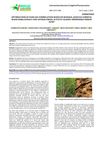
May 2025 in “International Journal of Applied Pharmaceutics” This study formulated a nanogel with Bangkal bark extract that showed moderate antibacterial activity against Propionibacterium acnes, with the F3 formulation (8% extract) achieving the highest inhibition zone of 8 mm, suggesting potential as a natural acne treatment.
19 citations
,
December 2022 in “Regenerative Biomaterials” This study found that gelatin–polycaprolactone/silk fibroin composite membranes with line micropatterns enhanced wound healing in rats by promoting cell alignment, angiogenesis, and increased α-SMA production.
 16 citations
,
September 2018 in “Journal of Molecular Liquids”
16 citations
,
September 2018 in “Journal of Molecular Liquids” This study investigated a nanostructured system using PS-b-PAA diblock copolymer for incorporating the hydrophobic photosensitizer ClAlPc, finding it effective in causing cellular damage in Caco-2 cells under light while demonstrating no cytotoxicity without light, suggesting its potential use in photodynamic therapy.
 September 2025 in “Journal of Surfactants and Detergents”
 In this study, shampoos containing sodium lauroyl methylaminopropionate showed superior coacervate formation and lubrication on wet hair, outperforming other amino acid surfactants and suggesting potential for creating low-irritation, high-performance hair products.
August 2025 in “Journal of Polymer Science” This review reports that combining adipose-derived stem cells with decellularized extracellular matrix enhances tissue repair by improving scaffold biological activity and promoting angiogenesis, integration, and functional regeneration across various tissues, while addressing challenges in traditional transplantation methods.
8 citations
,
January 2025 in “Gels” This study developed cilostazol-loaded formulations for nose-to-brain delivery, finding that these formulations improved cilostazol's bioavailability by enhancing solubility, absorption, and permeability, achieving nearly 100% drug release in vitro within 2 hours.