December 2023 in “Journal of Asia Pacific Aesthetic Sciences” This study found that a novel method of isolating human follicle stem cells from hair follicles via mechanical centrifugation, without culture conditions, promises to improve hair density in patients with Androgenetic Alopecia and some cases of Alopecia Areata.
 May 2026 in “Journal of Cutaneous and Aesthetic Surgery”
 In this study, researchers developed a novel bio-enhanced hair transplant technique that, among 10 patients, provided aesthetically pleasing outcomes with minimal downtime, linear increases in density over nine months, and uneventful donor area healing with no visible scarring.
 October 2023 in “Journal of Advanced Sciences”
 This review highlights PRF's potential as a regenerative medicine tool, detailing its diverse applications in dentistry, orthopedics, and dermatology, but presents no new clinical results.
January 2015 in “Spectrum Research Repository (Concordia University)” This study confirmed that porcine platelet-rich plasma could commercially replace fetal bovine serum due to its higher growth factor levels and effectiveness as a hair growth promoter comparable to existing serum.
15 citations
,
March 2007 in “BioTechniques” This study introduced a new in vivo angiogenesis assay using Gelfoam implanted in ND-GFP transgenic mice to efficiently identify angiogenesis stimulators and inhibitors through GFP visualization.
April 2016 in “The journal of investigative dermatology/Journal of investigative dermatology” This study found that combining UVB irradiation with anti-CD154 antibody improves the survival of hair follicle allografts in a humanized mouse model, suggesting a synergistic effect for allogeneic hair transplantation.
 5 citations
,
January 2001 in “Hair transplant forum international”
5 citations
,
January 2001 in “Hair transplant forum international” This review discusses the 1998 effort by 21 ISHRS hair restoration surgeons to standardize techniques for follicular unit transplantation and mini-micrografting, without reporting new clinical results.
2 citations
,
September 2023 in “Journal of clinical medicine” This study found that using autologous ultra-thin split-thickness skin grafts from the scalp with the DermaBlade tool led to rapid wound healing, minimal complications, and improved cosmetic outcomes for 90% of patients with lower extremity lesions, without causing scarring or alopecia.
 3 citations
,
June 2023 in “Advanced Materials”
3 citations
,
June 2023 in “Advanced Materials” This study reported that a self-pumping organohydrogel dressing equipped with hydrophilic fractal microchannels significantly increased exudate drainage efficiency and enhanced burn wound healing in mice, reducing dermal cavity size and accelerating blood vessel and hair follicle regeneration compared to commercial dressings.
 19 citations
,
February 2016 in “Journal of The American Academy of Dermatology”
19 citations
,
February 2016 in “Journal of The American Academy of Dermatology” This study found that the presence of CD3(+) T-cells within empty follicular fibrous tracts is a reliable indicator for diagnosing diffuse alopecia areata instead of pattern hair loss.
23 citations
,
April 2016 in “Journal of Visualized Experiments” This research details a robust method for isolating hair follicle stem cells and epidermal keratinocytes from mouse hair follicles using fluorescence activated cell-sorting technology.
58 citations
,
May 2004 in “British Journal of Dermatology” This study found that topical immunotherapy affects angiogenesis and immune cell ratios in the scalp, potentially offering insights into the mechanisms underlying alopecia areata.
This study found that prophylactically administering amotosalen-treated allogeneic donor T cells at transplantation significantly improved immune reconstitution and protection against murine cytomegalovirus infection without inducing graft-versus-host disease.
This study concluded that using Plasma gel and PRP as autologous collagen biostimulators improved acne scars and skin density, demonstrating efficiency and safety for facial rejuvenation in clinical evaluations including patient satisfaction.
 1 citations
,
September 1997 in “PubMed”
1 citations
,
September 1997 in “PubMed” In this report, the authors suggest that for extensive baldness, the uniform density approach in hair restoration surgery is less noticeable, especially in situations like wind or exercise.
 November 1998 in “Hair transplant forum international”
 This article discusses recent advancements in hair restoration techniques, focusing on optimizing efficiency for megasession procedures, and reports no new experimental results.
 8 citations
,
September 1993 in “British journal of dermatology/British journal of dermatology, Supplement”
8 citations
,
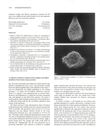
September 1993 in “British journal of dermatology/British journal of dermatology, Supplement” This study reports a new method for efficiently isolating hair papillae and follicle epithelium from human scalp specimens but presents no clinical results.
 29 citations
,
September 2020 in “International Journal of Molecular Sciences”
29 citations
,
September 2020 in “International Journal of Molecular Sciences” This review outlines the current state of freeze-dried platelet-rich plasma (FD-PRP) research, emphasizing its use in wound healing, lumbar fusion, knee conditions, and dentistry, but reports no new clinical findings.
 February 2024 in “Folia Medica”
 In this study, PRP therapy showed effectiveness in treating mild to moderate alopecia areata in patients with normal antithyroid antibodies, while those with severe forms or elevated antibodies did not experience significant benefits.
 November 2023 in “Journal of Cosmetic Dermatology”
 This study highlights the potential of fat injections for treating alopecia, as they may promote hair regrowth, reduce inflammation, and exhibit limited adverse effects, suggesting efficacy and safety in managing the condition.
In this study, a 46-year-old patient with alopecia areata experienced successful hair regrowth and improved quality of life after three monthly applications of platelet-rich plasma, which the authors noted is a relatively effective, safe, and minimally invasive treatment option.
54 citations
,
December 2004 in “PubMed” This study suggests that topical Cyclosporin A formulations, with or without a penetration enhancer, effectively stimulated hair regrowth in a rat model of alopecia areata.
 2 citations
,
September 2015 in “Journal of the Egyptian Women's Dermatologic Society (Print)”
2 citations
,
September 2015 in “Journal of the Egyptian Women's Dermatologic Society (Print)” Different centrifugation speeds change the quality of platelet-rich plasma.
This review found potential benefits of PRP for androgenic alopecia but highlighted the need for more rigorous studies to confirm its effectiveness.
 January 2024 in “Journal of Medicine in Scientific Research”
 This study concluded that adding platelet-rich plasma to hair transplantation in patients with cicatricial alopecia enhances hair density and shortens recovery time.
 January 2018 in “Archives of general internal medicine”
 The document concludes that automatic biofiber hair implant is a new method for improving hair growth.
 December 2017 in “Actas Dermo-Sifiliográficas”
 Scalp cooling reduces chemotherapy-induced hair loss without increasing risk of skin metastases.
29 citations
,
September 2019 in “Stem Cells International” This study observed that a treatment combining platelet-rich fibrin and micrograft spray-on skin led to rapid and complete wound healing in both massive and chronic burn patients within an average of 7-10 days.

This case report describes an increase in crown hair coverage using body hair transplantation from the chest and suprapubic regions, suggesting these as viable donor sites but emphasizing the need for standardized patient selection and follow-up.
January 2025 in “Tanzania journal of health research/Tanzania Journal of Health Research” This research discusses autologous mini-punch grafting, a surgical technique for treating stable, minor vitiligo when non-surgical treatments fail, reporting up to 75% repigmentation success in 78% of treated patients, although complications like cobblestoning and graft rejection may occur.