78 citations
,
June 2013 in “Science”
78 citations
,
June 2013 in “Science” This study found that mice lacking the Sept4/ARTS gene had more hair follicle stem cells and improved wound healing, suggesting apoptosis regulation as a potential target in regenerative medicine.
 254 citations
,
January 2012 in “Nature Reviews Molecular Cell Biology”
254 citations
,
January 2012 in “Nature Reviews Molecular Cell Biology” This review discusses the role of stem cell progeny as integral components of stem cell niches, offering feedback that may influence different stem cell systems' microenvironments, but it presents no new research findings.
503 citations
,
May 2009 in “Cell stem cell” This study suggests that Lrig1-positive cells form a previously unknown reservoir of interfollicular epidermal stem cells in adult mouse skin, influencing epidermal proliferation and hair follicle development.
 1039 citations
,
February 2009 in “Nature Reviews Molecular Cell Biology”
1039 citations
,
February 2009 in “Nature Reviews Molecular Cell Biology” This review discusses the reuse of molecular mechanisms involved in embryonic skin development for maintaining adult epidermal homeostasis and reports no new results.
 835 citations
,
October 2008 in “Nature Genetics”
835 citations
,
October 2008 in “Nature Genetics” Lgr5 is a marker for active, long-lasting stem cells in mouse hair follicles.
 127 citations
,
December 2007 in “Journal of Investigative Dermatology”
127 citations
,
December 2007 in “Journal of Investigative Dermatology” This review examines regenerative hair waves and complex hair cycle domains in transgenic mice, highlighting how these dynamic processes contribute to skin regeneration and the physiological regulation of organs, but reports no new experimental results.
 788 citations
,
February 2007 in “Nature”
788 citations
,
February 2007 in “Nature” This review explores how adult skin epithelia preserve stem cell populations for hair follicle regeneration and wound healing, but reports no new experimental results.
207 citations
,
July 2006 in “Development” This study identified a novel MTS24-positive murine keratinocyte population with increased colony-forming ability, suggesting these cells may serve as a new reservoir of proliferative progenitor or stem cells in hair follicles.
 375 citations
,
February 2006 in “Journal of Cell Science”
375 citations
,
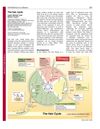
February 2006 in “Journal of Cell Science” This article reviews the stages and regulation of the hair cycle, highlighting molecular regulators involved, but it does not present new research findings.
1279 citations
,
November 2005 in “Nature Medicine” 387 citations
,
November 2003 in “Journal of Investigative Dermatology” The K15 promoter effectively targets stem cells in the hair follicle bulge.
561 citations
,
April 2003 in “Journal of Investigative Dermatology” CD34 is a marker for isolating stem-like cells in mouse hair follicles.