12 citations
,
August 2022 in “Ecotoxicology and Environmental Safety” This study developed and validated a method using hair samples to simultaneously detect bisphenols and parabens, enabling the quantification of these endocrine disruptors in a hospital population’s hair.
 December 2024 in “Turkish Society of Clinical Biochemistry”
 This study found that women with idiopathic hyperandrogenemia had higher urinary Bisphenol A levels compared to healthy controls, suggesting a potential role of this chemical in the condition.
20 citations
,
August 2020 in “Scientific Reports” In this study, low-dose BPA was associated with induced prostatic hyperplasia in rats, potentially mediated by COX-2 and L-PGDS through pathways involving cell proliferation and apoptosis.
 14 citations
,
June 2015 in “Toxicology and Industrial Health”
14 citations
,
June 2015 in “Toxicology and Industrial Health” This study found that low doses of bisphenol A may increase proliferation of the ventral prostate in adult rats by altering the estrogen to androgen ratio and gene expression.
 10 citations
,
December 2017 in “Chemosphere”
10 citations
,
December 2017 in “Chemosphere” In this study, BPA rapidly increased dendritic spine and synapse densities in cultured rat hippocampal neurons, with involvement of estrogen receptors and ERK1/2 and p38 pathways, but disrupted dihydrotestosterone's effects on synaptic plasticity.
 4 citations
,
November 2018 in “Journal of Pharmaceutical and Biomedical Analysis”
4 citations
,
November 2018 in “Journal of Pharmaceutical and Biomedical Analysis” This study found that a hydro-alcoholic extract of Roselle petals may reduce free radical production during UV-induced photodecomposition of antibiotics, potentially offering protective benefits for patients using similar topical antibiotics.
16 citations
,
June 2022 in “Journal of Pediatric Endocrinology and Metabolism” This study found an association between higher phthalate exposure and increased incidence of precocious puberty in girls, suggesting a need to reduce children's exposure to these endocrine disruptors.
7 citations
,
September 2024 in “International Journal of Molecular Sciences” This study found that 11-oxygenated androgens were higher in women with PCOS compared to those with idiopathic hirsutism, with no difference from controls, and higher Bisphenol A levels in obese women with PCOS may worsen metabolic issues.
 231 citations
,
July 2008 in “Nutrition reviews”
231 citations
,
July 2008 in “Nutrition reviews” This review discusses environmental epigenomics and its potential impact on gene regulation and phenotypic outcomes, using the Avy mouse model to illustrate nutritional and environmental effects on the fetal epigenome without presenting new findings.
51 citations
,
February 2004 in “Environmental Health Perspectives” This article analyzes various cases of weak or low-dose endocrine effects in laboratory animals and highlights challenges in data interpretation due to variability among controls, but reports no new experimental findings.
7 citations
,
October 2003 in “Nonlinearity in Biology Toxicology Medicine” This review discusses attempts to confirm low-dose effects in rodent endocrine studies and reports no findings; variability in control groups hinders demonstrating weak effects.
 1 citations
,
March 2025 in “Archivos Argentinos de Pediatria”
1 citations
,
March 2025 in “Archivos Argentinos de Pediatria” This study found that exposure to phytoestrogens, bisphenol A, parabens, and phthalates was associated with developing idiopathic premature thelarche in girls.
 August 2023 in “Revista Contemporânea”
 This review examines the relationship between fetal metabolic programming and the development of polycystic ovary syndrome, highlighting maternal and environmental factors but reports no new experimental results.
 January 2010 in “Nonlinearity in Biology Toxicology Medicine”
 This review assessed prior rodent studies on low-dose endocrine toxicity and found no confirmatory evidence, suggesting variability in control groups as a major confounding factor.
 1 citations
,
December 2023 in “Environmental pollution”
1 citations
,
December 2023 in “Environmental pollution” This study quantified around 60 organic pollutants in hair samples from mothers and infants in Spain, finding significant correlations between pollutant levels and factors like residence, dietary habits, and maternal age, with common exposure sources identified for several pollutant classes.
8 citations
,
January 2018 in “Science of the total environment” This study found elevated levels of dioxin-like polychlorinated biphenyls in the fur of juvenile Australian fur seals with alopecia, suggesting a possible link to the syndrome and underscoring fur's utility for monitoring exposure.
November 2025 in “Animals” In this study, hair samples from dogs with chronic degenerative valve disease showed significantly higher concentrations of certain endocrine-disrupting chemicals compared to healthy dogs, suggesting a potential link that warrants further investigation.
60 citations
,
July 1997 in “Journal of Wildlife Diseases” This study observed that northern elephant seals with skin disease had elevated pollutants like PCBs in their bodies, suggesting a potential link to the condition's unknown etiology.
 December 2022 in “theses.fr (ABES)”
 This study found that microplastics on the Lebanese Mediterranean coast transport various organic and inorganic pollutants, posing threats to marine organisms and potentially human health.
August 2025 in “Anais Brasileiros de Dermatologia” This review details phenol's dermatological uses and underscores its potent skin rejuvenation effects but emphasizes the need for caution due to risks of serious complications, including cardiac arrhythmias and organ failure, particularly with improper use or large-area applications.
 2 citations
,
February 2004 in “Biopolymers”
2 citations
,
February 2004 in “Biopolymers” This study found that 4-(4-Phenoxybenzoyl)benzoic acid derivatives may act as antioxidants by scavenging certain reactive oxygen species but exhibit prooxidant behavior under specific conditions.
18 citations
,
December 2005 in “Journal of Medicinal Chemistry” In this study, novel substituted benzoyl benzoic acids and phenylacetic acids were potent and selective inhibitors of human steroid 5alpha-reductase type 2, with one compound showing promising bioavailability in rats for potential clinical evaluation.
 2 citations
,
July 1982 in “British Journal of Dermatology”
2 citations
,
July 1982 in “British Journal of Dermatology” This study reports that retinol acetate inhibited the pro-oxidant effects of benoxaprofen on polymorphonuclear leucocytes in vitro.
 December 2024 in “Revista Brasileira de Plantas Medicinais”
 This study reviewed in vivo studies and clinical trials on phenolic compounds, like tannins and flavonoids, for treating hair loss, noting their antioxidant and anti-inflammatory effects but highlighting the need for more clinical trials to confirm benefits.
 October 2025 in “Interdiciplinary Journal and Hummanity (INJURITY)”
 This study characterized bioactive compounds in extracts from six Kalimantan herbal plants, confirming traditional medicinal uses with findings such as triterpenoids and several potent compounds with antimicrobial and cardiovascular benefits, laying groundwork for potential therapeutic applications and conservation efforts.
This paper discusses various toxicological properties of diphenyl cresyl phosphate, highlighting its low acute toxicity, potential neurotoxicity linked to o-cresyl phosphate content, and the lack of data for inhalation exposure, but presents no new experimental findings.
June 2025 in “OPAL (Open@LaTrobe) (La Trobe University)” This study found that a synthetic polyphenol, dimeric 1,2,4-benzenetriol (diBTO), can coat gray hair and gradually oxidize, creating a resistant brown layer similar to apple browning, which offers a practical hair dyeing solution that withstands washing and reduces the need for long dyeing sessions.
 January 2024 in “Epidemiology international journal”
 This study observed a 19.7% prevalence of polycystic ovarian syndrome among Afro-Caribbean women in Tobago, a rate higher than that reported in North American studies.
 13 citations
,
August 2019 in “Biological & Pharmaceutical Bulletin”
13 citations
,
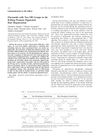
August 2019 in “Biological & Pharmaceutical Bulletin” This study found that flavonoids with two hydroxyl groups in their B-ring, such as sterubin and luteolin, supported the regeneration of pigmented hair after skin injury, unlike those with one hydroxyl group.
 15 citations
,
July 2002 in “Australasian Journal of Dermatology”
15 citations
,
July 2002 in “Australasian Journal of Dermatology” In this case report, two plywood mill workers developed allergic contact dermatitis due to exposure to uncured phenol-formaldehyde resin, not sawdust as initially suspected.