This study found that neurotrophins produced by balding dermal papilla cells inhibited both their proliferation and hair follicle growth in vitro, suggesting a potential role in androgenetic alopecia.
124 citations
,
April 1992 in “Journal of Endocrinology/Journal of endocrinology” This study observed that cells from androgen-sensitive areas like the beard and scrotum showed higher androgen receptor levels compared to those from non-balding scalp areas, supporting the role of dermal papilla in follicle growth responses to androgens.
 September 2019 in “Journal of Investigative Dermatology”
 This study found that co-culturing dermal papilla cells in a 3D structure with adipose-derived stem cells may enhance the expression of hair inductivity markers compared to 2D cultures.
 227 citations
,
January 1998 in “Journal of Endocrinology”
227 citations
,
January 1998 in “Journal of Endocrinology” This study found that dermal papilla cells from balding scalp hair follicles have significantly higher levels of androgen receptors than those from non-balding follicles, supporting their in vivo androgen response.
 171 citations
,
July 2007 in “Journal of Investigative Dermatology”
171 citations
,
July 2007 in “Journal of Investigative Dermatology” The researchers reported that DHT-inducible DKK-1 may play a significant role in DHT-driven balding by inhibiting hair follicle cell growth and promoting apoptosis in androgenetic alopecia.
 46 citations
,
April 2016 in “Journal of Investigative Dermatology”
46 citations
,
April 2016 in “Journal of Investigative Dermatology” This study suggests that down-regulation of vasculature-related genes in dermal papilla cells from balding scalps might contribute to the development of androgenetic alopecia.
 13 citations
,
November 2010 in “Experimental Dermatology”
13 citations
,
November 2010 in “Experimental Dermatology” This study found that L-ascorbic acid 2-phosphate could reduce DHT-induced DKK-1 expression in balding scalp cells, suggesting potential for treating androgen-driven hair loss.
141 citations
,
November 2007 in “Journal of Investigative Dermatology” This study found that balding dermal papilla cells show premature senescence and altered expression of stress and DNA damage markers, suggesting sensitivity to environmental stress in androgenetic alopecia.
 11 citations
,
April 2013 in “Journal of Proteomics”
11 citations
,
April 2013 in “Journal of Proteomics” This study identified proteins that are differentially expressed in balding versus non-balding dermal papilla cells, potentially aiding the understanding and treatment of androgenetic alopecia.
31 citations
,
October 2010 in “BMB Reports” In this study, L-threonate was found to inhibit DHT-induced DKK-1 expression in cultured dermal papilla cells, suggesting it could help prevent androgen-driven balding.
2 citations
,
October 2010 in “BMB Reports” In this study, L-threonate was observed to inhibit DHT-induced DKK-1 expression in dermal papilla cells and reverse DHT's inhibitory effects on outer root sheath cell growth, suggesting potential as a treatment for androgen-driven balding.
 190 citations
,
October 2002 in “The FASEB journal”
190 citations
,
October 2002 in “The FASEB journal” In this study, androgen did not affect keratinocyte growth in coculture with androgenetic alopecia-derived dermal papilla cells, but did significantly suppress keratinocyte growth when androgen receptor was overexpressed in the papilla cells.
 34 citations
,
February 1999 in “Journal of Dermatological Science”
34 citations
,
February 1999 in “Journal of Dermatological Science” This study found that minoxidil increased 17ß-hydroxysteroid dehydrogenase activity by nearly 40% in dermal papilla cells from balding scalps but not in nonbalding scalp cells or dermal fibroblasts.
 19 citations
,
March 1996 in “British Journal of Dermatology”
19 citations
,
March 1996 in “British Journal of Dermatology” This study found that dermal papilla cells from balding follicles exhibit distinct growth characteristics compared to non-balding cells, suggesting their potential as a model for understanding androgenetic alopecia.
 70 citations
,
January 2009 in “The Journal of clinical endocrinology and metabolism/Journal of clinical endocrinology & metabolism”
70 citations
,
January 2009 in “The Journal of clinical endocrinology and metabolism/Journal of clinical endocrinology & metabolism” This study explored the interaction between androgen and Wnt signaling in dermal papilla cells, targeting the effects of androgen on hair growth reduction.
 19 citations
,
September 2011 in “Journal of Dermatological Science”
19 citations
,
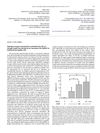
September 2011 in “Journal of Dermatological Science” TGF-β1 increases androgen receptor activity in hair loss, but Hic-5/ARA55 can counter this effect.
 4 citations
,
July 2020 in “Biochemical and Biophysical Research Communications”
4 citations
,
July 2020 in “Biochemical and Biophysical Research Communications” This study suggests that EDA-A2 induces apoptosis in hair follicles by increasing DKK-1 expression, implicating EDA2R signaling as a potential therapeutic target for androgenetic alopecia.
30 citations
,
March 1996 in “British Journal of Dermatology”  2 citations
,
January 2022 in “Skin Pharmacology and Physiology”
2 citations
,
January 2022 in “Skin Pharmacology and Physiology” This study found that stress-associated hair loss may be linked to increased androgen receptor expression and activity in non-balding hair follicles due to dexamethasone treatment.
 1 citations
,
September 2020 in “Journal of Dermatological Science”
1 citations
,
September 2020 in “Journal of Dermatological Science” In this study, researchers found that the gene LRRC15 was overexpressed in dermal papilla cells from balding areas compared to non-balding areas in patients with androgenetic alopecia.
34 citations
,
July 1993 in “The journal of investigative dermatology/Journal of investigative dermatology” This study suggests that androgens influence hair follicle behavior via the dermal papilla, using evidence from human and red deer cells with differing androgen responses as models.
 27 citations
,
September 1999 in “Journal of Investigative Dermatology”
27 citations
,
September 1999 in “Journal of Investigative Dermatology” This study found that protease nexin-1 mRNA is expressed in human dermal papilla cells and is downregulated by dihydrotestosterone in balding scalp, suggesting a role in male-pattern baldness progression.
April 2017 in “Journal of Investigative Dermatology” Certain compounds can protect hair cells from aging and promote growth.
 March 1998 in “Journal of dermatological science”
 Protease Nexin-1 is found in human hair growth cells and is affected by male hormones.
 13 citations
,
June 2007 in “Journal of Dermatological Science”
13 citations
,
June 2007 in “Journal of Dermatological Science” This study identified several genes regulated by dihydrotestosterone in an SV40T-transformed human dermal papilla cell line, which may play a role in androgen-mediated hair growth regulation.
 6 citations
,
January 2022 in “Journal of Investigative Dermatology”
6 citations
,
January 2022 in “Journal of Investigative Dermatology” This study found that androgen receptor signaling is linked to blood vessel regression in the dermal papilla of balding scalp, contributing to hair follicle miniaturization in androgenetic alopecia.
 August 1993 in “Journal of Dermatological Science”
 Testosterone metabolism in balding scalp cells may not be the main cause of hair loss.
2 citations
,
November 2021 in “Cell Biology International” This study found that overexpression of miR-122 in balding hair follicles may induce apoptosis in human dermal papilla cells by repressing IGF1R, suggesting a new potential pathological mechanism in androgenetic alopecia.
 93 citations
,
February 2015 in “Journal of Investigative Dermatology”
93 citations
,
February 2015 in “Journal of Investigative Dermatology” This study suggests that oxidative stress may contribute to androgenetic alopecia by inducing premature senescence and secretion of hair growth inhibitors in dermal papilla cells from balding scalp.