 22 citations
,
October 2011 in “Bone”
22 citations
,
October 2011 in “Bone” This study found that androgen signaling has complex effects on bone formation in male AR3.6-transgenic mice, with varying impacts based on the embryonic lineage of cells.
 31 citations
,
October 2018 in “Frontiers in Cell and Developmental Biology”
31 citations
,
October 2018 in “Frontiers in Cell and Developmental Biology” The conclusion is that CD90 is not a specific marker for fibroblast subtypes and better methods are needed to identify them.
 42 citations
,
May 2016 in “Annual Review of Cell and Developmental Biology”
42 citations
,
May 2016 in “Annual Review of Cell and Developmental Biology” This review explores the novel roles of white adipose tissue in tissue homeostasis and regeneration, emphasizing its impact on epithelial, muscle, and immune tissues, and reports no new clinical results.
 21 citations
,
March 2018 in “Experimental Dermatology”
21 citations
,
March 2018 in “Experimental Dermatology” This practical guide introduces methods to study human dermal white adipose tissue but does not report new clinical results, emphasizing available techniques and staining protocols.
 January 2015 in “Durham e-Theses (Durham University)”
 This study found that glucose starvation and hypoxia are physiological triggers of ER stress in in vitro differentiated adipocytes, rather than high concentrations of saturated fatty acids, cholesterol, or proinflammatory cytokines.
 February 2022 in “Journal of Investigative Dermatology”
 The researchers in this study found that neonatal mouse skin fibroblasts show distinct chromatin landscapes directing differentiation into dermal papilla or adipocyte lineages, and such plasticity may inform strategies for enhancing regenerative capacities in adult skin.
September 2025 in “Development” In this study, deleting the transcriptional pause factor Nelfb in mouse preadipocyte lineages led to defective dermal fat formation and lethal outcomes, while interventions targeting Pparg could rescue adipocyte differentiation and promote dermal white adipose tissue formation, underscoring Nelfb's critical role in adipogenesis.
1 citations
,
May 2022 in “International journal of molecular sciences” This study found that in Hutchinson–Gilford progeria syndrome, iPSCs committed to the keratinocyte lineage faster than normal cells, with LEF1 expression reduced and a partial rescue of the phenotype achieved through adenine base editing.
130 citations
,
March 2014 in “Proceedings of the National Academy of Sciences of the United States of America” This study found that in mice, epidermal Wnt/β-catenin signaling influences adipocyte differentiation and hair growth, suggesting its critical role in synchronizing adipogenesis with the hair growth cycle.
 17 citations
,
July 2014 in “Expert Opinion on Biological Therapy”
17 citations
,
July 2014 in “Expert Opinion on Biological Therapy” This study concluded that the new subfractionation culturing method generates highly homogeneous adipose-derived stem cells with enhanced mitogenic, paracrine, and hair growth-promoting effects compared to traditional isolation methods.
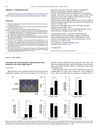 11 citations
,
June 2012 in “Journal of Dermatological Science”
11 citations
,
June 2012 in “Journal of Dermatological Science” This article reviews how aging affects skin and stem cells, but it contains no new research findings.
 29 citations
,
April 2020 in “Biomolecules”
29 citations
,
April 2020 in “Biomolecules” The study suggests that a 3D culture system using the RAD16-I peptide scaffold can help restore the original phenotype of hair follicle dermal papilla cells and support their osteogenic and adipogenic differentiation.
 April 2023 in “Digital Library of Theses and Dissertations (Universidade de São Paulo)”
 This study concluded that mesenchymal stem cells from adipose tissue harvested using laser-assisted liposuction with selective photo-stimulation are as effective and low-risk for cell therapy as those obtained through conventional liposuction, based on their differentiation potential, cellular proliferation, and cytokine expression.

The study found that adipose-derived mesenchymal stem cells obtained via laser-assisted liposuction with selective photo-stimulation are comparable in differentiation potential and tumorigenic risk to those from conventional liposuction for cell therapy applications.
37 citations
,
May 2021 in “Frontiers in Cell and Developmental Biology” This study found that Ng2+ perivascular cells in mouse skin are a diverse lineage-restricted population primarily recruited from papillary or reticular fibroblast lineages during wound healing, maintaining heterogeneity in both wounded and non-wounded skin.
 50 citations
,
September 2014 in “Stem cell reports”
50 citations
,
September 2014 in “Stem cell reports” In this study, BLIMP1 was found to function in terminally differentiated epidermal cells to maintain homeostasis, rather than defining a sebocyte progenitor population.
39 citations
,
November 2007 in “Journal of Histochemistry & Cytochemistry” This study found that in neonatal mice, the absence of the NG2 proteoglycan leads to reduced epidermal thickness and delayed subcutis thickening due to impaired proliferation and adipocyte deficiencies.
1 citations
,
March 2019 in “International Journal of Molecular Medicine” This study demonstrated that hair follicle cells can be induced to differentiate into cardiomyocyte-like cells in vitro, exhibiting characteristics and spontaneous beating typical of cardiac muscle, without genetic modification.
123 citations
,
January 2020 in “International Journal of Molecular Sciences” This review discusses the role of fibroblast heterogeneity in determining skin scarring versus regeneration and reports no new results, highlighting opportunities for developing antiscarring therapies.
 18 citations
,
October 2021 in “Frontiers in Physiology”
18 citations
,
October 2021 in “Frontiers in Physiology” This review summarizes recent research on the molecular properties and functions of L-PGDS and PGD2, but reports no new findings, highlighting their pathophysiological roles and guiding future studies.
7 citations
,
January 2022 in “Biomedicines” In this study, hair follicle-derived mesenchymal stromal cells showed potential for immunomodulation, with equivalent or superior responses compared to those from adipose tissue, suggesting a promising alternative cell source.
5 citations
,
May 2023 in “Frontiers in Cell and Developmental Biology” This study used single-cell techniques and lineage tracing to reveal that integrin α6 expression in neural crest cells can differentiate them into Schwann cells, melanocytes, and fibroblasts in skin, identifying integrin α6 as a potential marker for these derivatives.

This study found that inhibiting AP-1 activity in mice can induce lineage transdifferentiation between squamous and sebaceous tumors, suggesting AP-1's role in maintaining tumor cell identity.
 1 citations
,
November 2015
1 citations
,
November 2015 This study observed that human dental pulp stem cells can differentiate into adipocytes and osteocytes, but their potential for neural differentiation remains uncertain due to similar responses seen in undifferentiated cells.
 April 2025 in “Cellular and Molecular Biology”
 This study found that human dermal stem/progenitor cells demonstrated greater proliferation and differentiation potential than hair follicle dermal papilla cells, which showed increased expression of hair regeneration markers.
This study found that inhibiting AP-1 transcription factors in mice causes squamous tumors to transform into sebaceous tumors and regulates tumor cell lineage.
488 citations
,
July 2021 in “Cell” This review discusses the development, lineages, functions, and roles of fibroblasts in fibrosis across four organs, highlighting their capabilities in tissue repair and contributions to fibrotic disorders when aberrantly activated, but it reports no new experimental findings.
September 2025 in “Stem Cell Research & Therapy” This study found that TAZ promotes adipogenesis in goat adipose-derived mesenchymal stem cells by enhancing PI3K/AKT pathway activity, with overexpression boosting adipocyte formation and knockdown inhibiting it.
 17 citations
,
December 2013 in “PLoS ONE”
17 citations
,
December 2013 in “PLoS ONE” This study found that the postnatal thymus contains a population of mesenchymal stem cells that may help maintain functional thymic microenvironments.
1 citations
,
September 2025 in “International Journal of Molecular Sciences” This study found that primary stem cells from concentrated growth factor can differentiate into adipogenic, endothelial, and neuronal lineages in vitro, suggesting potential for use in regenerative therapies.