1 citations
,
January 2024 in “Egyptian Dental Journal /Egyptian Dental Journal” This study observed that injecting minimally cross-linked hyaluronic acid with PDO smooth threads in female patients with dry, cracked lips led to significant improvements in lip texture, elasticity, and reduced fissure depth, effects that lasted up to nine months with additional booster injections.
 38 citations
,
January 2013 in “Analyst”
38 citations
,
January 2013 in “Analyst” This study identified the main secondary metabolites in Ziziphus jujuba seeds and confirmed that UPLC-MS/MS and GC-MS effectively demonstrate their pharmaceutical quality.
December 2013 in “Pump Industry Analyst” This study found that using particle-based antigen delivery in combination with cyanoacrylate skin surface stripping is an effective needle-free method for targeting HIV-1 p24 protein to skin cells, enhancing transcutaneous vaccination potential.
 January 2020 in “Journal of Pharmacognosy and Phytochemistry”
 This study observed that a polyherbal hair oil made from virgin coconut oil and extracts of nine different herbs demonstrated effectiveness in promoting hair growth with a cooling effect and no reported side effects, based on various evaluated properties.
This study found that low-temperature rendering of black beans, peony, and green tea extracts retains higher antioxidant properties and effectively supports scalp health by strengthening follicles and moisturizing the scalp.
4 citations
,
December 2014 in “Annals of neurology” This editorial discusses the rationale and limited evidence for "medical marijuana," suggesting that THC, an FDA-approved alternative, may often be a more appropriate choice for clinical use.
 January 2021 in “Figshare”
 This study found that Coenzyme Q10 delivered through transethosomes improved clinical outcomes for androgenic alopecia patients compared to CoQ10 solution.

This simulation study found that higher cannabis exposure in a virtual population was associated with increased hair shedding severity and reduced follicular density, but these results are based on modeled data and cannot establish causal relationships.
11 citations
,
April 2021 in “Journal of Clinical Medicine” This study found that long-term use of a home-use LED device for neck skin rejuvenation significantly improved wrinkle appearance and skin biophysical parameters without affecting thyroid function or morphology after 16 weeks of daily use.
 63 citations
,
December 2002 in “Archives of Dermatology”
63 citations
,
December 2002 in “Archives of Dermatology” This abstract contains no research results; it provides information about the JAMA Dermatology journal and its access options.
 1 citations
,
July 2020 in “International journal of radiology & radiation therapy”
1 citations
,
July 2020 in “International journal of radiology & radiation therapy” This study found that VMAT hair-sparing WBRT partially preserved scalp hair at four weeks post-treatment without compromising symptomatic disease control in the short term, but reduced hair loss did not improve quality of life.
 January 2024 in “International Journal of Health Science”
 This study evaluated emerging techniques for managing chemotherapy-induced alopecia and found that scalp cooling significantly reduced hair loss, while photobiomodulation was well-tolerated without major adverse effects; however, further research is needed to refine treatment protocols and ensure long-term safety.
30 citations
,
January 2014 in “Journal of Controlled Release” This study concluded that combining cyanoacrylate skin surface stripping with particle-based antigen delivery effectively targets HIV-1 p24 protein to skin cells, supporting its potential for needle-free transcutaneous vaccination.
 September 2025 in “International Journal for Research in Applied Science and Engineering Technology”
 This paper discusses the potential benefits of incorporating guava leaf extracts into skincare, hair care, and oral care products, highlighting their antibacterial, antioxidant, and acne-treating properties, as well as their possible effects on dandruff removal and hair loss reduction.
January 2025 in “Journal of Controlled Release” This study developed a gas-propelled microneedle patch with puerarin/quercetin nanoparticles, which demonstrated improved hair-regenerating effects in an androgenetic alopecia mouse model by increasing drug delivery, alleviating oxidative stress, promoting angiogenesis, and rejuvenating senescent cells.
 August 2025 in “İstanbul Gelişim Üniversitesi Sağlık Bilimleri Dergisi”
 In this study, the researchers developed a chromatographic method to determine α-tocopherol and α-tocopheryl acetate in pharmaceutical capsules with high accuracy and repeatability, establishing it as a reliable alternative for analyzing these compounds.
June 2024 in “Lasers in Surgery and Medicine” This study found that the novel dermal cooling system was an effective and safe treatment for reducing pigmentation in benign pigmented lesions in Asian patients, with minimal side effects.
 26 citations
,
November 2016 in “European Journal of Clinical Pharmacology”
26 citations
,
November 2016 in “European Journal of Clinical Pharmacology” This study found that using valproic acid during radiotherapy for glioma was associated with delayed hair loss and improved survival outcomes.
34 citations
,
April 2001 in “PubMed” This study found that eflornithine HCl 13.9% cream reduces unwanted facial hair growth in women, with effects seen in up to 60% of participants over 4-8 weeks, with mostly minor skin irritation reported.
5 citations
,
September 2023 in “Molecules” This review examines physical methods like electron paramagnetic resonance spectroscopy, Raman spectroscopy, and differential scanning calorimetry, highlighting their complementary capabilities in analyzing biomolecular structures and mycobacterial interactions with reactive oxygen species and antioxidants.
 December 2024 in “Cell Communication and Signaling”
 This study found that subcutaneous adipose tissue-derived extracellular vesicles (AT-EVs) protect skin from photodamage by enhancing fibroblast proliferation and reducing oxidative stress compared to those from adipose-derived stem cells.
12 citations
,
August 2015 in “Plastic Surgery” This study found that botulinum toxin type A significantly reduced skin flap necrosis in rats exposed to cigarette smoke, suggesting it may help improve flap viability in smokers.
April 2024 in “Al-Azhar International Medical Journal /Al-Azhar International Medical Journal” This study at Al-Azhar University Hospitals found that combining a fractional CO2 laser or microneedling with topical 5-Fluorouracil (5-FU) is more effective and safe for treating vitiligo than using either treatment alone, offering a new therapeutic option for patients.
 March 2025 in “Journal of Cutaneous and Aesthetic Surgery”
 This study highlights promising advancements in non-invasive techniques for treating hair-related conditions, emphasizing the importance of customizing treatments based on individual needs.
1 citations
,
May 2024 in “Pharmaceutics” This review discusses the potential benefits and challenges of using hemp actives like cannabinoids, terpenes, and flavonoids in skincare products, emphasizing their anti-inflammatory, antimicrobial, and antioxidant properties and strategies to enhance their penetration and integration in natural and sustainable cosmeceuticals.
 January 2024 in “Journal of Cosmetic Dermatology”
 This study found that men who smoke are more likely to develop androgenetic alopecia and experience disease progression compared to non-smokers.
January 2005 in “Di-san junyi daxue xuebao” This study found that treatment with aerosol bioelectricity accelerated wound healing in burned rats by enhancing the expression of EGF and β_1 integrin in skin basal and hair follicle cells.
 8 citations
,
July 1990 in “Archives of Dermatology”
8 citations
,
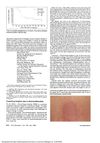
July 1990 in “Archives of Dermatology” This case report details a fixed-drug eruption in a woman linked to the use of dextromethorphan, marking it as a previously unreported skin reaction to this medication.
 September 2019 in “Journal of Investigative Dermatology”
 This study found that a history of smoking significantly predicted a more refractory course of palmoplantar pustulosis, with associated comorbidities often including hypertension, type 2 diabetes mellitus, and thyroid diseases.
22 citations
,
March 1999 in “International Journal of Clinical Practice” This review discusses the use of topical immunotherapy for severe alopecia areata and resistant viral warts, highlighting diphencyprone's advantages and the need for careful handling to avoid staff sensitisation; it reports no new clinical results.