 May 2020 in “JAAD case reports”
 This source describes a previous case report that combined anthralin and calcipotriene to treat alopecia areata, showing promising results, but highlights that further research is needed to understand the mechanisms and potential benefits of this combination therapy.
35 citations
,
April 1937 in “The journal of nutrition/The Journal of nutrition” This study found that supplementing young rats' diet with lactoflavin prevented cataract development, while a diet lacking all B vitamins, except flavin, led to cataracts and alopecia.
1 citations
,
January 1980 in “Side effects of drugs annual” This chapter reviews various adverse effects associated with vitamins, including hypercalcemia from high doses of vitamin A, hair loss from retinoid treatment, and complications with vitamin B6 in Parkinson's therapy, but reports no new clinical findings.
 28 citations
,
January 2016 in “Vitamins and hormones”
28 citations
,
January 2016 in “Vitamins and hormones” This source reports that thymosin beta 4 accelerated dermal wound repair in phase 2 clinical trials for pressure ulcers, stasis ulcers, and epidermolysis bullosa wounds and was well tolerated.
 September 2024 in “Journal of Cosmetic Dermatology”
 In this study, researchers found that Ectoin, derived from halophilic bacteria, can mitigate stress-related skin damage by reducing cortisone's inhibitory effects on essential skin proteins and decreasing UVB-induced glucocorticoid activity, highlighting its potential as a preventative agent for stress-induced skin issues.
 January 2025 in “ARC Journal of Clinical Case Reports”
 This case report suggests that using encapsulated retinol in polylysine may effectively treat actinic keratosis with minimal irritation, potentially providing a safer alternative for frequent use.
5 citations
,
May 2017 in “Journal of dermatological science” This study reviewed the genetic and phenotypic aspects of Olmsted syndrome, highlighting pathogenic mutations in TRPV3 and MBTPS2 genes and their association with specific skin manifestations like symmetrical keratoderma and hyperkeratotic plaques.
January 1985 in “Clinical research” This study found that topical alpha-terthienyl combined with UVA radiation rapidly induced dose-dependent cutaneous photosensitization in guinea pigs, suggesting potential for photochemotherapy in skin disorders without future carcinogenic risks.
10 citations
,
March 2010 in “Journal of Food Biochemistry” This study found that Sithong-bao seed coat extract, with high phenolic content, exhibited the strongest antioxidant properties among certain Thai tamarind cultivars, suggesting potential for nutraceutical development.
 1 citations
,
January 2017 in “Pharmaceutica Analytica Acta”
1 citations
,
January 2017 in “Pharmaceutica Analytica Acta” This study found petroleum ether to be more effective than methanol at extracting β-sitosterol from Eclipta alba, with higher concentrations detected using HPTLC and HPLC methods. The extracted materials contained metals within safety limits.
In this study, imaging techniques showed that nanostructured lipid carrier formulations distributed ascorbic acid more effectively across skin layers compared to conventional cream formulations, suggesting a better method for skin permeation.
 21 citations
,
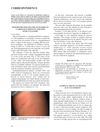
January 2005 in “Pediatric Dermatology”
21 citations
,
January 2005 in “Pediatric Dermatology” An 8-year-old girl with vitiligo developed extra hair growth on her knee after using tacrolimus ointment.
 January 2025 in “SKIN The Journal of Cutaneous Medicine”
 This study suggests that while vitamin D3 deficiency is linked to alopecia areata severity, evidence for the effectiveness of supplementation or topical calcipotriol treatment remains inconsistent and low quality.
12 citations
,
January 1999 in “Journal of Animal Science” This study observed that combined treatment with thyroxine and hydrocortisone increased lipid accretion and fat cell development in hypophysectomized fetal pigs, suggesting a key role of these hormones in fetal adipogenesis.
In this study, the combined treatment of ursolic acid and resveratrol was evaluated for its inhibitory effects on skin tumor promotion in female FVB mice. The combination was applied topically before TPA treatment and was found to significantly inhibit TPA-induced epidermal hyperproliferation, signaling pathways, and skin inflammation more effectively than either compound alone. Key signaling pathways affected included EGFR, STAT3, and NF-κB, among others. The combination also increased tumor suppressor levels and reduced proinflammatory cytokine expression. Overall, the combined treatment resulted in a greater reduction in tumor multiplicity and size, highlighting its potential as a more effective strategy for preventing skin tumor promotion compared to individual treatments.
December 2008 in “Al-Mağallaẗ al-ʻirāqiyyaẗ li-l-ṣaydalaẗ” This study found that antioxidant vitamin treatment improved the hair growth rate in patients with alopecia areata, regardless of the duration of their condition.
 4 citations
,
April 2018 in “Journal of Investigative Dermatology”
4 citations
,
April 2018 in “Journal of Investigative Dermatology” This study suggests that hydroxypinacolone retinoate (HPR) may be an effective alternative to tretinoin for anti-aging skin treatments, offering similar collagen production benefits without increased skin irritation.
 May 2026 in “Archives of Dermatological Research”
 In this study, serum levels of vitamin C, vitamin E, and total antioxidant capacity did not differ significantly between individuals with premature greying hair and controls, but a strong association with family history was observed.
 18 citations
,
July 2018 in “Journal of Cosmetic Dermatology”
18 citations
,
July 2018 in “Journal of Cosmetic Dermatology” This study found that microneedling combined with calcipotriol plus betamethasone was more effective in treating vitiligo than microneedling with tacrolimus, particularly in difficult-to-treat areas.
 55 citations
,
August 2015 in “AAPS PharmSciTech”
55 citations
,
August 2015 in “AAPS PharmSciTech” This study reports that a newly developed polyherbal phospholipid complex cream containing Citrus auranticum and Glycyrrhiza glabra extracts improved polyphenol retention in the skin, suggesting potential as an anti-aging cosmeceutical.
In this study, the combined treatment of ursolic acid and resveratrol was evaluated for its effects on skin tumor promotion in female FVB mice. The combination was applied topically before TPA treatment and was found to significantly inhibit TPA-induced epidermal hyperproliferation, signaling pathways, and skin inflammation more effectively than either compound alone. Key signaling pathways affected included EGFR, STAT3, and NF-κB, among others. The combination also increased tumor suppressor levels and reduced proinflammatory cytokine expression. Overall, the combined treatment resulted in a greater reduction in tumor multiplicity and size, highlighting its potential as a more effective strategy for inhibiting skin tumor promotion compared to individual treatments.
13 citations
,
May 2012 in “Cutaneous and ocular toxicology” In this study, researchers found no significant differences in vitamin B12, folate, and homocysteine metabolism between patients with alopecia areata and controls, suggesting no association with vitamin B12 deficiency.
1 citations
,
September 2001 in “PubMed” This review discusses the effectiveness and risks of acitretin in treating various skin conditions, highlighting its teratogenic potential and the necessary precautions for its use.
This study found that administering gingerol improved survival and reduced organ damage in mouse models of chronic graft-versus-host disease by modulating T cell differentiation and inflammatory cytokines, suggesting a novel therapeutic approach for steroid-refractory cases.
4 citations
,
January 2025 in “Pharmaceutics” This study found that spanlastic gel loaded with thymoquinone and ascorbic acid improved skin deposition and tyrosinase inhibition, suggesting potential as a treatment for hyperpigmentation.
12 citations
,
November 2024 in “International Journal of Molecular Sciences” This study found that hydroxytyrosol significantly alleviated acute liver injury in mice by suppressing inflammation and targeting the TNF-α/PI3K/AKT signaling pathway.
 May 2025 in “Experimental Dermatology”
 This study found that specific TRPM5 modulators are unlikely to directly affect sebaceous glands, but safe TPPO analogues may provide moderate lipogenic and anti-inflammatory effects beneficial for dry skin conditions.
May 2019 in “Journal of clinical oncology” This Phase 1 study reported that topical application of BPM31543 was safe and well-tolerated in patients receiving taxane-based chemotherapy, with some experiencing less than 50% hair loss, suggesting potential efficacy in reducing chemotherapy-induced alopecia, although no maximum tolerated dose was identified.
30 citations
,
February 1996 in “Journal of Investigative Dermatology” 55 citations
,
January 2000 in “Cell biochemistry and function” This study observed that patients with alopecia had increased lipid peroxidation and decreased antioxidants, including lower beta-carotene, GSH levels, and GSH-Px activity, compared to healthy controls.