4 citations
,
September 2024 in “Development” This study investigated transcription factors in human trophectoderm cells during development, finding that GATA2 and GATA3 are essential for transforming stem cells into induced trophoblast stem cells, which display characteristics similar to placental progenitor cells, offering new methods for modeling placental-associated diseases.
 April 2024 in “Clinical and experimental dermatology”
 This retrospective study evaluated the use of tofacitinib as an induction therapy for severe alopecia areata and found it promising and comparable to the standard oral mini-pulse treatment, though pulse steroids may be considered if tofacitinib response is inadequate.
 September 2023 in “Journal of the American Academy of Dermatology”
 Topical tofacitinib helped a man with severe scalp condition after other treatments failed.
 384 citations
,
June 2005 in “Genes & development”
384 citations
,
June 2005 in “Genes & development” This study found that stabilized beta-catenin is crucial for activating stem cell transition from quiescence to proliferation in hair follicles by influencing gene expression within the stem cell niche.
 May 2025 in “JEADV Clinical Practice”
 This case study reports significant improvements in joint pain and hair regrowth in a 31-year-old female with alopecia universalis, psoriasis vulgaris, and psoriatic arthritis using a combination of tofacitinib and methotrexate after other treatments failed.
 February 2024 in “PloS one”
 This review concluded that oral tofacitinib and adalimumab are promising treatments for cicatricial alopecia, showing effectiveness in improving signs and symptoms but requiring regular monitoring for adverse effects. The authors emphasize the need for further extensive studies to solidify these findings.
 14 citations
,
November 2016 in “Annals of Internal Medicine”
14 citations
,
November 2016 in “Annals of Internal Medicine” Tofacitinib, an arthritis drug, helped hair growth in alopecia universalis but long-term safety needs more research.
March 2026 in “Drug Testing and Analysis” This study observed that the degradation product PTeCA significantly increased in hair treated with oxidative cosmetics, suggesting it could be a reliable marker for detecting such treatments, with a proposed PTCA cut-off value using PTeCA as the gold standard.
 24 citations
,
January 2018 in “International Journal of Trichology”
24 citations
,
January 2018 in “International Journal of Trichology” This study found that oral tofacitinib was effective in promoting hair regrowth in patients with alopecia universalis, although further controlled studies are recommended to confirm its safety and efficacy.
 44 citations
,
October 2017 in “Journal of the American Academy of Dermatology”
44 citations
,
October 2017 in “Journal of the American Academy of Dermatology” In this study, tofacitinib monotherapy was effective in achieving hair regrowth in over half of Korean patients with moderate-to-severe and refractory alopecia areata, though treatment discontinuation typically led to hair loss recurrence.
 January 2024 in “Skin Research and Technology”
 This case report found that oral tofacitinib treatment resulted in more than 90% hair regrowth in a 6-year-old with severe alopecia areata, with no relapse after dose reduction.

In this study on patchy alopecia areata treatment involving 20 patients, TCA (triamcinolone acetonide) injections showed a significantly better response and minimal side effects compared to superficial cryotherapy.
July 2025 in “Journal of Investigative Dermatology” Enhancing Tregs can protect against alopecia areata.
 June 2020 in “Journal of Investigative Dermatology”
 This study observed that insurance coverage for oral tofacitinib in alopecia areata patients was difficult to obtain, with 71% of patients ultimately not receiving approval despite the drug's efficacy as an off-label treatment.
 13 citations
,
June 2012 in “Journal of Dermatological Case Reports”
13 citations
,
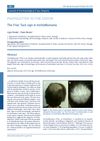
June 2012 in “Journal of Dermatological Case Reports” This report describes an 8-year-old male with trichotillomania, confirmed by trichoscopy showing characteristic hair damage and patterns.
 1 citations
,
August 2024 in “Journal of Cutaneous and Aesthetic Surgery”
1 citations
,
August 2024 in “Journal of Cutaneous and Aesthetic Surgery” In this study, 65% TCA showed better improvement for acne scars compared to 50% GA, but GA may be a safer alternative with fewer adverse effects.
 4 citations
,
July 2018 in “PubMed”
4 citations
,
July 2018 in “PubMed” This study reports significant hair regrowth in 11 patients with severe alopecia areata following longstanding treatment with oral tofacitinib and also highlights successful treatment using topical tofacitinib cream in one case.
 September 2025 in “Journal of the Pakistan Medical Association”
 This study assessed oral tofacitinib's effectiveness and safety in treating different forms of alopecia, finding that 80% of patients experienced hair regrowth improvements over 24 weeks with no adverse events reported.
 December 2023 in “Acta dermato-venereologica”
 This retrospective cohort study reported that oral tofacitinib was effective in treating alopecia areata, with 83.2% of patients showing improvement and 16.0% achieving complete remission. Earlier intervention and previous hair regrowth were linked to better outcomes, and no severe adverse events were observed.
 September 2022 in “XXXIX Congresso Brasileiro de Reumatologia”
 In this case report, a 42-year-old woman with cutaneous dermatomyositis showed significant improvement, including reduction of erythema, pruritus, and scaling, after starting JAK inhibitor tofacitinib, especially when conventional systemic treatments failed and intravenous immune globulin wasn't viable.
1 citations
,
January 2022 in “Burns” This study found that taurine and apocynin together created a synergistic effect by significantly reducing burn area damage and enhancing tissue recovery in the burn zone of stasis in rats by day 21.
July 2026 in “Cosmoderma” This study highlights that alopecia areata, an autoimmune condition often starting in childhood, poses a higher risk of becoming chronic with an early onset and can result in poor therapy response.
21 citations
,
February 1988 in “Toxicology” This study found that high doses of TCB caused severe toxicity in cotton top marmoset monkeys, with clinical and histological changes similar to those in humans and other primates exposed to PCBs.
 March 2014 in “Journal of The American Academy of Dermatology”
 Tavaborole is a safe and effective toenail fungus treatment, with the 5% solution being the best option.
35 citations
,
February 2022 in “Frontiers in Pediatrics” This study found that tofacitinib may be effective in treating various pediatric rheumatic diseases, particularly juvenile idiopathic arthritis, although some patients did not respond, and side effects were observed.
 October 2022 in “Journal of Armed Forces Medical College, Bangladesh”
 In this clinical trial, Tofacitinib effectively promoted hair regrowth in patients with alopecia areata, alopecia totalis, and alopecia universalis, with 75.6% experiencing no side effects, making it a promising treatment option according to the study.
 1 citations
,
May 2017 in “Journal of the American Academy of Dermatology”
1 citations
,
May 2017 in “Journal of the American Academy of Dermatology” Tofacitinib helped a teenager with severe hair loss grow hair back, but more research is needed.
 February 2022 in “Research Square (Research Square)”
 This study found that high TSPEAR expression in colorectal cancer was associated with poor prognosis and correlated with various tumor and immune-related factors.
9 citations
,
May 2014 in “Clinical Cosmetic and Investigational Dermatology” This study suggests that combining GliSODin(®) Skin Nutrients with tazarotene cream significantly benefits facial fine wrinkles, photodamage, moisture, and elasticity compared to tazarotene alone.
 January 2016 in “The Australian Pharmacist”
 Tofacitinib might be used to treat hair loss.