
This study found that elastin-like recombinamer (ELR) wound dressings promote tissue regeneration and stability without rejection in ex vivo and in vivo models, indicating potential for hard-to-heal wound treatment.
 November 2022 in “LA Referencia (Red Federada de Repositorios Institucionales de Publicaciones Científicas)”
 Platelet-rich fibrin speeds up burn wound healing in rabbits.
January 2020 in “프로그램북(구 초록집)” This paper reviews the complex histology of skin layers and underscores its importance for accurate and reproducible diagnosis in cutaneous pathology, but reports no new research findings.
 1 citations
,
October 2014 in “Molecular Biology of the Cell”
1 citations
,
October 2014 in “Molecular Biology of the Cell” This essay discusses the author's views on establishing a successful academic laboratory and reports no new research findings.
November 2010 in “Faculty Opinions – Post-Publication Peer Review of the Biomedical Literature” Mesenchymal stem cells from bone marrow and umbilical cord can help regenerate hair follicles.
1 citations
,
September 2020 in “Medicina y Laboratorio” This review examines platelet-rich plasma therapy for musculoskeletal and soft tissue injuries and reports no firm evidence supporting its routine use due to poor study design and inconsistent results.
August 2026 in “The Journal of Dermatology” In this review, the authors summarize recent findings on dermal white adipose tissue (dWAT), highlighting its crucial role in the hair follicle microenvironment by regulating inflammation and immune responses, thus influencing hair regeneration.
 June 2026 in “Nature Communications”
 This study found that in stretch-mediated tissue expansion, fibroblasts adopt an embryonic-like, low-collagen state that enhances epidermal stem cell renewal, supporting coordinated skin expansion crucial for reconstructive surgeries.
August 2025 in “International Journal for Vitamin and Nutrition Research” This review highlights the important role of the vitamin B complex in enhancing tissue repair, reducing inflammation, and improving surgical outcomes in plastic and reconstructive procedures by supporting cellular processes such as mitochondrial efficiency, neurotransmitter biosynthesis, and wound healing pathways.
11 citations
,
June 2025 in “Advanced Functional Materials” This study reports that a pH-responsive nanosilver platform improved wound healing in mouse and rabbit models by targeting bacteria and supporting tissue repair more effectively than traditional silver nanoparticles.
December 2021 in “Figshare” This study suggests that BBS7 is crucial for maintaining PDL homeostasis by supporting Sonic hedgehog signaling activity, with occlusal hypofunction leading to its downregulation and associated tissue changes.
 January 2026 in “Journal of Ayurveda and Naturopathy”
 This review highlights that Eclipta alba, or false daisy, shows promise for liver protection and hair care due to its antioxidant and tissue-protective properties, supporting its traditional Ayurvedic uses for treating liver disorders and promoting hair growth.
14 citations
,
October 2024 in “Nano Convergence” This study found that an injectable hydrogel dressing with silver nanoparticles showed promise in healing MRSA-infected wounds by reducing inflammation, supporting tissue regeneration, and maintaining prolonged antibacterial activity, highlighting its potential as an effective treatment strategy.
March 2026 in “Journal of Biomedical Materials Research Part B Applied Biomaterials” This study found that a chitosan, chondroitin sulfate, and hyaluronic acid scaffold improved wound healing in rats by promoting immune-stromal interactions, reducing inflammation, and supporting tissue regeneration with ~91% wound closure by day 17 compared to ~63% in controls.
 61 citations
,
November 2020 in “Molecules”
61 citations
,
November 2020 in “Molecules” This review examines the design strategies for creating conductive hydrogels with adjustable properties for various biomedical applications, highlighting their potential for supporting cell growth, wound healing, drug delivery, tissue regeneration, and biosensing.
12 citations
,
January 2018 in “PubMed” This study found that the ROCK inhibitor Y-27632 maintains self-renewal and stemness of hair follicle stem cells in vitro, supporting their potential for tissue engineering applications.
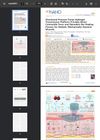
This study developed a directional pressure-pump hydrogel delivery platform that enhances wound healing in diabetic mechanically dynamic wounds by targeting antibacterial agents and nanozymes directly to the lesion site, disrupting biofilms, mitigating tissue damage, and supporting proper skin closure and vascular remodeling in animal models.
This study found that bursts of ERK activation in the epidermis of mice were linked to cell division, supporting synchronized cell proliferation and transient ERK activity in living tissues.
August 2026 in “Materials & Design” This study developed a multifunctional 3D-printed hydrogel scaffold, SH-EGCG, that showed promising results for repairing infected diabetic wounds; in lab and animal tests, it demonstrated antibacterial activity, enhanced wound healing, and improved tissue regeneration and remodeling through various supportive mechanisms.
209 citations
,
October 2008 in “The Journal of Pathology” This review discusses the niches supporting adult stem cells in various organisms, including well-studied germline niches and the less understood mammalian niches, but it reports no new research findings.
86 citations
,
January 2021 in “Gland Surgery” This review article found no concrete evidence supporting the existence of "silicone implant illness" as a new syndrome, despite the association of various symptoms with breast implants which are considered safe according to current evidence.
35 citations
,
February 2024 in “Science Advances” This study introduces a magnet-assisted fabrication strategy for creating complex 3D soft bioscaffolds, demonstrating its effectiveness by producing structures with overhangs and supporting biohybrid actuators, promising advancements in biomedical applications.
 December 2025 in “VNU Journal of Science Medical and Pharmaceutical Sciences”
 This review synthesizes evidence supporting the efficacy of PRP in dermatological conditions like wound healing and alopecia, but emphasizes the need for standardized protocols and larger randomized controlled trials.
 September 2016 in “Journal of thoracic and cardiovascular surgery/The Journal of thoracic and cardiovascular surgery/The journal of thoracic and cardiovascular surgery”
 This article discusses advancements in heart tissue engineering, emphasizing the importance of environmental signals for cardiomyocyte survival and growth, but reports no new clinical findings.
6 citations
,
May 2000 in “Pediatric Dermatology” This article discusses a case study supporting the reclassification of KID syndrome as an ectodermal dysplasia, introducing a potential treatment combination that may alleviate symptoms in affected patients.
 July 2024 in “Frontiers in Bioengineering and Biotechnology”
 In this mouse study, the researchers found that cryopreserving nanofat at -20°C maintained its viability and regenerative potential, comparable to freshly generated nanofat, supporting its potential for repeated use in regenerative applications.
 31 citations
,
July 2017 in “Stem cell investigation”
31 citations
,
July 2017 in “Stem cell investigation” This article discusses the use of platelet-rich plasma as a supportive treatment for hair loss, emphasizing its potential to enhance hair follicle health and patient satisfaction, but reports no new clinical results.
11 citations
,
February 2018 in “Oncotarget” This study observed that reduced activation of SMAD2/3 proteins in cutaneous squamous cell carcinoma tissue compared to adjacent tissue may indicate a tumor suppressor role in disease progression.
April 2023 in “Cancer Research” This study demonstrated that human plucked hairs can be used as a valuable biomarker to evaluate the pharmacodynamic responses of various chemotherapy agents ex vivo, supporting their potential use for assessing oncology drug target engagement prior to clinical studies.
May 2013 in “Zhonghua miniao waike zazhi” This study found that hair follicle stem cells show good biocompatibility with a heterogeneous bladder acellular matrix in vitro and in vivo, supporting potential use in bladder repair.