 6 citations
,
July 2022 in “Biomedical Signal Processing and Control”
6 citations
,
July 2022 in “Biomedical Signal Processing and Control” This study presents a new hair removal algorithm for dermatoscopic images of skin lesions that improves hair detection accuracy by 2–7% and hair repair accuracy by 2–5% on average, using advanced techniques like maximum variance fuzzy clustering, Criminisi priorities, and the ant colony algorithm.
6 citations
,
July 2025 in “Advanced Materials” This review discusses cell membrane-coated scaffolds in tissue engineering, emphasizing their potential to enhance therapeutic outcomes in regenerative medicine and reporting no new experimental results.
4 citations
,
January 2026 in “Micro” This review introduces a framework to integrate bioinspired conductive materials and advanced 3D/4D printing in regenerative medicine for dynamic, responsive tissue regeneration, emphasizing the potential of smart scaffolds to adapt to physiological cues.
3 citations
,
April 2025 in “Science Advances” This study found that mice with a homozygous knockout of the Ten1 gene, developed through CRISPR-Cas9-mediated exon 3 deletion, exhibited telomere shortening and symptoms consistent with accelerated aging, such as reduced lifespan, skin changes, aplastic anemia, and cerebellar hypoplasia.
 2 citations
,
May 2022 in “Cosmetics”
2 citations
,
May 2022 in “Cosmetics” This review explores the potential roles of the gut and skin microbiome in alopecia areata, suggesting topical and systemic strategies for managing the condition, but it reports no new clinical results.
1 citations
,
December 2025 in “Inorganics” This review analyzes the role of silver nanoparticles in wound healing, highlighting their antimicrobial, anti-inflammatory, and tissue-regenerating properties, and emphasizes the need for further research to optimize formulations and ensure safety.
1 citations
,
May 2025 in “Biomolecules” This study examined the latest advances in synthetic biology for increasing microbial production of sesquiterpenol compounds, highlighting innovative strategies to overcome challenges such as low yields and terpenoid-related toxicity, which hinder industrial-scale applications.
1 citations
,
January 2024 in “Fibrosis” This review examines advancements in hydrogel formulations aimed at preventing dermal fibrosis and promoting scarless wound healing, highlighting their role in regulating myofibroblast differentiation and controlling the wound microenvironment.
 1 citations
,
December 2022 in “Pharmaceuticals”
1 citations
,
December 2022 in “Pharmaceuticals” This study found that a sub-fraction of Noni fruit, FEA-3, showed hair growth-promoting effects in a rabbit model of androgenic alopecia, similar to Minoxidil.
1 citations
,
November 2022 in “International journal of molecular sciences” This study found that local injections of fetal tissue mesenchymal stromal cells in mice significantly improved healing and hair follicle density after high-dose radiation-induced skin damage.
 1 citations
,
April 2023 in “International Journal of Molecular Sciences”
1 citations
,
April 2023 in “International Journal of Molecular Sciences” This review discusses advances in CRISPR/Cas9 variants and nanoformulations for cancer treatment, noting challenges and prospects for clinical application, but reports no new research results.
 July 2026 in “Pharmaceuticals”
 This review discusses the potential of marine-derived polysaccharide nanofibers as advanced wound dressings, highlighting their regenerative advantages in addressing inflammation, oxidative stress, and other healing barriers. However, it notes that clinical translation is limited by challenges in standardization, evidence, safety, and production scalability.
February 2026 in “Acta Dermato Venereologica” In this study, a survey in Norway and Sweden among adults with self-reported alopecia areata revealed a substantial economic burden with annual mean costs of €7,677 in Norway and €12,582 in Sweden, largely due to indirect costs from reduced productivity.
December 2025 in “Pharmacological Research - Natural Products” Shrimp extracts may help heal burns and fight bacteria.
November 2025 in “Cosmetics” This review discusses the clinical efficacy, safety, and mechanisms of Autologous Micrografting Technology for androgenetic alopecia, reporting significant short-term improvements in hair density and thickness.
November 2025 in “Preprints.org” This scoping review reports that while empirical evidence suggests an overlap between Long/Post Covid-19 syndrome, chronic fatigue syndrome, and fibromyalgia, the underlying molecular mechanisms remain unclear, highlighting the need for standardized definitions and rigorous methodologies in Long Covid research.
May 2025 in “Drug Delivery and Translational Research” 
In this literature review, it was reported that mental health disorders may both contribute to and be exacerbated by various types of hair loss, and an interdisciplinary treatment model is recommended for effective diagnosis and patient care.
 March 2025 in “Pediatric Rheumatology”
 This study found that clinicians frequently prefer cyclophosphamide over rituximab for induction therapy of childhood-onset systemic lupus erythematosus and ANCA-associated vasculitis, following a high-dose regimen recommended by the NIH.
research Hair
May 2024 in “Australasian Journal of Dermatology” This study assessed the psychosocial impact and disease burden of alopecia areata among adolescents and adults in Australia, finding substantial impacts on physical, emotional, and quality of life overall, with greater disease burden in patients experiencing more extensive hair loss.
 September 2023 in “Nature Communications”
 In this study, the researchers found that rare genetic variants make a minor contribution to male-pattern hair loss risk, identifying five significant gene associations, including novel genes, and noting a shared basis with monogenic hair loss disorders.
 August 2023 in “International Journal of Nanomedicine”
 This study found that a graphene-barium titanate nanosystem can accelerate wound healing by killing bacteria and promoting fibroblast proliferation, demonstrating effectiveness in both Gram-negative and Gram-positive bacteria-infected wounds in mice.
In this study, PDLLA treatment in middle-aged mice was observed to enhance hair growth by increasing macrophage M2 polarization and hair follicle stem cell proliferation, potentially rejuvenating the skin's microenvironment and offering a novel approach for age-related hair loss.
November 2025 in “Bioactive Materials” In this study, researchers developed a DNA/GelMA-based cryogel platform that uses phototherapy to combat MRSA infection and promote scarless wound healing, showing enhanced bactericidal activity, tissue regeneration, and anti-inflammatory effects in vivo, suggesting a promising approach for treating infected skin wounds.
November 2025 in “Bioactive Materials” In this study, researchers developed a novel nucleic acid nanoparticle system incorporating quercetin, which they found enhances functional hair follicle regeneration and maintains epithelial structure stability in androgenetic alopecia by regulating hair follicle stem and dermal papilla cells.
August 2025 in “BMC Genomics” In this study, researchers found distinct gene expression patterns in Standardbred trotters capable of racing barefoot, suggesting a genetic basis for hoof strength and identifying specific genes involved in hoof biology, which could enhance equine performance and wellbeing through targeted genetic research.
 August 2025 in “Drug Design Development and Therapy”
 This review article examines current drugs for androgenetic alopecia, focusing on their mechanisms and clinical efficacy, noting that while finasteride and minoxidil are commonly approved treatments, new drugs targeting different pathogenic pathways have emerged, offering a broader understanding and reference for AGA treatment options.
June 2025 in “Molecular Therapy — Nucleic Acids” In this study, researchers identified a specific DNA aptamer, Ap.OR2AT4.17, that effectively prolonged hair growth and increased hair shaft elongation in organ-cultured human hair follicles by targeting the olfactory receptor OR2AT4. This finding suggests the aptamer's potential as a novel therapy for hair loss disorders.
 June 2024 in “International Journal of Nanomedicine”
 This review outlines recent progress in CRISPR/Cas9 genome editing, discussing its structure, mechanisms, and the use of genetic, chemical, and physical strategies to enhance precision and reduce off-target effects despite some persistent challenges for clinical application.
 April 2024 in “Journal of translational medicine”
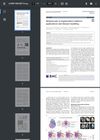
 This review highlights the diverse roles of melanocytes in pigmentation, immunity, and hearing among other functions, their involvement in disorders, and their emerging potential in regenerative medicine, including applications in disease modeling and therapy development using advanced technologies.