 January 2026 in “Frontiers in Natural Products”
 This study found that combining shikimic acid with Prunus mume fruit extract significantly reduces type I 5α-reductase levels in testosterone-stressed skin sebocytes, surpassing the effects of shikimic acid or standard acne treatments alone, and shows promise for stable, non-irritating acne remedies in cosmetic formulations.
 January 2025 in “Dialnet (Universidad de la Rioja)”
 In this multicenter study, adipose-derived stem cell-enriched fat grafting achieved higher satisfaction and better clinical outcomes compared to platelet-rich plasma and hyaluronic acid filler in aesthetic interventions.
 336 citations
,
August 2015 in “European Journal of Epidemiology”
336 citations
,
August 2015 in “European Journal of Epidemiology” This article reviews the design and objectives of the Rotterdam Study, as well as summarizes major findings, without reporting new results.
 109 citations
,
November 2004 in “Lupus”
109 citations
,
November 2004 in “Lupus” This article reviews the current ACR classification criteria for systemic lupus erythematosus, highlighting their dermatologic limitations, and proposes guidelines for a study to update these criteria.
 26 citations
,
August 2020 in “Dermatology Research and Practice”
26 citations
,
August 2020 in “Dermatology Research and Practice” This review discusses the various skin manifestations and problems related to COVID-19 and associated treatments, but it reports no new clinical findings.
 2 citations
,
May 2021 in “Scientific Reports”
2 citations
,
May 2021 in “Scientific Reports” In this study, researchers found that stress likely triggers symmetrical alopecia in Formosan macaques in Mt. Longevity, Taiwan, with higher stress hormone levels associated with the condition.
 October 2025 in “Clinical Cosmetic and Investigational Dermatology”
 This study synthesizes knowledge of how dendritic cell signals, epithelial integrins, and fibroblast activity converge on TGF-β1 to maintain or disrupt skin healing, contrasting normal and fibrotic scar formation and suggesting possible integrin and immune-targeted treatments for skin fibrosis.

This study found that a combination of photoprotector and nighttime formulations with essential oils improved skin barrier function and structural characteristics in young men's oily, acne-prone, and photoaged skin.
 27 citations
,
May 2010 in “Dermatologic Clinics”
27 citations
,
May 2010 in “Dermatologic Clinics” This review discusses the use of zinc in treating dermatological conditions and concludes that, aside from systemic zinc deficiency, its efficacy as a primary treatment is unproven, though it may be useful as a supplementary therapy.
 February 2026 in “Eduvest - Journal Of Universal Studies”
 This review discusses the molecular mechanisms and therapeutic effectiveness of Janus Kinase Inhibitors for inflammatory skin diseases, suggesting these inhibitors have a rapid onset and favorable safety profile compared to conventional treatments.
 4 citations
,
June 2013 in “The Journal of Rheumatology”
4 citations
,
June 2013 in “The Journal of Rheumatology” This abstract describes a program with various presentations and events focused on Canadian excellence in rheumatology but reports no new research findings.
4 citations
,
April 2022 in “Microorganisms” In this study, clinically used preoperative skin preparations with povidone iodine and chlorhexidine gluconate did not meet FDA log-reduction standards for bacterial bioburden in a porcine model, suggesting persistent infection risks.
114 citations
,
February 2023 in “International Journal of Molecular Sciences” This review discusses the relationship between skin microbiome changes and conditions such as ageing and skin disease, emphasizing the need for further research, but reports no new findings.
51 citations
,
October 2024 in “Pharmaceutics” This review highlights the potential of permeation enhancers to improve the delivery of active ingredients across the skin, optimizing therapeutic outcomes despite challenges posed by individual variability and environmental factors, according to the authors' analysis of current understanding and applications in skincare and transdermal therapies.
November 2025 in “Dermato” In this review, researchers synthesized contemporary findings about the human skin microbiome's influence on conditions like acne, aging, and hyperpigmentation, highlighting the potential of microbiome-informed strategies and treatments such as postbiotics and probiotics to improve dermatological outcomes.

This review explores the potential of regenerative cosmetics, specifically engineered skin tissues, for rejuvenating aging skin, healing wounds, and restoring hair, offering promising alternatives to traditional dermocosmetic treatments by promoting collagen production, reducing wrinkles, and regenerating hair follicles.
 December 2022 in “Journal of neurodevelopmental disorders”
 This study observed that repeated hair follicle sampling is feasible and reliable for measuring FMR1 mRNA and FMRP in individuals with Fragile X syndrome, supporting its use in longitudinal studies.
 January 2021 in “Dermatology Research and Practice”
 This study will explore skin and hair characteristics of pregnant women and their newborns, examining the relationships between these factors and the newborns' skin maturation over time.
February 2026 in “Advanced Sensor Research” In this review, researchers examined advanced sensing technologies and bioelectronic interfaces that could improve understanding of the skin–brain axis, highlighting challenges and strategies for integrating these platforms into models for studying skin and neural interactions.
January 2026 in “Animals” This study researched the dun coat color in Mongolian horses, finding that variations in TBX3 expression in different skin areas are linked to Bider markings, suggesting TBX3's role in this specific pigment pattern, while further investigation is needed on its regulation.
December 2025 in “Pharmaceutics” This review highlights new perspectives in genomics and epigenomics for skin rejuvenation, comparing innovative strategies like senolytics and DNA repair modulators with classical treatments, and emphasizing the importance of tailoring therapies using individual genomic profiles for personalized anti-ageing approaches.
September 2025 in “Journal of Applied Biological Chemistry” In a laboratory study, Grateloupia elata extract demonstrated antioxidant and anti-aging effects by scavenging free radicals, inhibiting collagenase and elastase, increasing procollagen production, and reducing MMP-1 secretion, suggesting its potential use in functional cosmetics.
 August 2025 in “Current Issues in Molecular Biology”
 This study demonstrated that Periplaneta americana extract significantly promoted hair regeneration in depilated mice by enhancing superoxide dismutase activity, upregulating vascular endothelial growth factor, modulating the FOXO/PI3K/AKT pathway, and restoring skin microbiome balance, suggesting its potential as a novel therapeutic candidate for alopecia.
 May 2024 in “Proteome science”
 This study found that the PLEE method increased hair protein extraction efficiency threefold and that bleaching hair reduced the coverage of keratin and associated proteins, leading to poorer hair quality, though it did not affect the overall protein identification.
91 citations
,
August 2024 in “Acta Pharmaceutica Sinica B” This review explores how microneedles can improve the delivery of dermatological treatments by bypassing the skin's outer barrier, discussing their potential use in managing skin diseases, cosmetic applications, and challenges related to clinical adoption.
30 citations
,
December 2014 in “BMC Genetics” This study found thousands of differentially expressed genes and proteins that may be associated with wool growth, suggesting potential gene families involved in hair growth regulation.
1 citations
,
May 2025 in “Frontiers in Veterinary Science” This study suggests that recombinant Lumpy Skin Disease Virus strains pose a severe threat to yaks in the Qinghai-Tibet Plateau, causing high mortality and emphasizing the need for targeted control strategies.
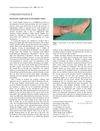 May 2002 in “British Journal of Dermatology”
 A pregnant woman's skin condition improved after giving birth, possibly due to high estrogen levels during pregnancy.
 September 2023 in “Stem cell reviews and reports”
 This study introduces a new method to isolate stem cells from the hair follicle outer root sheath of equine skin, demonstrating that these cells, named eMSCORS, proliferate efficiently and can differentiate similarly to adipose tissue-derived MSCs, offering a promising alternative for equine veterinary applications.
 April 2024 in “REVISTA INTERDISCIPLINAR CIÊNCIAS MÉDICAS”
 In this study, 41% of participants reported experiencing alopecia post-COVID-19, with notable associations found between the condition and female sex, azithromycin use, and symptoms like fatigue and post-infection skin irritation.