August 2025 in “Biomaterials” In this study, researchers developed a novel therapy using the secretome of human fetal cartilage progenitor cells, which successfully regenerated functional hair follicles in animal models and significantly increased hair regrowth, suggesting potential as a new treatment for androgenic alopecia.
2 citations
,
January 2009 in “Human cell culture” 32 citations
,
July 2017 in “Oncotarget” This study found that intermittent treatment with FTI lonafarnib and sulforaphane may be a promising therapeutic approach for children with Hutchinson-Gilford progeria syndrome, as it improved the cellular phenotype.
12 citations
,
February 2023 in “Stem Cell Research & Therapy” This study found that injecting hepatocyte growth factor-enhanced hair follicle stem cells into a rat model of ischemic stroke improved recovery by reducing inflammation, protecting the blood-brain barrier, and promoting angiogenesis.
 6 citations
,
October 2014 in “Endokrynologia Polska”
6 citations
,
October 2014 in “Endokrynologia Polska” This study found that hirsutism is more prevalent in Chinese women with PCOS compared to the general population, and the Ferriman-Gallwey score is a good predictor for diagnosing PCOS in this group.
3 citations
,
January 2013 in “Journal of cosmetics, dermatological sciences and applications” This study found that the new HCC additive enhances the permeation of pigments and active ingredients into hair, suggesting potential use in developing functional cosmetic hair products.
 7 citations
,
January 2009 in “Biological & pharmaceutical bulletin”
7 citations
,
January 2009 in “Biological & pharmaceutical bulletin” This study found that applying ferrous ferric chloride skin lotions to newborn mice stimulated skin cell proliferation and differentiation, increased hair growth, and inhibited alopecia-related hair loss.
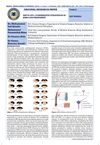 November 2025 in “PARIPEX-INDIAN JOURNAL OF RESEARCH”
 GFC is more effective than PRP for treating hair loss.
 August 2025 in “Advanced Science”
 In this study, corrected data confirmed that AHFS seed microspheres exhibit good biocompatibility with fibroblasts, validating the initial results.
 66 citations
,
November 2001 in “European journal of endocrinology”
66 citations
,
November 2001 in “European journal of endocrinology” This study suggests that decreased SHBG levels and increased FAI, free testosterone, and DHEAS concentrations are effective in diagnosing PCOS in epidemiological studies of women of reproductive age.
 7 citations
,
January 2016 in “Methods in molecular biology”
7 citations
,
January 2016 in “Methods in molecular biology” This study describes the process of isolating and analyzing multipotent stem cells from mouse hair follicles for potential use in tissue engineering and regenerative medicine.
 6 citations
,
May 2021 in “Stem Cell Reviews and Reports”
6 citations
,
May 2021 in “Stem Cell Reviews and Reports” This study identified and characterized progenitor cells from equine feet that may play a role in the pathogenesis and recovery of laminitis, suggesting potential therapeutic targets for treatment.
 2 citations
,
November 2007 in “Hair transplant forum international”
2 citations
,
November 2007 in “Hair transplant forum international” This abstract introduces the concept of follicular units (FUs) in the human scalp but presents no new research findings.
 1 citations
,
December 2023 in “Curēus”
1 citations
,
December 2023 in “Curēus” This study observed that five out of fourteen individuals aged 13-16 years, who were homozygous for the p.C282Y mutation related to hemochromatosis, had increased liver and phlebotomy-mobilized iron levels.
November 2022 in “Journal of Investigative Dermatology” This study generated a transcriptomic map of human hair follicle compartments, providing a database for identifying compartment-specific gene expression which may aid in developing targeted treatments for hair follicle disorders.
 January 2026 in “China National GeneBank DataBase”
 This study found that human hair follicle-derived mesenchymal stem cells demonstrated enhanced wound healing capabilities compared to umbilical cord-derived stem cells in laboratory and animal models.
December 2023 in “Journal of Asia Pacific Aesthetic Sciences” This study found that a novel method of isolating human follicle stem cells from hair follicles via mechanical centrifugation, without culture conditions, promises to improve hair density in patients with Androgenetic Alopecia and some cases of Alopecia Areata.
 18 citations
,
February 2022 in “Cell Death Discovery”
18 citations
,
February 2022 in “Cell Death Discovery” In this study, researchers found that hair follicle-derived mesenchymal stem cells, modified to overexpress extracellular matrix protein 1, significantly improved liver function and reduced liver damage in cirrhotic mice by inhibiting hepatic stellate cell activation and TGF-β/Smad signaling.
1 citations
,
October 2022 in “Current Opinion in Endocrinology, Diabetes and Obesity” This review discusses the diagnosis, management, and clinical challenges of female pattern hair loss in PCOS patients but reports no new clinical findings, highlighting the need for further research and multidisciplinary care.
5 citations
,
April 2021 in “Journal of Academic Research in Medicine” In this study, the free androgen index (FAI) was found to be a reliable marker for diagnosing and monitoring adolescent girls with hyperandrogenism, suggesting clinical reference values for PCOS, obesity, and idiopathic hirsutism.
 June 2025 in “Medical alphabet”
 This study found that the manual hair transplantation method HFE may offer better precision and cosmetically satisfying results with minimal tissue trauma for treating androgenetic alopecia in men.
 June 2025 in “Dermatologic Surgery”
 This study found that growth factor concentrate provides quicker improvements for patterned hair loss, but platelet-rich plasma offers more sustained benefits after treatment.
 7 citations
,
May 2019 in “Journal of the Formosan Medical Association”
7 citations
,
May 2019 in “Journal of the Formosan Medical Association” This study found that overweight women with polycystic ovary syndrome carrying the HSD3B1 1245C allele had an increased presence of female pattern hair loss compared to those with the wild-type genotype.
45 citations
,
May 2022 in “Biomedicines” This review discusses using human follicular fluid in metabolomic analysis as a diagnostic tool and predictor of success in assisted reproductive technology for PCOS patients, reporting no new results.
 7 citations
,
February 2025 in “Stem Cell Research & Therapy”
7 citations
,
February 2025 in “Stem Cell Research & Therapy” In a study using a mouse model, HF-MSCs were reported to enhance ovarian function in cyclophosphamide-induced premature ovarian failure more effectively than HU-MSCs, potentially by preventing ferroptosis in granulosa cells via the KEAP1/NRF2/HO-1 pathway.
 March 2022 in “Indian Journal of Animal Research”
 In this study, canine hair follicle stem cells were shown to be multipotent, capable of differentiating into various cell types like adipocytes in vitro.
 10 citations
,
June 2010 in “Fertility and Sterility”
10 citations
,
June 2010 in “Fertility and Sterility” In this study, patients with polycystic ovary syndrome self-reported higher hirsutism scores compared to clinician assessments, but only clinician scores correlated with biochemical markers of hyperandrogenism.
 April 2017 in “Journal of Investigative Dermatology”
 In this study, HPH-15, a newly synthesized compound, demonstrated potential in reducing skin fibrosis in a mouse model by targeting underlying pathogenic mechanisms and exhibited a good safety profile, warranting further clinical trials for fibrotic skin disorders like systemic sclerosis.
 4 citations
,
January 2016 in “International journal of reproduction, contraception, obstetrics and gynecology”
4 citations
,
January 2016 in “International journal of reproduction, contraception, obstetrics and gynecology” This study found that the FSHR Ser680Asn (rs6166) gene polymorphism is associated with an increased risk of PCOS in the examined population and could serve as a molecular biomarker for identifying risk.
 November 2022 in “The journal of investigative dermatology/Journal of investigative dermatology”
 This study generated a transcriptomic map of human hair follicles, identifying compartment-specific gene expression profiles that can aid in developing targeted therapies for hair follicle disorders.