October 2025 in “Bioactive Materials” This review highlights the potential of microneedle technology in traditional Chinese medicine as a promising transdermal delivery system for skin diseases, showcasing improved efficacy and reduced side effects of TCM ingredients while discussing the challenges of its clinical application.
 October 2025 in “Pharmaceutics”
 This study highlights the clinical potential of microneedles as an innovative transdermal drug delivery system for treating various skin diseases with minimal pain and high patient compliance.
September 2025 in “Obstetrics and gynecology.” This review examines the pathophysiology of PCOS and reports that myoinositol may improve menstrual regularity, insulin sensitivity, and reproductive outcomes, with comparable efficacy to metformin and often better tolerability.
August 2025 in “Biomolecules” This review discusses the potential topical benefits of cannabidiol in dermatology and cosmetics, highlighting its diverse effects and therapeutic roles but reports no new clinical results, emphasizing the need for further research.
July 2025 in “Nano Research” This review highlights the application of microneedle technology as a promising advancement in psoriasis management, focusing on its roles in enhanced transdermal drug delivery and minimally invasive biomarker monitoring, while also discussing current challenges and future research directions.
In this study, perilla seed extract obtained through supercritical fluid extraction was found to promote hair follicle cell proliferation and downregulate key genes linked to androgenetic alopecia, showing potential as a natural treatment for hair loss in vitro.
 June 2025 in “Journal of Cluster Science”
 This review explores the potential of metal nanoparticles as innovative treatments for alopecia, highlighting their effectiveness in promoting hair regrowth, enhancing drug delivery, and modulating gene expression while also assessing the related experimental methodologies and regulatory considerations.
 June 2025 in “Clinical Cosmetic and Investigational Dermatology”
 This study examined the factors contributing to gray hair, such as genetics and lifestyle, and found that while graying correlates with some health conditions, it is primarily a physiological process rather than a pathological one.
 March 2025 in “Stem Cell Research & Therapy”
 This study found that microneedles containing magnetic intracellular vesicles and tremella polysaccharide improved the hair microenvironment and accelerated hair regeneration in mice with androgenic alopecia.
 February 2025 in “Animals”
 This study found that senior dogs fed amino acid-complexed and lysine-glutamic acid-complexed trace minerals had longer, faster-growing hair and increased activity compared to those fed inorganic trace minerals.
 November 2024 in “Applied Sciences”
 This study suggests that while some evidence indicates potential efficacy of placental products for hair growth and inhibiting hair loss, the current scientific evidence is scarce and of low quality.
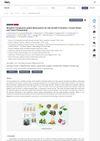
This review highlights various plant-based and herbal treatments that reportedly help prevent hair loss and encourage hair growth. It also explores the molecular mechanisms, identified plant compounds, recent technologies such as nanoarchitectonics, and patents related to hair growth promotion.
 October 2023 in “Biomaterials”
 This review highlights the potential of nanotechnology for hair follicle regeneration, focusing on strategies such as hair cycle modulation, progenitor cell stimulation, and wound-induced hair neogenesis, while also discussing regulatory challenges that may affect the development of these innovative approaches.
 September 2023 in “Stem Cells International”
 This study using human and animal models found that adipose-derived stem cell exosomes promoted hair growth and counteracted dihydrotestosterone's inhibitory effects, suggesting potential therapeutic applications for androgenetic alopecia.
 January 2022 in “Sustainable development goals series”
 The document concludes that significant investment in agricultural innovation is necessary to achieve global food security and nutrition.
July 2012 in “International Journal of Trichology” This article discusses various aspects of hair and scalp health, ancient philosophical perspectives on hair, and causes of hair disorders in children, without reporting new clinical results.
May 2004 in “Biochimica et Biophysica Acta (BBA) - Molecular Basis of Disease” This study found that dietary vitamin E influenced gene expression in rat livers, altering genes related to metabolism, coagulation, and steroid processing, and confirmed its effects on related biological endpoints.
618 citations
,
January 2018 in “Cochrane Database of Systematic Reviews” This study reported that selenium supplements do not reduce cancer risk and may increase the risk of type 2 diabetes and high-grade prostate cancer, while observational studies suggest mixed associations between selenium exposure and cancer incidence.
382 citations
,
February 2010 in “Archives of Internal Medicine” This study identified that high concentrations of selenium in a liquid dietary supplement caused a widespread outbreak of poisoning, revealing the importance of stricter manufacturing standards.
241 citations
,
January 2001 in “Reviews on Environmental Health” This review discusses the various adverse health effects of chronic selenium exposure in humans, including effects on endocrine and immune function, and suggests current exposure limits may be insufficient.
 127 citations
,
March 2004 in “Gynecologic oncology”
127 citations
,
March 2004 in “Gynecologic oncology” This study concluded that selenium supplementation for ovarian cancer patients during chemotherapy may have several beneficial effects, such as increased antioxidant enzyme activity, reduced chemotherapy-related symptoms, and higher selenium levels in serum and hair.
126 citations
,
November 1987 in “The Journal of Pediatrics” This study reports that selenium deficiency in children on long-term total parenteral nutrition may lead to symptoms like erythrocyte macrocytosis and skin and hair depigmentation, which improved with selenium supplementation.
93 citations
,
March 2014 in “Cochrane Database of Systematic Reviews” This review concludes that although observational studies suggest a potential inverse association between selenium exposure and cancer risk, randomized trials show no convincing evidence that selenium supplements prevent cancer in humans and may indicate harmful effects.
79 citations
,
April 1996 in “JAMA” This article describes a case of selenium poisoning in a 36-year-old man who experienced hair loss, nail changes, and paresthesias after taking selenium-containing vitamin tablets.
 78 citations
,
December 2011 in “Clinical toxicology”
78 citations
,
December 2011 in “Clinical toxicology” This study describes a case series of nine patients experiencing symptoms of selenium toxicity after consuming a liquid dietary supplement with an excess amount of selenium.
76 citations
,
April 2002 in “Urology” This review examines the use of selenium and vitamin E supplements for reducing prostate cancer risk, finding mixed evidence that suggests benefits may be limited to individuals with specific risk factors, like low baseline levels or smoking history, rather than broadly applicable.
71 citations
,
June 2008 in “Annals of Internal Medicine” This article describes a case of selenosis linked to excessive selenium in a nutritional supplement that led to a product recall due to toxicity concerns.
 61 citations
,
May 2010 in “Integrative Cancer Therapies”
61 citations
,
May 2010 in “Integrative Cancer Therapies” This review discusses the potential benefits and risks of selenium in cancer prevention and treatment, emphasizing that while selenium may offer advantages for tumor patients, further research is needed due to mixed findings regarding diabetes risk.
55 citations
,
February 1990 in “Journal of Nutrition” This study observed that selenium retention in rat hair and nails was influenced by the chemical form of dietary selenium and methionine status, suggesting caution when using these tissues to assess selenium status.
 49 citations
,
February 2020 in “Scientific reports”
49 citations
,
February 2020 in “Scientific reports” In this study, the Selenium-Chitosan-Mupirocin nanohybrid system significantly enhanced wound healing in a rat model of diabetic wound infection compared to the control, suggesting potential for treating mild diabetic wounds.