20 citations
,
January 2002 in “Laboratory Animals” This study identified a compound heterozygous mutation in a hairless rhesus macaque, which was associated with skin abnormalities similar to those in hairless mice and humans with APL.
 September 2024 in “Journal of the American Academy of Dermatology”
 In this prospective, placebo-controlled study, the researchers observed a significant reduction in hair shedding in women after applying the combined topical treatment DA-OTC-002, containing synephrine and TAAR agonists, compared to placebo, showing a 62.5% average reduction with no reported adverse events.
June 2025 in “Journal of Drug Delivery Science and Technology” A dissolving microneedle patch with dutasteride offers effective, long-lasting hair loss treatment with fewer side effects.
7 citations
,
July 2023 in “Immunotherapy” Ritlecitinib works well and is safe for treating alopecia areata.
 November 2023 in “Translational Medicine Communications”
 In this study, researchers found that Derinat, a TRPCs inhibitor, reduced oxidative stress and prolonged the anagen phase of hair growth in mice, supporting its potential as a therapy for androgenetic alopecia by improving clinical outcomes and enhancing quality of life for those affected.
 20 citations
,
March 2019 in “Nutrients”
20 citations
,
March 2019 in “Nutrients” This study found that Rumex japonicus extract may help reduce symptoms of atopic dermatitis by inhibiting inflammatory responses in both cell cultures and a mouse model.
October 2024 in “Developmental Dynamics” This paper highlights advances in Developmental Dynamics, noting how epoa-deficient zebrafish can model Diamond-Blackfan anemia like disorders for drug screening, Alx4 mouse models offer insights into craniofacial development, and mTORC1 signaling is crucial for retinal development.
8 citations
,
March 2011 in “Endocrine” In this study, researchers identified a novel p.R50X mutation in the vitamin D receptor gene, linked to hereditary vitamin D-resistant rickets in two siblings.
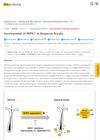
In this mouse model study, researchers observed that RIPK1 inhibitors delayed the onset of alopecia areata by modulating immune cells, specifically dendritic and CD8+ T cells, and increased hair length in organ culture mimicking the condition.
5 citations
,
December 2023 in “Current Biology” A feedback loop between LRH and RSL4 controls root hair growth in Arabidopsis.
 July 2021 in “Clinical case reports and studies”
 In this case report, a 9-year-old boy with diffuse alopecia areata showed improvement with topical diphencyprone immunotherapy, suggesting it as a safe and effective treatment option in pediatric cases of alopecia areata resistant to other therapies.
 7 citations
,
January 1989 in “Leprosy Review”
7 citations
,
January 1989 in “Leprosy Review” This report describes a woman with borderline lepromatous leprosy who developed a serious skin reaction to dapsone; she recovered quickly after stopping dapsone and receiving corticosteroids.
 December 2018 in “Actas urológicas españolas”
 This study reported that cognitive biopsy diagnosed prostate cancer in 44% of patients with at least one previous negative biopsy, with higher detection rates in lesions classified as PI-RADS 4 and 5.
 17 citations
,
February 2009 in “Journal of Ethnopharmacology”
17 citations
,
February 2009 in “Journal of Ethnopharmacology” This study found that Asiasari radix extract may reduce hyperalgesia in mice by modulating NMDA and GABAA receptor activities without affecting cyclooxygenase activity.
January 2023 in “The Egyptian Journal of Hospital Medicine” This review discusses the use of dutasteride for treating androgenetic alopecia and reports no new clinical results.
December 2025 in “The Journal of Dermatology” This study reported that ritlecitinib effectively improved hair regrowth in JAK inhibitor-naïve adolescent patients with severe alopecia areata, achieving significant reductions in SALT scores within 24 weeks, but was less effective for patients who had previously been treated with baricitinib.
 July 2025 in “SKIN The Journal of Cutaneous Medicine”
 In this case study, a 64-year-old female with breast cancer undergoing ADC therapy experienced significant hair regrowth using oral minoxidil, suggesting its potential as a treatment for ADC-induced alopecia.
September 2022 in “Journal of The American Academy of Dermatology” In this study, the authors highlight the potential of intradermal microinjections of dutasteride as an adjunctive therapy for androgenetic alopecia, though they note that information on its effectiveness remains limited.
April 2023 in “Journal of Investigative Dermatology” CD206+ macrophages are crucial for hair growth in alopecia areata treatment.
16 citations
,
July 2001 in “Dermatologic Clinics” This article reviews the dermabrasion resurfacing technique and details consultation, medication, management practices, and expected outcomes, but it does not present any new clinical data.
 April 2020 in “Archivos españoles de urología”
 This study found that administering dutasteride did not change spermatogenesis or oxidative stress levels in rat testes, though further research is needed to confirm these findings.
January 1993 in “Claves de razón práctica” This study found that ROR2 plays a crucial role in the regulation of hair follicle stem cell self-renewal and maintenance, particularly by compensating for the absence of β-catenin.
43 citations
,
April 2011 in “AJP Endocrinology and Metabolism” This study found that androgens increase Odc1 expression in skeletal muscle myoblasts, promoting proliferation and delaying differentiation.
 4 citations
,
April 2020 in “Dermatology practical & conceptual”
4 citations
,
April 2020 in “Dermatology practical & conceptual” This review outlines the practical use of reflectance confocal microscopy in dermatology, detailing its applications and considerations for diagnosing various skin conditions, but reports no new findings.
 6 citations
,
November 2017 in “Scientific reports”
6 citations
,
November 2017 in “Scientific reports” This study found that a novel R343H mutation in the vitamin D receptor gene impairs its transcription activity, contributing to hereditary vitamin D-resistant rickets and alopecia in the affected family.
 January 2019 in “Oncogen”
 This report suggests that for prostate cancer patients with cardiovascular disease, prescribing the GnRH antagonist degarelix may reduce cardiac events compared to using GnRH agonists, although prescribing should consider potential cardiac risks, particularly in patients with pre-existing conditions or older age.
 April 2018 in “Journal of Investigative Dermatology”
 This study found that terminally differentiated effector memory Vδ1T-cells and their cytotoxic activation markers were elevated in alopecia areata patients, suggesting these cells may contribute to its early pathogenesis.
 December 2025 in “Dermatology The American Medical Journal”
 In this conference session, experts reviewed clinical evidence and strategies for using JAK inhibitors in managing alopecia areata, emphasizing optimal treatment practices and individual patient considerations to enhance safety and effectiveness in real-world settings.
 March 2023 in “Translational Andrology and Urology”
 This review discusses the pharmacology of 5-alpha reductase inhibitors, their expanding clinical indications beyond benign prostatic hyperplasia, and notes unresolved claims about their potential role in SARS-CoV-2.