 November 2021 in “Research, Society and Development”
 This review covers different treatment options for alopecia areata and androgenetic alopecia and emphasizes individualized treatment plans, combining pharmacological therapy with psychological support; no new clinical results are reported.

This study found that the ethanolic extract of Guazuma ulmifolia, or mutamba, showed only intermediate levels of phenolic compounds and low antioxidant activity in laboratory tests, suggesting limited potential in alleviating oxidative stress conditions like cancer or cardiovascular diseases.
 August 2014 in “Warwick Research Archive Portal (University of Warwick)”
 This study found that obesity in women may impair endometrial stromal function and contribute to reproductive complications, possibly due to metabolic influences rather than immune cell differences.
 January 2014 in “HAL (Le Centre pour la Communication Scientifique Directe)”
 This review provides an update on sex hormone-associated dermatoses in dogs, detailing known conditions like feminization syndrome and exploring less understood issues such as alopecia X, without presenting new clinical findings.
 March 2014 in “Journal of The American Academy of Dermatology”
 Cortexolone 17a-propionate may be an effective new treatment for hair loss.
7 citations
,
January 2025 in “Journal of Medicinal Chemistry” This study identified orally available itaconate derivatives that improve cellular permeability and bioavailability, with specific POC-based prodrugs showing significant inhibition of inflammatory cytokines in human epidermal keratinocytes and favorable oral pharmacokinetics, highlighting their potential for treating systemic and skin disorders.
 48 citations
,
June 2013 in “Journal of Dermatological Science”
48 citations
,
June 2013 in “Journal of Dermatological Science” This study found that valproic acid promoted human hair growth by increasing β-catenin levels, suggesting it may be a potential therapeutic option for alopecia.
 January 2017 in “Nasza Dermatologia Online”
 This study found that both new and old formulas of DCP for treating alopecia areata resulted in similar hair regrowth, but tolerance was significantly better with DCP in isopropanol.
 June 2024 in “Journal of Ayub Medical College Abbottabad”
 This study concluded that adding 5% topical Procapil to PRP therapy provided better outcomes for androgenetic alopecia than PRP alone, as assessed by dermatologist evaluations and patient satisfaction.
October 2017 in “Our Dermatology Online” This study reports that while DCP had similar treatment efficacy in propylene glycol and isopropanol for alopecia areata, the formulation in isopropanol was better tolerated.
 15 citations
,
November 1994 in “International Journal of Dermatology”
15 citations
,
November 1994 in “International Journal of Dermatology” This study found that while the combination of oral propranolol and intradermal injections in guinea pigs led to psoriasiform changes, it did not fully mimic psoriasis.
10 citations
,
June 2019 in “Dermatologic therapy” In this study, treatment with DPCP alone was more effective for hair regrowth and presented fewer side effects in chronic extensive alopecia areata compared to combination therapy with DPCP and anthralin.
 January 2022 in “Gastro Hep advances”
 This case report describes a woman diagnosed with Cronkhite-Canada syndrome whose gastrointestinal symptoms and alopecia improved significantly after systemic prednisone treatment, with no recurrence four years after a second treatment course.
July 2024 in “Journal of Investigative Dermatology” Brepocitinib improves cicatricial alopecia and reduces key immune markers.
December 1951 in “Journal of the American Medical Association” This article reports a case of hair loss and pigmentation changes in a man after using propylthiouracil alongside iodine solution for thyroid and diabetic conditions, providing clinical observations without broader conclusions.
13 citations
,
January 2010 in “Immunopharmacology and immunotoxicology” This study found that increased Bcl-2 protein expression after DPCP treatment was associated with hair regrowth in alopecia areata patients, suggesting its role in inhibiting apoptosis.
17 citations
,
October 2024 in “Journal of the American Academy of Dermatology” In this study, brepocitinib was found to significantly reduce inflammatory biomarker CCL5 expression and improve clinical severity by week 24, while maintaining a favorable safety profile.
 5 citations
,
December 2011 in “Drug Research”
5 citations
,
December 2011 in “Drug Research” This study found that cortexolone 17α-propionate showed strong topical antiandrogenic activity, outperforming progesterone and several known antiandrogens, but lacked systemic antiandrogenic effects in animal models.
 2 citations
,
December 2022 in “PNAS nexus”
2 citations
,
December 2022 in “PNAS nexus” In laboratory experiments, this study found that the topical prodrug SCD-153, a derivative of 4-methyl itaconate, reduced inflammation-related gene expression and induced significant hair growth in mice, suggesting it as a promising treatment candidate for alopecia areata.
 November 2021 in “Revista Ibero-Americana de Humanidades, Ciências e Educação”
 This paper evaluates the therapeutic response of androgenetic alopecia to topical application of specific compounds using digital drug delivery but reports no new clinical results.
 January 2024 in “Archives of Biological Sciences (Beograd)”
 This study found that AP collagen peptides can promote hair growth by supporting the health of hair follicle cells, as they stimulate cell proliferation, counteract apoptosis, and enhance antioxidant enzyme expression, suggesting potential as a treatment for hair loss.
 4 citations
,
April 2018 in “Journal of Investigative Dermatology”
4 citations
,
April 2018 in “Journal of Investigative Dermatology” This study suggests that hydroxypinacolone retinoate (HPR) may be an effective alternative to tretinoin for anti-aging skin treatments, offering similar collagen production benefits without increased skin irritation.
 85 citations
,
April 2012 in “PLOS ONE”
85 citations
,
April 2012 in “PLOS ONE” This study found that valproic acid promoted hair re-growth in C3H mice by activating the Wnt/β-catenin pathway, suggesting its potential as a treatment for alopecia.
24 citations
,
December 2011 in “International Journal of Cancer” This study found that the collagen-binding fusion protein PTH-CBD significantly improved hair regrowth and follicle health in mice after chemotherapy, suggesting potential as a therapy for chemotherapy-induced alopecia.
 32 citations
,
January 2000 in “Skin pharmacology and physiology”
32 citations
,
January 2000 in “Skin pharmacology and physiology” In this study, procyanidin B-2 and C-1 were found to promote hair growth by selectively inhibiting protein kinase C, supporting their potential use for hair-growing activity.
3 citations
,
July 2023 in “International Journal of Trichology” This study found that treatment with diphenylcyclopropenone led to more than 75% hair regrowth in 33.3% of patients with alopecia totalis or alopecia universalis, despite notable side effects.
2 citations
,
November 2011 in “Current psychiatry”  20 citations
,
September 2013 in “Anti-Cancer Drugs”
20 citations
,
September 2013 in “Anti-Cancer Drugs” In this study, PTH-CBD effectively prevented and partially reversed chemotherapy-induced alopecia in mice, with pretreatment offering a better cosmetic outcome compared to therapeutic administration after hair loss onset.
 4 citations
,
December 2001 in “Endoscopy”
4 citations
,
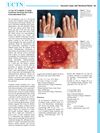
December 2001 in “Endoscopy” In this case study, administration of prednisolone and Bactrim for a woman with Cronkhite-Canada syndrome led to the cessation of diarrhea, increased serum protein, and improvement in hyperpigmentation and hair regrowth.
January 2007 in “Journal of Clinical Dermatology” This study found that the new cytopurine/pentadecanoic glyceride topical solution significantly improved total hair count and reduced daily hair shedding in patients with androgenetic alopecia over 16 weeks, although other measures did not differ from placebo.