 13 citations
,
April 2019 in “American Journal of PharmTech Research”
13 citations
,
April 2019 in “American Journal of PharmTech Research” In this study, researchers highlighted that emulgels, a combination of emulsions and gels, offer a novel topical delivery method for hydrophobic drugs, possessing attributes such as easy spreadability and bio-friendliness, making them suitable for conditions like acne, fungal infections, and psoriasis.
January 2016 in “Frontiers in Bioengineering and Biotechnology” In this study, a porous keratin hydrogel derived from wool hair demonstrated strong mechanical properties and supported the growth of various animal cells, indicating potential as a scaffold in tissue engineering.
 23 citations
,
July 2021 in “International Journal of Pharmaceutics”
23 citations
,
July 2021 in “International Journal of Pharmaceutics” This study describes the development of microneedle array patches for finasteride that released the drug over 7 to 14 days in vitro, suggesting a potential alternative to oral treatments for long-term management of benign prostatic hyperplasia and androgenic alopecia.
5 citations
,
April 2024 in “Science China Materials” 8 citations
,
June 2024 in “Pharmaceutics” This study found that using elastic nano-liposomes to deliver palmitoylethanolamide improved its transdermal delivery and enhanced its skincare effects, with minimal cytotoxicity and no allergic reactions observed.
 21 citations
,
December 2012 in “European journal of pharmaceutics and biopharmaceutics”
21 citations
,
December 2012 in “European journal of pharmaceutics and biopharmaceutics” This study suggests that using particle-bound antiseptics may provide more effective and longer-lasting skin antisepsis compared to their non-particulate forms.
12 citations
,
January 2018 in “Pharmacology & pharmacy” This study found that components derived from Uromedic® pumpkin seeds, especially Δ7-sterols, may inhibit DHT production and AR binding, potentially benefiting prostate and bladder health by moderating these mechanisms.
6 citations
,
May 2024 in “Macromolecular Bioscience” This study synthesized a temperature-sensitive hydrogel with strong antibacterial capabilities against S. aureus and E. coli, demonstrated via in vitro and in vivo tests, suggesting potential for antibiotic-free clinical applications when activated by near-infrared light.
14 citations
,
August 2020 in “Journal of cosmetic dermatology” This consensus report provides detailed recommendations for using Polynucleotides Highly Purified Technology™ in aesthetic skin rejuvenation, highlighting its potential as a biostimulatory booster for face and body revitalization.
 26 citations
,
March 2013 in “Journal of Biomedical Materials Research Part A”
26 citations
,
March 2013 in “Journal of Biomedical Materials Research Part A” This study demonstrated that PEGDA hydrogel microwells successfully supported cell survival and proliferation while mimicking hair follicle architecture in vitro, suggesting a potential tool for hair follicle engineering.
 22 citations
,
September 2019 in “ACS omega”
22 citations
,
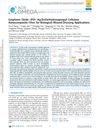
September 2019 in “ACS omega” This study found that AGO@HPC nanocomposite films demonstrated enhanced mechanical, anti-ultraviolet, and antibacterial properties, suggesting potential for use in antibacterial packaging and wound-dressing applications.
 28 citations
,
February 1999 in “Journal of Investigative Dermatology”
28 citations
,
February 1999 in “Journal of Investigative Dermatology” This study found that neonatal mice without the urokinase-type plasminogen activator (uPA) gene had reduced epidermal proliferation rates, suggesting uPA's involvement in promoting keratinocyte proliferation.
 April 2016 in “Journal of Investigative Dermatology”
 This study found that administering botulinum toxin A via Flex-PADs to mouse footpads inhibited sweating similarly to traditional injections, suggesting a promising patient-friendly delivery method for hyperhidrosis treatment.
1 citations
,
March 2004 in “Patty's Toxicology” This article reviews the properties, uses, and toxic effects of eleven unsaturated halogenated hydrocarbons, highlighting the risks associated with compounds like dichloroacetylene, allyl chloride, and vinyl chloride, and reports no new experimental findings.
10 citations
,
July 1980 in “British Journal of Dermatology” This study observed that applying polyamines to the skin of hairless mice stimulates thymidine incorporation, suggesting polyamines may play a role in DNA synthesis control in the epidermis.
 January 2004 in “Analytical Sciences: X-ray Structure Analysis Online”
 This study reports the crystal structure of C28H32O5, revealing its monoclinic symmetry, unit-cell dimensions, and molecular conformation.
May 2023 in “Reactions Weekly” January 2013 in “Reactions Weekly”  43 citations
,
August 2016 in “International Journal of Nanomedicine”
43 citations
,
August 2016 in “International Journal of Nanomedicine” This study found that a eupafolin nanoparticle delivery system improved water solubility and skin penetration, enhancing its antioxidant and anti-inflammatory effects against particulate matter-induced stress in skin cells.
 1 citations
,
June 2023 in “ScienceRise Pharmaceutical Science”
1 citations
,
June 2023 in “ScienceRise Pharmaceutical Science” This study explored a computer simulation method for selecting emulsion compositions in dermatology, finding that the PS biocomplex can be effectively used as an emulsifier or co-emulsifier, which streamlines the development process and reduces experimental demands.
April 2025 in “Journal of Advances in Medical and Pharmaceutical Sciences” This review highlights the potential of spanlastics, a new type of drug delivery system, to enhance drug administration by offering better deformability and stability compared to other nanocarriers, potentially improving targeted drug delivery across various applications.
 28 citations
,
December 2011 in “Biocatalysis and biotransformation”
28 citations
,
December 2011 in “Biocatalysis and biotransformation” This study found that a peptide treatment using Protein disulphide isomerase improved the mechanical and thermal properties of over-bleached hair by promoting deeper peptide penetration and attachment.
April 2026 in “Industrial & Engineering Chemistry Research” This study showed that keratinase pretreatment effectively reduces the time for enzymatic unhairing in bovine hides by opening channels for faster penetration, which shortens the process by over 50% and enhances leather quality.
10 citations
,
November 2023 in “Frontiers in Pharmacology” In this study, researchers developed a self-assembling hydrogel called RADA-PDGF2 and found it to accelerate wound closure in a mouse model due to its pro-proliferative and pro-migratory properties, without causing cytotoxicity or immunogenicity.
 47 citations
,
July 2014 in “European Journal of Pharmaceutics and Biopharmaceutics”
47 citations
,
July 2014 in “European Journal of Pharmaceutics and Biopharmaceutics” This study concluded that polymeric nanoparticles effectively targeted hair follicles for drug delivery, but the organogel formulation did not enhance their penetration into the hair shaft.
October 2012 in “Sax's Dangerous Properties of Industrial Materials”  May 2024 in “International Journal of Nanomedicine”
 This review examined the diverse therapeutic potentials of cannabinoids, highlighting their applications in pain, neurological, and cancer treatments, and emphasized the benefits of biodegradable polymers in improving drug delivery; however, further clinical trials are needed to fully explore these potentials.
26 citations
,
May 2011 in “Tissue Engineering Part A” This study found that mouse embryoid bodies adhered quickly and differentiated efficiently into cardiomyocytes on negatively charged poly(sodium p-styrene sulfonate) hydrogels, similar to their behavior on gelatin-coated polystyrene.
 July 2016 in “Dermatologie pro praxi”
 This article discusses the use of Espumil foam base in pharmacies for preparing dermatological medications and reports no new clinical results.
1 citations
,
January 2003 in “Chinese Journal of Pharmaceuticals” This study developed a new synthetic route for finasteride that omits the costly reagent 2,2′ dipyridyl disulfide, achieving an overall yield of 16%.