14 citations
,
September 2025 in “Gels” This review reports that sodium alginate-based hydrogels show promise in biomedical applications due to their biocompatibility and versatility, but challenges such as mechanical strength and stability remain, highlighting the need for continued research to facilitate their clinical transition.
18 citations
,
January 2021 in “Theranostics” This study found that actively targeted AN2728-loaded nanocarriers reduced inflammation and improved skin condition in a mouse model of psoriasiform inflammation compared to free drug and non-targeted nanoparticles.
 14 citations
,
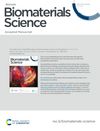
January 2020 in “Biomaterials Science”
14 citations
,
January 2020 in “Biomaterials Science” Created microspheres show potential for safe and effective use in prostate artery embolization.
 2 citations
,
October 2004 in “Organic Process Research & Development”
2 citations
,
October 2004 in “Organic Process Research & Development” This review discusses U.S. patents in organic process development published in July and August 2004 and reports no new experimental results.
October 2022 in “Frontiers in Bioengineering and Biotechnology” This study demonstrated that in a mouse model of androgenic alopecia, PLGA-DUT/siAR@DPCM nanoparticles effectively delivered drugs to hair follicles, suppressed androgen-related targets, promoted cell proliferation, and showed significant therapeutic effects with minimal adverse effects, suggesting their potential for clinical application.
August 2018 in “Chinese journal of plastic surgery” In this study, buccal mucosa grafts for urethroplasty in a rabbit model of congenital hypospadias showed good integration with minimal inflammatory response twelve weeks post-surgery.
9 citations
,
August 2023 in “Molecules” This study found that the peptides RMYYY and VMYMI displayed stronger binding energy and more frequent interactions with HPGDS compared to the native inhibitor, suggesting potential as future therapeutic drugs.
28 citations
,
September 2023 in “International Journal of Biological Macromolecules” Animal experiments in this study demonstrated that a new sandwich-like fiber/sponge dressing design, which enhances wound healing through improved moisture management and faster exudate evaporation, resulted in more significant wound size reduction compared to commercial and control dressings.
 227 citations
,
December 2021 in “ACS Nano”
227 citations
,
December 2021 in “ACS Nano” This review discussed the potential of multifunctional photoresponsive hydrogels for wound regeneration, highlighting various types prepared with diverse photosensitizers and photothermal/photodynamic agents, and explored their role in modulating bacterial microenvironments to inhibit infection and promote healing.
2 citations
,
June 2025 in “Chemical Engineering Journal” The hydrogel helps heal seawater-immersed wounds by reducing infection and inflammation.
April 2026 in “Applied Materials Today” This study introduced a pH-responsive polymeric wound dressing that enhances healing in chronic wounds by changing shape and drug delivery based on wound pH, achieving a 94.88% healing rate in diabetic mice by day 14.
December 2000 in “日本組織細胞化学会総会プログラムおよび抄録集” 3 citations
,
January 2002 in “Springer eBooks” This study found that using cationic and non-ionic polymers during alkaline hair relaxer treatments may help strengthen hair and control swelling, potentially reducing damage.
May 2024 in “International journal of medicine and psychology.” This article describes an increase in the detection of heart failure among young people and discusses the development of the drug Uperio for its treatment and support.
42 citations
,
February 2024 in “Advanced Functional Materials” In this study, researchers developed a biodegradable supramolecular tissue adhesive that provides strong instant adhesion to wet tissue surfaces within 5 seconds, showing promise for emergency hemostasis and wound management in surgical applications, as demonstrated in rat models.
 2 citations
,
November 2023 in “International Journal of Preventive Medicine and Health (IJPMH)”
2 citations
,
November 2023 in “International Journal of Preventive Medicine and Health (IJPMH)” This study explored the effects of a 50% hydroalcoholic UPBF extract on BPH in testosterone propionate-induced rats, finding significant improvements in prostate-related parameters and lower urinary tract symptoms at a 200 mg/kg dose, suggesting potential use in BPH management.
 43 citations
,
July 2016 in “European journal of pharmaceutical sciences”
43 citations
,
July 2016 in “European journal of pharmaceutical sciences” This study found that dexamethasone-loaded Eudragit® L 100 nanoparticles displayed controlled drug release depending on pH levels, with minimal toxicity to human fibroblasts.
June 2026 in “Journal of Biomedical Materials Research Part B Applied Biomaterials” This study found that a hydrogel made from human placenta-derived ECM, copper, and endothelial progenitor cells significantly enhanced pressure ulcer healing in a mouse model by improving wound closure and tissue regeneration.
 August 2015 in “MOJ proteomics & bioinformatics”
 This study suggests that epithelial-derived pop-up keratinocytes (ePUKs) may improve regenerative medicine applications due to their specific phenotype and increased expression of proteins involved in regulating cellular movement and wound healing.
2 citations
,
January 2014 This study reported that ultrafine gelatin nanoparticles produced by a modified desolvation technique offer advantages for dermal drug delivery, including smaller particle size, higher drug loading, and faster release compared to traditional gelatin nanoparticles.
 40 citations
,
October 2009 in “Journal of Biomedical Nanotechnology”
40 citations
,
October 2009 in “Journal of Biomedical Nanotechnology” This review discusses pyrene excimer nucleic acid probes for detecting biomolecules and protein-DNA interactions and reports no new experimental findings.
12 citations
,
April 2023 in “Frontiers in Materials” This review discusses the biofunctionalization of hydrogel scaffolds for vascular tissue regeneration and reports promising results from in vivo studies, such as improved angiogenesis and healing in pressure ulcers when using specific peptides.
 11 citations
,
December 2010 in “Journal of Inclusion Phenomena and Macrocyclic Chemistry”
11 citations
,
December 2010 in “Journal of Inclusion Phenomena and Macrocyclic Chemistry” This study found that forming solid dispersions and inclusion complexes of finasteride significantly increased its solubility compared to its pure form.
97 citations
,
January 2005 in “Wear” In this study, the researchers measured and discussed the friction and wear properties of various hair types against synthetic skin and other hair, finding variations based on factors like ethnicity, hair condition, and environmental conditions.
 21 citations
,
January 2023 in “Biomaterials Science”
21 citations
,
January 2023 in “Biomaterials Science” This study investigated the use of dissolving microneedle patches to improve the skin-lightening effects of alpha-arbutin and resveratrol, finding that the patches enhanced intradermal delivery and slightly decreased the melanin index without affecting skin hydration or causing irritation over 24 hours.
78 citations
,
February 2024 in “ACS Omega” This study developed a bilayer material combining poly(vinyl alcohol) and bacterial cellulose with a gelatin-poly(vinyl alcohol) hydrogel, showing strong potential as a wound dressing due to its good antibacterial properties, cell viability, and sustained drug release.
 September 2023 in “International journal of biological macromolecules”
 This study found that a chitosan/PDRN nanopolyplex significantly improved diabetic wound healing in rats by enhancing cell proliferation, migration, and antimicrobial activities, suggesting its potential as a therapeutic product.
 3 citations
,
April 2023 in “Urology Herald”
3 citations
,
April 2023 in “Urology Herald” This review discusses the use of platelet-rich plasma in urology and emphasizes the need for further multicenter studies to explore its potential benefits.
August 2025 in “Marine Drugs” This study evaluated a new composite material made from PLA, ALG, ZnS, and HT for blood-contacting applications, finding it improved surface characteristics and displayed anticoagulant properties and high biocompatibility with no genotoxic effects on blood and skin cells.