3 citations
,
July 2023 in “Acta Biomaterialia” This study demonstrates that a bioinspired peptide, PepACS, can efficiently and safely perm hair by interacting with keratin's sulfhydryl group without compromising tensile strength, and it shows potential for hair repair and dyeing applications in the hair care industry.
 1 citations
,
June 2025 in “Frontiers in Bioengineering and Biotechnology”
1 citations
,
June 2025 in “Frontiers in Bioengineering and Biotechnology” This review examines glycopeptide hydrogels as biomimetic materials for tissue regeneration and other biomedical applications, describing their design, properties, and potential uses, and highlighting future advancements in replicating natural tissue environments for precision medicine.
 January 2026 in “Biomaterials Science”
 This research outlines the characteristics and potential applications of a GMP-compliant sodium polyphosphate formulation (Na-polyP-GMP) in cellular energy storage and ATP-dependent processes like skin regeneration and wound healing.
1 citations
,
November 1975 in “PubMed” This study found that gelatin-resorcinol-formaldehyde caused peritoneal lesions and hair loss in rats and mice, indicating it is unsuitable for tubal occlusion and emphasizing the need for testing in multiple species before using compounds in humans.
 January 2026 in “The Eurasian Journal of Life Sciences”
 This review discusses recent advances in the development of electrospun pectin nanofibers for biomedical applications, highlighting strategies to improve their mechanical properties and biological functions and addressing challenges like material variability and regulatory issues.
 12 citations
,
January 2018 in “Biomaterials Science”
12 citations
,
January 2018 in “Biomaterials Science” This study observed that dermal papilla cell aggregates showed increased viability and gene expression on softer 3D substrates, indicating the importance of substrate stiffness in cellular behavior.
 January 2018 in “Springer eBooks”
 PDE inhibitors, especially PDE4 inhibitors like apremilast, are effective for certain inflammatory skin conditions but have side effects and can be costly.
 March 2023 in “International journal of pharmaceutical sciences review and research”
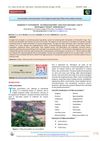
 In this study, an Emulgel containing Tridax procumbens extract was formulated and found to have promising physical properties and antimicrobial activity for wound healing.
 22 citations
,
January 2001 in “Chemical & Pharmaceutical Bulletin”
22 citations
,
January 2001 in “Chemical & Pharmaceutical Bulletin” This study found that two new progesterone derivatives showed higher antiandrogenic effects and 5α-reductase inhibition than finasteride in hamsters, particularly reducing seminal vesicle weight and flank organ size.
99 citations
,
June 2011 in “Journal of biomedical materials research. Part A” This study observed that keratose hydrogels sustained ciprofloxacin release over three weeks and inhibited Staphylococcus aureus growth in vitro for 23 days and in mice for 2 weeks.
 April 2026 in “bioRxiv (Cold Spring Harbor Laboratory)”
 This study introduced hydrogel microneedles loaded with palladium nanoparticles, which utilize the inherent cytotoxicity of polyethyleneimine to enhance the effectiveness of doxorubicin in treating melanoma, achieving a tumor inhibition rate of up to 98% in a murine model.
 5 citations
,
March 2017 in “International journal of GEOMATE : geotechnique, construction materials and environment”
5 citations
,
March 2017 in “International journal of GEOMATE : geotechnique, construction materials and environment” This study found that incorporating pig-hair fibers and green mussel shells in concrete increased compressive strength but decreased workability, suggesting potential use in structures not requiring strength above 28 MPa.
27 citations
,
January 2022 in “Current Research in Biotechnology” This study reports that soy protein isolate/hydroxyethyl cellulose nanofibrous mats embedded with diclofenac sodium and halloysite nanotubes demonstrated sustained drug release, effective antibacterial action against E. coli and B. subtilis, and maintained biocompatibility, highlighting their potential use in wound care.
October 2023 in “Research Square (Research Square)” This study developed a composite product from decellularized human placental connective tissue matrix and placental extract, finding that the combination showed improved biochemical and mechanical properties compared to each component alone, suggesting its potential use for treating chronic and deeper wounds.
 13 citations
,
May 2011 in “Bioorganic & Medicinal Chemistry”
13 citations
,
May 2011 in “Bioorganic & Medicinal Chemistry” This study identified certain benzopyran derivatives with a bulky tert-butyloxycarbonylamino group as effective KATP channel openers that inhibit insulin secretion in rat pancreatic islets.
 September 2023 in “International Journal of Cosmetic Science”
 The researchers reported that adding specific combinations of hydrolyzed proteins to silicone-free shampoo improved hair conditioning properties by reducing friction and increasing surface adsorption and penetration into hair, compared to protein-free alternatives.
February 2026 in “Macromolecular Bioscience” In this study, keratin‐based hydrogels incorporating calcium ions were developed to effectively deliver atorvastatin, showing potential for localized anti‐fibrotic therapy through controlled drug release and maintaining drug bioactivity in vitro, supported by thorough physicochemical and mechanical characterization.
 June 2017 in “University of the Arts London Research Online (University of the Arts London)”
 This study compared the effects of three compounds on structural and sensory benefits for bleached hair when applied with or after bleaching, observing that their application may mitigate bleaching-induced damage.

In this study, researchers developed a multifunctional hydrogel for wound healing, incorporating antibacterial and antioxidant properties that demonstrated significant inflammation reduction and tissue regeneration in animal models, with high antibacterial efficacy against E. coli and S. aureus.
January 2025 in “Pharmaceuticals” This review discusses the potential of peptide-based hydrogels as biomaterials for treating chronic wounds and reports no new clinical findings.
 5 citations
,
April 2016 in “Proceedings of the Latvian Academy of Sciences. Section B, Natural, Exact and Applied Sciences”
5 citations
,
April 2016 in “Proceedings of the Latvian Academy of Sciences. Section B, Natural, Exact and Applied Sciences” This study fabricated a polyamide fiber containing amber particles and characterized its potential for textile applications, noting that the chemical structure of amber remained unchanged after grinding and integration.
11 citations
,
June 2025 in “Polymers” This review reports on recent surfactant-based niosome formulations, including those with polysaccharides, for versatile drug delivery applications such as ocular, oral, and transdermal settings, while discussing their limitations and potential prospects.
49 citations
,
January 2023 in “Gels” This review summarizes recent advancements in three-dimensional bioprinting technology and hydrogel bioinks, highlighting their applications in tissue engineering, but reports no new experimental results.
September 2016 in “Toxicology letters” The researchers reported that hydrogels made from methacrylated glycol chitosan and hyaluronic acid with chondroitin sulfate may be suitable for load bearing soft tissue repair, showing enhanced chondrocyte viability and metabolic activity.
 1 citations
,
December 2017 in “JAMA Facial Plastic Surgery”
1 citations
,
December 2017 in “JAMA Facial Plastic Surgery” This study found that both PHDPE and ePTFE hair-bearing scaffolds were well tolerated in a rat model, with minimal infection or extrusion, though artificial hair showed progressive loss over time.
1 citations
,
December 2022 in “Applied Sciences” 7 citations
,
November 2025 in “Journal of Polymer Science” This review highlights recent advances in hydrogel-based wound healing, noting that diverse hydrogel designs enhance healing and suggest potential for clinical translation, albeit with a need for more research on human applications.
 1 citations
,
July 2023 in “Biomimetics”
1 citations
,
July 2023 in “Biomimetics” This study found that a hair-coating polyphenol complex significantly enhanced the mechanical strength, UV protection, and antistatic properties of damaged hair, suggesting potential benefits for hair treatment.

This study developed a directional pressure-pump hydrogel delivery platform that enhances wound healing in diabetic mechanically dynamic wounds by targeting antibacterial agents and nanozymes directly to the lesion site, disrupting biofilms, mitigating tissue damage, and supporting proper skin closure and vascular remodeling in animal models.
 3 citations
,
February 2023 in “Journal of drug delivery science and technology”
3 citations
,
February 2023 in “Journal of drug delivery science and technology” In vitro, this study found that PTX and HU SF-FA NLCs showed greater cytotoxicity and apoptosis in ovarian cancer cells than pure paclitaxel, suggesting promise as a targeted drug delivery platform.