7 citations
,
June 2012 in “Journal of dairy science” This study found that topical application of bovine milk polar lipids accelerated hair cycle progression in mice, showing potential for use in cosmetic products.
January 2025 in “Surgical & Cosmetic Dermatology” In this animal study, a topical gel containing ethyl-methyl-hydroxypyridine succinate showed potential in accelerating hair regrowth and improving skin biochemical parameters in rats with chemically induced alopecia, suggesting its possible benefit for alopecia related to oxidative stress.
14 citations
,
May 2016 in “International Journal of Molecular Sciences” This study showed that knocking out the Ppp2ca gene in the epidermis of mice led to significant hair loss and disrupted hair follicle morphogenesis and regeneration.
 31 citations
,
January 2014 in “International Journal of Trichology”
31 citations
,
January 2014 in “International Journal of Trichology” This review summarizes the anatomy and physiology of the arrector pili muscle and discusses its potential role in hair loss disorders, reporting no new clinical results.
 August 2026 in “Journal of Maxillofacial and Oral Surgery”
 This study investigated treatments for male androgenetic alopecia, finding that combining injectable platelet-rich fibrin (i-PRF) with microneedling increased hair growth more effectively than i-PRF alone according to questionnaires and photographic assessments.
6 citations
,
July 2025 in “Cancer Medicine” This study reported that ZSYY001, a nanoparticle formulation of polymeric micellar paclitaxel, showed promising antitumor activity and was safe and well-tolerated in preclinical models and a phase I trial, without acute hypersensitivity reactions at doses up to 390 mg/m².
April 2025 in “The Egyptian Journal of Hospital Medicine” This study suggests that expanding the Egyptian premarital screening program to include dermatological conditions, sexually transmitted diseases, and andrological disorders could enhance marriage stability.
 22 citations
,
April 2013 in “Dermatologic surgery”
22 citations
,
April 2013 in “Dermatologic surgery” In this study, daily application of bimatoprost 0.03% ophthalmic solution for 9 months significantly improved eyebrow appearance in individuals with mild to moderate eyebrow hypotrichosis, without observed side effects.
1 citations
,
July 2012 in “Der Urologe” This clinical trial in Poland found that using finasteride, alone or with an alpha-blocker, reduced prostate adenoma size by 40% and improved micturition in patients with benign prostatic hyperplasia.
 June 2010 in “Melanoma research”
 This study found that LDE225, a novel Smo antagonist, shows potential as a topical treatment for basal cell carcinoma due to its high affinity binding and effective inhibition of tumor growth in preclinical models.
3 citations
,
February 2019 in “Molecular genetics and metabolism” This study found that coadministration of tadalafil and finasteride improved lower urinary tract symptoms and erectile function in men with benign prostatic hyperplasia better than finasteride alone over 26 weeks.
1 citations
,
January 2019 This study found that a hair tonic combining fragrant pandan and celery extracts increased hair length in guinea pigs, with the 1:5 concentration showing the best growth activity.
 April 2017 in “Journal of Investigative Dermatology”
 In this study, HPH-15, a newly synthesized compound, demonstrated potential in reducing skin fibrosis in a mouse model by targeting underlying pathogenic mechanisms and exhibited a good safety profile, warranting further clinical trials for fibrotic skin disorders like systemic sclerosis.
3 citations
,
April 2024 in “JAAD Case Reports” This article reviews DPCP's use as a topical immunotherapy for alopecia areata and discusses its suggested mechanism, but reports no clinical results.
April 2026 in “BMC Women s Health” This study in Urmia, Iran, characterized women with PCOS, POF, and EMs, revealing a PCOS prevalence of 17.69% and emphasizing significant lifestyle and health differences compared to healthy individuals, particularly in rural areas, alongside identifying key screening features for POF and EMs.
 16 citations
,
March 2016 in “Clinical ophthalmology”
16 citations
,
March 2016 in “Clinical ophthalmology” In this study, bimatoprost 0.03% was effective and well-tolerated for improving eyelash hypotrichosis in healthy adolescents, but not for those with the condition due to chemotherapy or alopecia areata.
6 citations
,
January 2015 in “Journal of clinical & experimental dermatology research” This study suggests that combining monoammonium glycyrrhizinate/glycine/DL-methionine tablets with 5% carpronium chloride may reduce alopecia areata area more effectively than carpronium chloride alone, particularly in patients with allergic factors.
October 2022 in “Frontiers in Bioengineering and Biotechnology” This study demonstrated that in a mouse model of androgenic alopecia, PLGA-DUT/siAR@DPCM nanoparticles effectively delivered drugs to hair follicles, suppressed androgen-related targets, promoted cell proliferation, and showed significant therapeutic effects with minimal adverse effects, suggesting their potential for clinical application.
 14 citations
,
January 2016 in “Experimental and molecular pathology”
14 citations
,
January 2016 in “Experimental and molecular pathology” This study found that T cell-deficient mice developed distinct papilloma phenotypes after MmuPV1 infection, and hyperimmune sera transfer could prevent this infection.
This abstract provides contact information for Dr. Ban Kamoona at the Medical University – Sofia and contains no research findings.
14 citations
,
January 1998 in “Dermatology” This study found evidence that polythelia pilosa, previously excluded from classification, should be reintroduced as it marks true aberrant mammary structures in men and hirsute women.
 133 citations
,
May 2016 in “Cell Host & Microbe”
133 citations
,
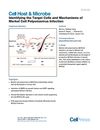
May 2016 in “Cell Host & Microbe” In this study, human dermal fibroblasts were identified as natural host cells that support productive Merkel cell polyomavirus infection, and the MEK antagonist trametinib was introduced as an effective inhibitor to control the virus.
 January 2008 in “Annals of Nutrition and Metabolism”
 This study suggests that a specific region upstream of the TGF-β1 gene may play a key role in androgenetic alopecia by regulating gene expression in a cell-specific manner.
September 2017 in “Journal of Investigative Dermatology” This study found that photodynamic therapy achieved permanent removal of nonpigmented hair in mice after multiple sessions, unlike laser treatment, which was not effective for nonpigmented hair.
 May 2015 in “Journal of The American Academy of Dermatology”
 Mycophenolate mofetil may improve symptoms and stop hair loss in Lichen planopilaris, but more research is needed.
 3 citations
,
May 2018 in “Reproductive Sciences”
3 citations
,
May 2018 in “Reproductive Sciences” In this randomized study, BAY 1158061, a prolactin receptor antibody, was found to be safe, well-tolerated, and exhibited low immunogenicity in healthy postmenopausal women, but had no effect on serum prolactin levels compared to placebo.
January 2018 in “프로그램북(구 초록집)” In this study, intradermal injection of botulinum toxin type A significantly increased hair count and improved physician-assessed hair condition in men with male pattern baldness after 24 weeks, with no serious adverse events reported beyond temporary local pain and redness.
4 citations
,
July 2022 in “The Journal of Clinical Endocrinology & Metabolism” This study identified a novel homozygous mutation in the 5'-UTR of the POMC gene, suggesting a new molecular mechanism for the syndrome of adrenal insufficiency, obesity, and red hair.
 13 citations
,
September 2022 in “Materials & design”
13 citations
,
September 2022 in “Materials & design” This study found that astaxanthin-loaded mucoadhesive patches effectively promoted recovery of oral premalignant lesions in vivo without the side effects seen with clinical tretinoin cream.
January 2020 in “JAAD case reports” Systemic mastocytosis may cause a type of hair loss called cicatricial alopecia.