August 2025 in “Tropical Journal of Natural Product Research” This study found that hydromethanolic extracts from Carthamus caeruleus L. rhizomes exhibited notable antioxidant and anti-inflammatory effects in both in vitro and in vivo experiments, supporting its traditional medicinal uses and suggesting its potential as a source of therapeutic agents.
 December 2025 in “Brazilian Journal of Hair Health”
 This review highlights that natural DHT blockers like saw palmetto and pumpkin seed oil show promise in managing androgenetic alopecia, though clinical data varies, and further research is needed to confirm their efficacy and safety in comparison to conventional pharmaceuticals.
 12 citations
,
August 2021 in “International Journal of Biological Macromolecules”
12 citations
,
August 2021 in “International Journal of Biological Macromolecules” This study observed that Poria cocos polysaccharides and finasteride both reduced inflammation in chronic nonbacterial prostatitis in rats, but only Poria cocos polysaccharides reversed related changes in the gut microbiota.
January 2015 in “Современные проблемы науки и образования” This article reviews the use of phytochemicals in hair masks for addressing hair and scalp issues like damage and seborrhea, without reporting new clinical results.
111 citations
,
August 1998 in “Journal of Investigative Dermatology” This study found that human epidermal keratinocytes express a functional μ-opiate receptor at both the mRNA and protein levels, potentially playing a role in skin physiology and pathology.
1 citations
,
August 2016 This study investigated the cytotoxic effects of DHA derivatives on cancer cell lines and found that didocosahexaenoin was the most potent, inducing apoptosis and producing reactive oxygen species in PC3 prostate carcinoma cells.
August 2022 in “International Journal of Medical and Biomedical Studies” This study observed an association between the use of colored and perfumed hair oils and contact dermatitis, with notable differences in incidence by age and type of oil.
 December 2024 in “Revista Brasileira de Plantas Medicinais”
 This study reviewed in vivo studies and clinical trials on phenolic compounds, like tannins and flavonoids, for treating hair loss, noting their antioxidant and anti-inflammatory effects but highlighting the need for more clinical trials to confirm benefits.
6 citations
,
April 1993 in “Journal of Dermatological Science” This study found that several anti-cancer agents strongly inhibit DNA synthesis in human hair germinative cells, while certain cytokines showed only slight inhibition.
5 citations
,
November 2023 in “Pharmacognosy Reviews/Bioinformatics Trends/Pharmacognosy review” This systematic review highlights the diverse uses and bioactivities of Impatiens plants, particularly their antimicrobial, cytotoxic, anti-inflammatory, anti-anaphylactic, and antioxidant properties, while noting the need for more research to validate their ethnobotanical applications and isolate major bioactive compounds.
2 citations
,
May 2025 in “PLoS ONE” This study found that a 4:1 combination of Rhynchosia nulubilis and Polygonum multiflorum extracts significantly promoted the proliferation of human dermal papilla cells and alleviated testosterone-induced cytotoxicity, suggesting potential for treating hair loss and related disorders through a synergistic approach.
 22 citations
,
January 2021 in “Pharmacognosy Journal”
22 citations
,
January 2021 in “Pharmacognosy Journal” This review discusses the traditional uses, phytochemical, and pharmacological studies on Ageratum conyzoides, Tridax procumbens, and Bidens pilosa, emphasizing the need for further clinical research into their medicinal potential, but it does not report new results.
1 citations
,
February 2025 in “Toxicology in Vitro” In this study, DPHC from the brown alga Ishige okamurae demonstrated potential to prevent androgenic alopecia by inhibiting hair loss and promoting hair growth through multiple cellular mechanisms.
19 citations
,
January 2009 in “OpenSIUC (Southern Illinois University Carbondale)” This study found that extracts from Calotropis gigantea and Tridax procumbens individually demonstrated greater anti-inflammatory activity than Ibuprofen in a carrageenin-induced paw edema model.
 2 citations
,
January 2022 in “Journal of Oleo Science”
2 citations
,
January 2022 in “Journal of Oleo Science” This study found that oil from CG17 garden cress seeds had higher amounts of β-carotenoids, tocopherols, and vitamins compared to other genotypes, with varying physiochemical properties across all seeds.
January 2026 in “Journal of Ethnopharmacology” Cedrol promotes hair growth better than baricitinib by regulating immune cells.
 16 citations
,
August 2004 in “Tetrahedron”
16 citations
,
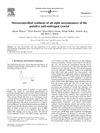
August 2004 in “Tetrahedron” In this study, all stereoisomers of cyoctol were synthesized and tested, revealing that contrary to initial patent claims, cyoctol does not function as an anti-androgen.
 24 citations
,
March 2022 in “Frontiers in plant science”
24 citations
,
March 2022 in “Frontiers in plant science” This review discusses the roles of phytohormones like auxin and ethylene in regulating root hair growth and development in plants, but it reports no new experimental results.

This study explored the molecular mechanisms by which Polygonum multiflorum may treat androgenic alopecia, suggesting it influences cell apoptosis and inflammation through specific pathways, with potential application value pending further testing.
87 citations
,
January 1996 in “Journal of cellular biochemistry” This article discusses ongoing and planned clinical chemoprevention trials for various agents and combinations but reports no new results; it highlights promising new agents and the evolving focus on molecular pathways.
 June 2021 in “World Journal Of Advanced Research and Reviews”
 In this study, researchers evaluated emulsions made with natural plant extracts and oils on guinea pigs, finding that a specific hydrophilic/lipophilic balance and globule size led to a stable emulsion and stimulated hair growth.
 October 2023 in “JOJ dermatology & cosmetics”
 This study concluded that thiocyanate promotes new cell formation and hair growth in animals and humans, with therapeutic effects seen in 51% of human alopecia areata cases after treatment, attributed to diverse biological mechanisms.
1 citations
,
March 2009 in “China Journal of Chinese Matera Medica” This review discusses the pharmacological effects and potential mechanisms of procyanidins, noting its roles in antioxidation, cardiovascular protection, and more, but reports no new clinical results.
January 2018 in “BiblioBoard Library Catalog (Open Research Library)”  May 2025 in “IDOSR JOURNAL OF BIOLOGY CHEMISTRY AND PHARMACY”
 This review explores current research on how dietary phytochemicals may help manage male androgen disorders by affecting hormone levels and endocrine function, highlighting their potential therapeutic roles and mechanisms in hormonal health, but does not report specific results.
January 2021 in “대한본초학회지(본초분과학회지)” This study found that essential oil from Coicis Semen increased cell proliferation and hair growth-related protein expression in human hair dermal papilla cells, suggesting potential for alopecia treatment.
 April 2025 in “Research Square (Research Square)”
 In this chicken embryo study, E40 hemp seed callus-derived exosomes counteracted DHT-induced inhibition of hair follicle development, suggesting potential for alopecia treatment and hair follicle regeneration.
 August 2021 in “Research Square (Research Square)”
 This study found that BEO inhibited cell proliferation and inflammatory mediator release in a human keratinocyte acne model and reduced acne lesion severity in a rabbit model, suggesting its potential as a natural alternative to conventional acne treatments.
9 citations
,
July 2025 in “Pharmaceuticals” This review highlights the therapeutic potential of plant-derived exosomes, noting their larger size compared to animal-derived exosomes and usefulness in targeted drug delivery and inter-kingdom communication. It summarizes existing research on their biogenesis, characterization, and engineering for drug delivery, indicating significant opportunities for biotechnological advancements.
 September 2005 in “Journal of Investigative Dermatology”
 This study found that ferulic acid effectively stabilized vitamins C and E in a topical solution, doubling skin photoprotection against solar-simulated irradiation, which may help in preventing photoaging and skin cancer.