
In this study, researchers developed an environmentally friendly hair coating from casein proteins and tannic acid, enhancing the tensile strength of virgin Asian hair by approximately 21% compared to untreated hair, while maintaining elasticity.
1 citations
,
December 2025 in “International Journal of Molecular Sciences” This review reports that chitosan-based systems with metal nanoparticles and polyphenols may enhance wound healing by improving the bioavailability and stability of these compounds, suggesting a potential new approach for chronic and diabetic wounds.
8 citations
,
July 2025 in “Gels” This review discusses how functionalized hydrogels can modulate the microbiome to aid tissue regeneration and infection control, highlighting their potential to deliver therapeutic agents effectively and support beneficial immune responses.
 13 citations
,
November 2022 in “Chemical Science”
13 citations
,
November 2022 in “Chemical Science” This review discusses the use of inorganic-based biomaterials for hemostasis and wound healing, including various preparation methods and mechanisms, but reports no new clinical results.

This study demonstrated that cryogelation of human hair keratin allows the development of 3D scaffolds with tunable properties, supporting cell adhesion and proliferation for potential biomedical applications.
 61 citations
,
January 2008 in “Cold Spring Harbor Symposia on Quantitative Biology”
61 citations
,
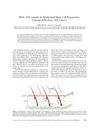
January 2008 in “Cold Spring Harbor Symposia on Quantitative Biology” This review examines beta-catenin's role in stem cell renewal, lineage selection, and tumor formation in the epidermis and reports no new experimental findings.
 June 1996 in “Irish Journal of Medical Science (1971 -)”
 This study found a statistically significant increase in glycosylated hemoglobins among patients with adult-acquired panhypopituitarism undergoing long-term GH replacement therapy, with two developing diabetes requiring treatment.
 4 citations
,
October 2025 in “International Journal of Medical Sciences”
4 citations
,
October 2025 in “International Journal of Medical Sciences” This review reported that tripeptides, such as GHK and KdPT, show promise in enhancing wound healing through multiple mechanisms, including promoting cell migration, collagen deposition, and angiogenesis, while offering antimicrobial and anti-inflammatory benefits for both acute and chronic wounds.

This research concluded that the novel hydrogel PlacMA, derived from human placenta and curable by visible light, shows promise for cell culture and tissue engineering applications due to its tunable properties.
 January 2019 in “Durham e-Theses (Durham University)”
 This study utilized advanced imaging techniques to quantify hair damage and dye uptake dynamics, revealing that compound penetration in hair is influenced by molecule size and lipophilicity.
 48 citations
,
July 2008 in “Acta Biochimica et Biophysica Sinica”
48 citations
,
July 2008 in “Acta Biochimica et Biophysica Sinica” This review discusses the roles and mechanisms of Wnt signaling in embryonic and adult stem cells and its association with cancers, and reports no new experimental findings.
 127 citations
,
January 2015 in “Journal of Biological Rhythms”
127 citations
,
January 2015 in “Journal of Biological Rhythms” This review discusses the role of the circadian clock in skin functions such as cell proliferation and UV protection and reports no new results; the authors note its potential in studying immune regulation and seasonal behaviors.
 68 citations
,
December 2011 in “Journal of Investigative Dermatology”
68 citations
,
December 2011 in “Journal of Investigative Dermatology” This study reported that a three-dimensional hydrogel culture system supports the growth and maintenance of distinct dermal papilla cell types, crucial for skin reconstitution assays in neonatal mice.
 9 citations
,
July 2018 in “Current Pharmaceutical Design”
9 citations
,
July 2018 in “Current Pharmaceutical Design” This review discusses the importance of heme oxygenase in skin physiology and disease, but it reports no new clinical results; the authors highlight its potential as a treatment target for conditions like atopic dermatitis and psoriasis.
 January 2012 in “Durham e-Theses (Durham University)”
 This study found that knock-down of keratin 15 in various cell lines affected cell spreading, morphology, migration, differentiation, and proliferation, suggesting its role in maintaining the stem cell nature of keratinocytes.
37 citations
,
December 2022 in “Acta Pharmaceutica Sinica B” This review discusses the strategies and potential of CRISPR delivery for gene therapy, highlighting the challenges and innovative use of stimuli-responsive nanocarriers, but reports no new experimental results.
119 citations
,
November 2016 in “American journal of human genetics” This study reports the discovery of mutations in the PADI3, TGM3, and TCHH genes as molecular genetic causes of uncombable hair syndrome in children, indicating an autosomal-recessive inheritance pattern.
 10 citations
,
August 2023 in “Advanced Science”
10 citations
,
August 2023 in “Advanced Science” This review discusses nitric oxide's physiological roles and the development of strategies for delivering it exogenously, without presenting new clinical results.
 2 citations
,
May 2023 in “Marine Drugs”
2 citations
,
May 2023 in “Marine Drugs” The researchers reported that marine-derived saccharides, specifically L-fucose and chondroitin sulphate disaccharide, supported skin and hair health by promoting cellular proliferation, enhancing extracellular matrix production, and aiding the hair cycle's growth phase, potentially minimizing aging effects.
January 2026 in “Pharmaceutics” This review reports that biomaterial-based drug delivery systems show promise in overcoming the limitations of traditional therapies for pathological scars by integrating sustained drug release with minimally invasive transdermal technologies, potentially enhancing treatment efficacy for these challenging skin lesions.
12 citations
,
March 2022 in “Antioxidants” This study found that encapsulating tamarillo polyphenols in cubosome nanoparticles protected them during digestion and enhanced the nutritional and antioxidant properties of yoghurt when used as a delivery system.
October 2025 in “Burns & Trauma” This review highlights recent advancements in engineered probiotics for wound healing, reporting that genetically engineered strains of Lactobacillus reuteri and Lactococcus cremoris have shown promise in promoting faster wound healing in pre-clinical and clinical settings, particularly for diabetic foot ulcers.
90 citations
,
February 2001 in “The journal of investigative dermatology/Journal of investigative dermatology” This study found that interleukin-1 directly induces the expression of keratin 6 in keratinocytes, which is a marker of activation and involved in inflammatory skin responses.
26 citations
,
June 2023 in “International Journal of Bioprinting” In this study, an innovative composite hydrogel incorporating methylene blue-loaded nanoparticles was developed for 3D-printed wound dressings, showing improved mechanical properties, excellent antibacterial effects, and enhanced skin healing in mice.
January 2024 in “SSRN Electronic Journal” September 2025 in “OPAL (Open@LaTrobe) (La Trobe University)” In this study, researchers developed a multifunctional hydrogel (FVP@CCN) that demonstrated over 90% wound closure in 7 days in diabetic wound models, thanks to its antibacterial, antioxidant, anti-inflammatory, and angiogenesis-promoting properties.
 September 2025 in “ACS Applied Materials & Interfaces”
 The researchers reported that a newly developed photo-cross-linked hydrogel with multifunctional properties, including antimicrobial and antioxidant effects, significantly improved diabetic wound healing, achieving over 90% wound closure in seven days in vivo.
13 citations
,
January 2024 in “Journal of Nanobiotechnology” This research reported that a newly developed adhesive wound dressing (SIS/PAA/LAP) demonstrated higher tissue adhesion and burst strength compared to conventional products, and improved tissue repair outcomes in animal models, suggesting potential for enhanced wound healing applications.
September 2016 in “Toxicology letters” The researchers reported that hydrogels made from methacrylated glycol chitosan and hyaluronic acid with chondroitin sulfate may be suitable for load bearing soft tissue repair, showing enhanced chondrocyte viability and metabolic activity.
 37 citations
,
December 2024 in “Theranostics”
37 citations
,
December 2024 in “Theranostics” In this study, a newly developed nanoparticle-loaded hydrogel wound dressing demonstrated significant antibacterial, antioxidant, anti-inflammatory, and proangiogenic activities, effectively reducing pain and promoting healing in a murine burn wound model while preventing infection by *Staphylococcus aureus*.