 April 2017 in “Journal of Investigative Dermatology”
 This study found that the PON1 192 R allele was associated with an increased risk of psoriasis and altered lipid profiles in patients from Western Mexico.
 1 citations
,
January 2025 in “American Journal of Translational Research”
1 citations
,
January 2025 in “American Journal of Translational Research” This study found that PPARα agonists provided protective effects in mouse models of alopecia areata by promoting early reversal of the condition and inhibiting T effector cell function, indicating potential therapeutic value for this inflammatory condition.
April 2016 in “The journal of investigative dermatology/Journal of investigative dermatology” This study reports that cannabinoid receptor type 1 may influence psoriasis development by modulating laminin-511 expression, suggesting a potential target for treatment.
36 citations
,
May 2005 in “BMC dermatology” This study found that topical diphenylcyclopropenone was effective in treating severe alopecia areata but had a high relapse rate and was often accompanied by side effects like eczema and lymphadenopathy.
April 2023 in “Journal of Investigative Dermatology” Contact immunotherapy can change immune responses in alopecia areata, suggesting new treatment targets.
1 citations
,
August 2024 in “Skin Health and Disease” Among pediatric alopecia areata patients treated with DPCP, this study reported complete hair regrowth in 8.8% and any regrowth in 61.8% after one year, with better outcomes for those with milder initial symptoms and longer treatment durations.
October 2017 in “DOAJ (DOAJ: Directory of Open Access Journals)” This study found that finasteride induced infertility and increased endoplasmic reticulum stress in rats, but these effects were mitigated by DA-9401 administration.
5 citations
,
October 2024 in “Reumatismo” This study reports a notable case of a patient with psoriatic arthritis and alopecia universalis who experienced significant improvement in both conditions after treatment with the JAK1 selective inhibitor upadacitinib, suggesting its potential efficacy for alopecia universalis, especially in cases involving inflammatory arthritis.
 December 2025 in “Molecules”
 This study found that the 15-PGDH inhibitor DPP improved endothelial function in hair-related cells exposed to DHT by reducing oxidative stress and enhancing angiogenic capacity.
26 citations
,
September 2009 in “Clinical genetics” This study identified four novel and one recurrent mutation in the AIRE gene among Arab families with APS1, suggesting these contribute to the disorder.
2 citations
,
January 2014 in “Photochemical & photobiological sciences” This study suggests that the Grasp protein may play a role in regulating skin homeostasis following UVB exposure by influencing p53-mediated apoptotic responses in mice.
1 citations
,
April 2025 in “BMC Veterinary Research” This study found that PSAT1 is a key regulator of cellular survival and regenerative capacity in cashmere goat hair follicle stem cells, highlighting its role in the SHF cycle and its potential as a target to boost cashmere fiber production.
 13 citations
,
January 2021 in “Scientific Reports”
13 citations
,
January 2021 in “Scientific Reports” This study found that Pannexin 3 plays a crucial role in skin development by regulating the transcription factor Epiprofin, affecting keratinocyte differentiation and hair follicle regeneration in mice.
97 citations
,
January 1999 in “International Journal of Dermatology” Pityriasis rubra pilaris is a rare skin disorder with reddish-orange patches and thickened skin, needing better treatment understanding.
 3 citations
,
May 2015 in “Journal of The American Academy of Dermatology”
3 citations
,
May 2015 in “Journal of The American Academy of Dermatology” Adalimumab significantly improves quality of life for patients with moderate to severe hidradenitis suppurativa.
 12 citations
,
August 2022 in “Stem cell reviews and reports”
12 citations
,
August 2022 in “Stem cell reviews and reports” This study found that PBX1 overexpression reduces hair follicle-derived mesenchymal stem cell senescence and apoptosis by interacting with SIRT1 and PARP1, highlighting a potential mechanism for addressing aging-related diseases.
October 2014 in “The journal of investigative dermatology/Journal of investigative dermatology” This review discusses the formation and goals of the Pediatric Dermatology Research Alliance (PeDRA) but reports no new clinical results; it emphasizes collaborative research to advance treatment options for pediatric skin disorders.
January 1990 in “대한피부과학회지” This study found that peanut agglutinin binding patterns after neuraminidase pretreatment can help differentiate malignant melanoma from nevocellular nevus in skin specimens.
October 2014 in “Microscopy” This study found that using ionic liquid for specimen preparation allowed for observation of dermal papilla cells and their cilia in near-living conditions, reducing damage typically caused by conventional preparation methods.
October 2020 in “The American journal of gastroenterology” This case study reports a previously undescribed cause of drug-induced autoimmune hepatitis triggered by para-aminobenzoic acid (PABA), emphasizing the need for caution with this supplement.
May 2025 in “JEADV Clinical Practice” This study found that using calcipotriene and betamethasone dipropionate cream in a real-world setting significantly improved clinical outcomes and patient quality of life for adults with mild-to-moderate scalp psoriasis, especially among those with higher adherence, demonstrating high treatment satisfaction.
 November 2006 in “Reactions Weekly”
 A woman's hair grew back after she stopped taking the Parkinson's disease medication pramipexole.
 1 citations
,
October 2025 in “Nano Research”
1 citations
,
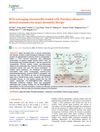
October 2025 in “Nano Research” In this study, researchers developed a dissolvable microneedle patch combining HA-TEMPO and Portulaca oleracea L.-derived nanoparticles, which effectively reduced oxidative stress and inflammation in an atopic dermatitis model while restoring immune balance, suggesting a promising treatment strategy.
 March 2005 in “Journal of The American Academy of Dermatology”
 Diphencyprone treatment protocols could be simplified as no harm occurred despite not fully following them.
 February 2026 in “Nano Research”
 In this study, researchers developed a near-infrared-responsive nanoplatform that synergistically enhances chronic wound healing by accelerating mitochondrial restoration and immune modulation, leading to enhanced wound repair and high-quality healing in diabetic rat models.
2 citations
,
January 1999 in “Dermatology” 27 citations
,
December 1997 in “Archives of Dermatological Research” This study observed that cultured dermal papilla cells showed distinct functional properties from dermal fibroblasts, including lower proliferation rates, higher adhesion to collagen type IV, and different cell-matrix interactions.
1 citations
,
January 2026 in “Science Advances” This study developed a 3D bioprinted skin model to mimic pemphigus vulgaris, providing a tool to study disease mechanisms and test targeted therapies by reproducing the architecture and pathogenic disruptions of native skin.
8 citations
,
June 2024 in “Pharmaceutics” This study found that using elastic nano-liposomes to deliver palmitoylethanolamide improved its transdermal delivery and enhanced its skincare effects, with minimal cytotoxicity and no allergic reactions observed.
8 citations
,
August 2018 in “BMJ Case Reports” This case report describes a patient who experienced rapid hair depigmentation after starting pazopanib for metastatic renal cell carcinoma, which may suggest therapy success despite being distressing.