11 citations
,
March 2023 in “Life” This study found that the aerial parts (leaves and flowers) of Scorzonera undulata from southwest Tunisia demonstrated higher antioxidant activity and beneficial biological properties compared to its tubers.
10 citations
,
February 2021 in “International Journal of Nanomedicine” This study found that a chitosan-decorated finasteride nanosystem exhibited satisfactory drug release and retention in rat skin, suggesting it could enhance topical delivery for androgenic alopecia treatment.
9 citations
,
June 2022 in “Microorganisms” This review outlines the urgent need for effective therapeutic interventions against coronaviruses, as current vaccines are challenged by virus mutations, and emphasizes developing safe, affordable, and broad-spectrum antivirals for both human and porcine coronaviruses.
8 citations
,
November 2018 in “BMC Pulmonary Medicine” This case report describes the first instance of ANCA positive vasculitis secondary to Mycobacterium abscessus pulmonary disease, highlighting the complex interplay of immune dysfunction and treatment challenges.
7 citations
,
February 2023 in “Exploration of Medicine” This review discusses various strategies for drug repurposing in tuberculosis treatment, highlighting significant potential but reports no new clinical results.
 7 citations
,
December 2022 in “Plants”
7 citations
,
December 2022 in “Plants” This study suggests that guava leaf extract may inhibit hair loss by downregulating genes involved in androgen synthesis, potentially offering a natural alternative for treating androgenetic alopecia.
 7 citations
,
January 2022 in “Scientific Reports”
7 citations
,
January 2022 in “Scientific Reports” This study found that Acanthus ebracteatus extract and verbascoside induced dermal papilla cell proliferation and reduced inflammatory cytokine release in vitro, suggesting potential for anti-hair loss applications.
4 citations
,
December 2024 in “International Journal of Molecular Sciences” This study found that extracts from Hom Thong banana peels, rich in phenolic compounds, may inhibit melanin production in human and mouse melanoma cells, showing potential as anti-melanogenic agents comparable to standard treatments like arbutin and kojic acid.
 4 citations
,
August 2022 in “The Scientific World Journal”
4 citations
,
August 2022 in “The Scientific World Journal” This study found that bufotalinin, derived from Merremia peltata leaves, may enhance hair growth by acting as a potential androgen receptor antagonist in rabbits.
2 citations
,
March 2025 in “Industrial Crops and Products” This study found that peach kernel oil extracted via supercritical fluid extraction had higher quality and antioxidant properties than oil obtained by other methods, effectively protecting human hair follicle keratinocytes from oxidative damage.
 2 citations
,
March 2023 in “Biomedicine & pharmacotherapy”
2 citations
,
March 2023 in “Biomedicine & pharmacotherapy” This study found that platelet lysate significantly improved hair growth and follicle performance in both experimental settings and AGA patients, showing results comparable to platelet-rich plasma.
January 2026 in “Pharmaceutics” This review discusses the dual role of extracellular vesicles in Alzheimer's disease, highlighting their potential in both exacerbating and alleviating the condition, and emphasizes the need for advanced technologies to enhance diagnosis and treatment.
December 2025 in “Experimental Dermatology” This study found that uric acid-linked microvascular dysfunction may play a role in alopecia areata, suggesting that targeting endothelial function and uric acid regulation could be a potential management strategy.
October 2025 in “JCI Insight” In a mouse model, this study found that an ethanol-based rosemary extract speeds up wound healing and reduces scarring by activating the TRPA1 nociceptor in sensory neurons, with carnosic acid identified as a key component.

This study observed that a combination of sinapic acid and glabridin from Zhimo herbal extract improved hair growth and reduced oxidative stress in a DHT-induced model of androgenetic alopecia in mice by preventing ferroptosis and stabilizing β-Catenin, offering potential application for AGA treatment.
 December 2024 in “International Journal of Molecular Sciences”
 This study provides a comprehensive overview of human umbilical cord mesenchymal stem cell-derived extracellular vesicles (HUCMSC-EVs), suggesting their potential to combat aging and alleviate age-related disorders by rejuvenating multiple organs in animal models and discussing engineering strategies to harness their full anti-aging potential.
 November 2024 in “Plants”
 This study found that ethanolic extracts of Buebang 3 CMU may promote hair growth and prevent hair loss more effectively than minoxidil by enhancing bioactive compounds and activating key signaling pathways.
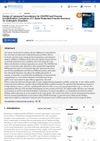 November 2023 in “ACS Omega”
 This study reported that a novel cationic liposome formulation for delivering encapsulated Cas9 protein and sgRNA successfully decreased SRD5α2 mRNA expression by 29.7% in vitro, suggesting a potential alternative treatment option for conditions like prostate cancer and benign prostatic hyperplasia without current drug side effects.
September 2023 in “Membranes” This source reviews the potential of 3D printing, biomaterials, and smart sensors in tissue engineering, noting their application in creating artificial membranes for skin and tissue regeneration and assessing their strengths and limitations for wound dressing development and disease modeling.
 September 2023 in “Biomedicines”
 In this study, researchers found that subjects with clinical alopecia had significantly higher levels of squalene in their hair bulbs compared to controls, suggesting squalene as a potential metabolic and pathogenic marker for certain alopecia conditions.
 January 2023 in “Journal of The American Society of Nephrology”
 This article discusses the potential benefits and challenges of metatrials as a new clinical trial methodology during COVID-19 and reflects on its application in nephrology, but reports no new results.
This study characterized Eclipta alba for use in a capillary product for alopecia, confirming its suitable physico-chemical properties and pharmacological constituents, including wedelolactone for hair growth.
2 citations
,
June 1983 in “Proc., Annu. Meet., Air Pollut. Control Assoc.; (United States)” This case study reports that ingestion of topical minoxidil, used for hair loss, can cause severe circulatory shock and acute pulmonary edema, necessitating immediate medical intervention with fluids and vasopressors.
1 citations
,
November 2023 in “Journal of Innovations in Applied Pharmaceutical Science (JIAPS)” In this study, researchers developed a neem oil-based emulgel showcasing anti-dandruff properties with controlled dual release, observing formulation F5 providing a 65.27% release after 8 hours and the highest antifungal inhibition against Candida albicans.
 19 citations
,
July 2020 in “Journal of drug delivery science and technology”
19 citations
,
July 2020 in “Journal of drug delivery science and technology” This study found that nano-sized minoxidil formulations significantly increased skin penetration and follicular drug delivery for alopecia areata treatment, compared to conventional ethanol-based solutions, and demonstrated effective controlled release over six hours.
8 citations
,
January 2025 in “Gels” This study developed cilostazol-loaded formulations for nose-to-brain delivery, finding that these formulations improved cilostazol's bioavailability by enhancing solubility, absorption, and permeability, achieving nearly 100% drug release in vitro within 2 hours.
 25 citations
,
July 2015 in “Colloids and Surfaces B: Biointerfaces”
25 citations
,
July 2015 in “Colloids and Surfaces B: Biointerfaces” This study found that microencapsulation combined with iontophoresis can significantly enhance the delivery of minoxidil sulphate to hair follicles, suggesting a synergetic approach for topical drug targeting.
 11 citations
,
November 2020 in “bioRxiv (Cold Spring Harbor Laboratory)”
11 citations
,
November 2020 in “bioRxiv (Cold Spring Harbor Laboratory)” This study observed that early treatment with azithromycin and either nitazoxanide, ivermectin, or hydroxychloroquine in COVID-19 patients may reduce viral shedding, symptom duration, and respiratory complications compared to untreated patients.
 109 citations
,
March 2011 in “Journal of controlled release”
109 citations
,
March 2011 in “Journal of controlled release” This study found that econazole nitrate delivered via MPEG-dihexPLA micelles significantly increased skin deposition compared to Pevaryl® cream, potentially enhancing drug bioavailability and clinical efficacy.
3 citations
,
January 1995 in “PubMed” This study found that selenium therapy could normalize metabolic and endocrine markers and improve clinical outcomes in cystic fibrosis patients, with stable benefits when administered at a lower dosage over a year.