 February 2023 in “Malaysian Journal of Science. Series B, Physical & Earth Sciences”
 This review summarizes the use of fecal glucocorticoid metabolite analysis to monitor stress across various bear species and reports no new clinical results.
9 citations
,
November 1992 in “JAMA” This report discusses the ongoing investigation into unexplained health issues among Persian Gulf war veterans, finding no objective evidence linking the symptoms to a single cause.
26 citations
,
April 2011 in “British Journal of Dermatology” This study identified novel mutations in the DSG4 gene in a Japanese patient with monilethrix, affecting protein interactions that may disrupt hair shaft structure.
19 citations
,
March 2020 in “Journal of Functional Foods” This study found that golden silk mature silkworm powder improved cognition and neuron proliferation in mice, potentially by enhancing mitochondrial function and countering scopolamine-induced amnesia.
 9 citations
,
December 2002 in “Novartis Foundation Symposium”
9 citations
,
December 2002 in “Novartis Foundation Symposium” In this research, LEF1 was identified as a crucial transcription factor for submucosal gland development in mouse and ferret tracheas, though it requires other factors to induce gland formation.
1 citations
,
April 2024 in “Pathogens” This study observed mycobacterial infection with M. xenopi in a pet ferret, noting its resistance to doxycycline, and highlighted the potential zoonotic transmission risk associated with such infections.
 September 2019 in “The journal of investigative dermatology/Journal of investigative dermatology”
 In this study, mouse sebaceous glands were found to require nerves for growth during active hair cycles, suggesting a nerve-dependent sebaceous gland cycle coordinated with hair growth.
11 citations
,
June 1974 in “Journal of Cutaneous Pathology” In this study, electron microscopy of follicular mucinosis showed severe cytoplasmic degeneration in hair follicles, with myelin figures and onion-like lamellar structures, but no indications of mucin release through degeneration or degradation were found.
7 citations
,
July 2018 in “Stem cell research” This study reported that reprogramming keratinocytes from plucked hair provides an easy, non-invasive, and efficient method for generating pluripotent iPSCs without the need for medical professionals or operating rooms.
6 citations
,
October 2022 in “International Journal of Molecular Sciences” This study found that Fgf5 mutant mice exhibited longer hair, particularly in males, likely due to a prolonged anagen phase in the hair cycle.
306 citations
,
August 2011 in “Journal of cachexia, sarcopenia and muscle” This study found that GTx-024 significantly increased total lean body mass and improved physical function in healthy elderly men and postmenopausal women, suggesting potential use for muscle wasting conditions.
June 2023 in “Zenodo (CERN European Organization for Nuclear Research)” This review discusses Hutchinson-Gilford Progeria Syndrome, its symptomatology, and the progress in developing treatment strategies, emphasizing that while a cure remains elusive, advances in understanding the disease's molecular mechanisms show promise for future approaches.
20 citations
,
June 1964 in “Archives of Dermatology” This study described three cases of follicular mucinosis and observed that one case responded rapidly to systemic corticosteroids, suggesting a potential therapeutic effect.
 27 citations
,
May 2018 in “Journal of Dermatological Science”
27 citations
,
May 2018 in “Journal of Dermatological Science” This study suggests that M2 macrophages play a key role in promoting wound-induced hair neogenesis in mice by producing growth factors like Igf1 and Fgf2.
2 citations
,
February 2012 in “PubMed” This study found that Gp₄G increased hair length, papilla cell numbers, and versican deposition in treated animals, potentially through alterations in hair follicle phases and nucleotide concentrations.
5 citations
,
August 2021 in “Experimental dermatology” This study suggests that Merkel cell polyomavirus T antigen-positive cells resembling Merkel cell carcinoma may originate from epithelial cells in human hair follicles, potentially informing future transgenic mouse models for this cancer.
14 citations
,
March 2014 in “Experimental and Molecular Pathology” This study found that sulfur mustard affects hair follicles and sebaceous glands in the skin by causing cellular damage, inflammation, and disrupting wound healing processes in hairless mice.
 11 citations
,
May 2015 in “Stem Cells Translational Medicine”
11 citations
,
May 2015 in “Stem Cells Translational Medicine” This study found that megestrol acetate increases the proliferation, migration, and adipogenic differentiation of adipose-derived stem cells through glucocorticoid receptor phosphorylation.
 2 citations
,
March 2015 in “Dermatologic Therapy”
2 citations
,
March 2015 in “Dermatologic Therapy” Using too much minoxidil foam can cause a rare movement disorder with facial twitching, but symptoms go away when the correct dose is used.
 418 citations
,
September 2012 in “Nature”
418 citations
,
September 2012 in “Nature” This study reports the first instance of skin autotomy in mammals, specifically in African spiny mice, and suggests they may possess a greater regenerative capacity than previously understood, possibly offering insights for regenerative medicine.
 23 citations
,
January 2016 in “Theranostics”
23 citations
,
January 2016 in “Theranostics” In this animal study, ultrasound combined with a new microbubble formulation of minoxidil increased hair growth rates and improved follicle characteristics more effectively than minoxidil alone.

This study found that MEIS2 expression in neural crest-derived cells is crucial for whisker and trigeminal nerve development in the mesenchyme, indicating an early role in epithelial placode formation and dermal condensation, independent of sensory innervation or Foxd1 expression.
 August 2026 in “Zenodo (CERN European Organization for Nuclear Research)”
 This study found that excessive consumption of nutmeg, ginger, cloves, and mixed spices led to significant liver damage and other health issues in laboratory mice.
1 citations
,
January 2013 This study observed that inducible deletion of the Ugcg gene in mouse epidermis led to a significant reduction in GlcCers and epidermal POS-Cers, causing impaired skin barrier function and delayed wound healing.
 63 citations
,
April 2003 in “Journal of The European Academy of Dermatology and Venereology”
63 citations
,
April 2003 in “Journal of The European Academy of Dermatology and Venereology” This study found that minoxidil topical solution was associated with a dose-related occurrence of hypertrichosis, especially facial hair, in women treated for androgenetic alopecia.
 133 citations
,
May 2016 in “Cell Host & Microbe”
133 citations
,
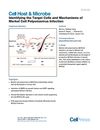
May 2016 in “Cell Host & Microbe” In this study, human dermal fibroblasts were identified as natural host cells that support productive Merkel cell polyomavirus infection, and the MEK antagonist trametinib was introduced as an effective inhibitor to control the virus.
28 citations
,
June 1995 in “The Journal of Dermatology” This study reports that flaky skin mice exhibit skin and nail features that closely resemble human psoriasis vulgaris, suggesting they may serve as a natural model for this condition.
March 2026 in “ACS Applied Materials & Interfaces” This study introduced an innovative nanozyme system called MCP@G, which was shown to improve diabetic wound healing in rats by alleviating mitochondrial oxidative stress, enhancing fibroblast migration, and promoting blood vessel and hair follicle regeneration, offering a promising approach for treating challenging diabetic wounds.
 June 2023 in “GSC Advanced Research and Reviews”
 This review covers the history, symptoms, and treatment progress for Hutchinson-Gilford Progeria Syndrome, noting that while no cure exists, understanding its molecular mechanism may improve future treatment strategies.
 1 citations
,
March 2020 in “Functional foods in health and disease/Journal of functional foods in health & disease”
1 citations
,
March 2020 in “Functional foods in health and disease/Journal of functional foods in health & disease” This study found that OM-X® supplementation effectively prevented adverse biological changes caused by vitamin C deficiency in SMP30/GNL KO mice, improving energy maintenance, antioxidant capacity, and protein synthesis.