 2 citations
,
September 2022 in “Organoid”
2 citations
,
September 2022 in “Organoid” In this study, the researchers developed a new protocol using human-induced pluripotent stem cells to efficiently create skin hair follicle organoids, which may aid in optimizing hair follicle growth and exploring treatments for alopecia.
1 citations
,
August 2025 in “Bioengineering” In this study, the combination of full-thickness skin column grafts and the TSN6 peptide improved wound healing quality in pigs by enhancing epidermal maturation compared to other treatments.
 1 citations
,
January 2023 in “Burns and trauma”
1 citations
,
January 2023 in “Burns and trauma” This study found that tdDPC-EVs significantly improved wound healing by enhancing angiogenesis through the KLF4/VEGFA axis, offering advantages over traditional DPC-EVs.
 1 citations
,
January 2021 in “Wiadomości Lekarskie”
1 citations
,
January 2021 in “Wiadomości Lekarskie” This experimental study on male rats found that a gel containing carbon dioxide extract of hops effectively promoted wound healing in severe acne by enhancing skin regeneration and exhibiting anti-inflammatory, bactericidal, and antimycotic properties.
 1 citations
,
December 2015 in “Journal of the Medical Sciences (Berkala Ilmu Kedokteran)”
1 citations
,
December 2015 in “Journal of the Medical Sciences (Berkala Ilmu Kedokteran)” This review discusses transplantation of melanocyte stem cells for vitiligo treatment and reports no new clinical results; it suggests the procedure could be effective in reactivating melanocyte precursors for repigmentation.
 1 citations
,
November 1996 in “Journal of Cutaneous Medicine and Surgery”
1 citations
,
November 1996 in “Journal of Cutaneous Medicine and Surgery” Hormones, especially androgens, play a key role in causing acne, and treatments like hormone control pills and hormone-blocking medications can help.
 September 2026 in “Cureus”
 In this narrative review, the authors discuss regenerative substances like platelet-rich fibrin and mesenchymal stem cells in biological aesthetics, noting that while these methods show promise for regeneration, their safety, effectiveness, and durability remain uncertain due to limited and heterogeneous evidence.
 February 2026 in “Bioengineering”
 This study indicates that while EV-based therapies are advancing towards clinical use in regenerative medicine, addressing methodological and regulatory hurdles is essential to fully harness their therapeutic potential.
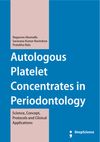
In this book, the authors provide an accessible overview of platelet concentrates and their dental applications, highlighting their role in tissue healing and regeneration, and reviewing recent studies on their efficacy in periodontal therapy, implant dentistry, and oral surgery.
 September 2025 in “International Journal of Molecular Sciences”
 In this review, researchers explored hair as a promising tool for identifying biomarkers in schizophrenia, highlighting its potential for supporting personalized medicine through ease of sampling, though acknowledging challenges like individual variability and methodological inconsistencies.
 June 2025 in “Animal Bioscience”
 This study found that miRNA-24 downregulates the KLF6 gene, influencing coat color by affecting melanogenesis pathways in Cashmere goats, and that miRNA-24 inhibition increased melanin content in mice.
January 2025 in “Health engineering.” This study reviews the role of skin stem cells in aging and explores how organoids, as opposed to traditional methods, can advance research into aging skin and regenerative therapies.
 September 2024 in “Journal of Investigative Dermatology”
 This study developed a deep learning-based tool to quantify individual hair fibers in mice, revealing distinct hair phenotypes linked to hormonal, genetic, and age-related factors, and suggesting its potential for new diagnostic methods through hair analysis.
September 2024 in “Reproduction and Fertility” This review highlights the limited effectiveness of current unlicensed treatments for male subfertility, like hormonal therapy and antioxidants, and emphasizes new drug discovery methods such as high-throughput screening and drug repurposing to improve treatment development for male subfertility.
 July 2024 in “Egyptian Journal of Medical Human Genetics”
 In this case-control study, the researchers found no significant association between IL-4 VNTR intron 3 and TNF-α (rs1799964) gene polymorphisms and alopecia areata susceptibility among the Egyptian population.
 July 2024 in “International Journal of Advanced Research in Science Communication and Technology”
 This study explored the antibacterial and wound-healing effects of an 80% methanol extract from Hibiscus micranthus leaves, finding it effective against several bacterial strains and beneficial for wound healing in rats.
 April 2024 in “Journal of cancer research and clinical oncology”
 This review discusses the isolation, characterization, and potential clinical applications of tissue-derived extracellular vesicles in cancer diagnosis, prognosis, and treatment, noting their significance but highlighting the risks and need for appropriate protocols.
 January 2024 in “Wiadomości Lekarskie”
 This source describes Sweden's approach to achieving an ideal work-life balance for medical professionals, emphasizing a no-fault system, supportive mentorship, teamwork, high assertiveness, social trust, and good compensation, with specialists working 80% of the time and having over six weeks of annual leave.
 November 2023 in “bioRxiv (Cold Spring Harbor Laboratory)”
 This study found that mature adipocytes can dedifferentiate into fibroblast-like cells, driven by PDGF and TGFβ signaling, which may play a role in wound repair and fibrosis.
This study observed a high degree of plasticity in somatosensory axons innervating Merkel cells in mouse skin, finding that both axons and Merkel cells underwent dynamic remodeling, with their interactions influencing axonal branching and maturation.
 April 2023 in “Digital Library of Theses and Dissertations (Universidade de São Paulo)”
 This study concluded that mesenchymal stem cells from adipose tissue harvested using laser-assisted liposuction with selective photo-stimulation are as effective and low-risk for cell therapy as those obtained through conventional liposuction, based on their differentiation potential, cellular proliferation, and cytokine expression.

The study found that adipose-derived mesenchymal stem cells obtained via laser-assisted liposuction with selective photo-stimulation are comparable in differentiation potential and tumorigenic risk to those from conventional liposuction for cell therapy applications.
 September 2022 in “Institutional Repositories DataBase (IRDB)”
 3D-oxy exosomes may significantly boost hair growth, offering new treatment options for hair loss.
 January 2022 in “Nasza Dermatologia Online”
 In this study, dermoscopy was suggested as a potentially useful tool for improving the clinical recognition of pilomatricoma.
 November 2013 in “John Wiley & Sons, Ltd eBooks”
 The document concludes that accurate diagnosis of male and female gonadal disorders is crucial for effective treatment and better patient outcomes.
 January 1983 in “Elsevier eBooks”
 This article reviews the discovery and various physiological effects of cyproterone acetate, reporting its established indications for several androgen-driven conditions but providing no new clinical data.
 February 2026 in “International Journal of Molecular Sciences”
 In this review, researchers discuss how mitochondria-targeted biophysical priming of autologous biologics, through methods like photobiomodulation and ultrasound, can potentially enhance skin rejuvenation and wound repair by modulating mitochondrial function in skin cells.
 October 2025 in “International Journal For Multidisciplinary Research”
 This study describes a case where a patient with Vitamin B12 deficiency symptoms achieved increased serum B12 levels and symptom relief through treatment with Amyron syrup and Amlycure DS capsules, rather than traditional B12 supplements.
October 2025 in “Frontiers in Pharmacology” This review explores the immunopharmacological potential of A. lappa for inflammatory musculoskeletal disorders (IMSDs) but reports no new clinical results, emphasizing the need for standardized research methodologies.
 January 2025 in “International Journal of Pharmaceutical Research and Applications”
 This review discusses the use of experimental animal models to better understand the poorly understood mechanisms behind polycystic ovarian syndrome and reports no new clinical results.