January 2021 in “Journal of clinical & experimental dermatology research” This study found that a high dose of LustrivaTM, containing biotin and silicon, significantly increased hair thickness and reduced facial wrinkle depth in women with thinning hair compared to a placebo, without any reported adverse events.
June 2021 in “Current developments in nutrition” In this open-label study, participants reported that the LustrivaTM BH-002 two-step system improved various aspects of hair, skin, and nail health and appearance after three months of use.
January 2013 in “Anti-infection Pharmacy” This review discusses the pharmacological and dermatological uses of Ligustri Lucidi Fructus and its components, such as anti-inflammation, anti-allergy, anti-dermatotumor effects, and hair growth promotion, but reports no new clinical results.
October 2025 in “Our Dermatology Online” This study suggests that combining tranexamic acid with low-dose oral retinoids may offer moderate to good improvements for lichen plan pigmentosus, although larger trials are needed for confirmation.
April 2014 in “DOAJ (DOAJ: Directory of Open Access Journals)” This study identified 64 chemical compounds in the L. luteus L. plant, including several fatty acids and coumarin, highlighting the pharmacognostic potential of yellow lupine.
 19 citations
,
March 1961 in “Nature”
19 citations
,
March 1961 in “Nature” A fatty acid/protein complex in human hair helps protect it from damage.
July 2026 in “Journal of Investigative Dermatology”  October 2020 in “Our Dermatology Online”
 This case report highlights how chronic bacterial folliculitis may contribute to persistent inflammation in lichen simplex chronicus and emphasizes the value of DIF and IHC in diagnosing obscure cases.
April 2026 in “Spectrochimica Acta Part A Molecular and Biomolecular Spectroscopy” October 2023 in “Journal of Integrative Medicine and Research” This case report describes a patient with lupus nephritis coexisting with discoid lupus erythematosus and vitiligo, noting improvement in proteinuria and DLE lesions following treatment, while vitiligo lesions persisted.
3 citations
,
July 2025 in “International Immunopharmacology” 
This study found that lysine carboxymethyl cysteinate helps protect the epidermis from UVB-induced damage by activating autophagy and restoring cornification processes in a skin model.
32 citations
,
August 1982 in “Journal of the American Academy of Dermatology” This study reports two cases of follicular lichen planus, suggesting that GLPLS and LPP may be variants of this condition based on clinical and immunofluorescent findings.
August 2025 in “Molecules” In this study, researchers using advanced chromatography and mass spectrometry techniques tentatively identified 132 chemical compounds in Justicia procumbens, including 54 lignans and 77 compounds reported for the first time, which may aid in pharmacological research and quality control of the plant.
3 citations
,
September 2023 in “Journal of Photochemistry and Photobiology A Chemistry”  March 2005 in “International Journal of Cosmetic Science”
 A new method helps understand hair shine and various products improve hair care.
 May 2024 in “Indian journal of pharmacy and pharmacology”
 This in-vitro study reported that a luliconazole-based formulation improved hair cuticle integrity and was more effective than ketoconazole in repairing damaged hair after 5 and 10 washes, with sensory analysis supporting these results. Further human studies are needed to confirm its clinical effects.
March 2026 in “Journal of the American Academy of Dermatology” In this study, patients with active lymphocytic cicatricial alopecia showed significant improvement using a three-stage treatment regimen involving Tofacitinib, Apremilast, and Crisaborole, with 93.5% experiencing marked improvement and only three mild adverse events reported.
 1 citations
,
October 2023 in “Skin research and technology”
1 citations
,
October 2023 in “Skin research and technology” This study found that line-field confocal optical coherence tomography effectively visualized key diagnostic features of classic lichen planopilaris in real time, suggesting its potential as a valuable diagnostic tool.
January 2023 in “Figshare” This meta-analysis found that a combination of clobetasol, hydroxychloroquine, and N-acetylcysteine may be the most effective treatment approach for lichen planopilaris compared to other therapies.
 April 2023 in “IP Indian journal of clinical and experimental dermatology”
 This article reviews the pathogenesis, complications, and management of lichen planus, especially its persistent oral form, and highlights the need for further prospective studies.
 January 2024 in “Brazilian Journal of Hair Health”
 Combining low-level laser therapy with topical corticosteroids effectively improved Lichen Planopilaris symptoms.
August 2024 in “Postgraduate Medical Journal” A rare skin reaction from cancer treatment was successfully managed with topical treatments and antihistamines.
January 2025 in “Dermatology Research and Practice” In this research, RNA expression analysis of scalp biopsies from lichen planopilaris patients revealed changes in specific genes after treatments with hydroxychloroquine, narrow band UVB, or low level laser light therapy, suggesting potential biomarkers and implicating M2 macrophages in the disease's immunopathogenesis.
 94 citations
,
October 2017 in “International Journal of Dermatology”
94 citations
,
October 2017 in “International Journal of Dermatology” This narrative review discusses lichen planus pigmentosus, including its variations, associated triggers, and management strategies, but reports no new clinical results.
 March 2026 in “SKIN The Journal of Cutaneous Medicine”
 This study demonstrated that litifilimab significantly reduced disease activity in cutaneous lupus erythematosus by Week 16, with improvements most notable in sunlight-exposed skin areas.
6 citations
,
May 2020 in “British Journal of Dermatology” This abstract discusses Lichen Sclerosus, a chronic skin condition affecting the genitals, highlighting its symptoms, complications, and impact on quality of life, but reports no new clinical findings.
 55 citations
,
August 2015 in “AAPS PharmSciTech”
55 citations
,
August 2015 in “AAPS PharmSciTech” This study reports that a newly developed polyherbal phospholipid complex cream containing Citrus auranticum and Glycyrrhiza glabra extracts improved polyphenol retention in the skin, suggesting potential as an anti-aging cosmeceutical.

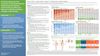
In this clinical trial, patients with lichen planopilaris treated with the oral TYK2 inhibitor deucravacitinib showed significant improvement in PGA, LPPAI, and Skindex-16 scores over 24 weeks, with transcriptomic analyses indicating decreased inflammatory and immune pathway activity post-treatment.
 79 citations
,
September 2018 in “Dermatologic therapy”
79 citations
,
September 2018 in “Dermatologic therapy” This study found that treatment with oral tofacitinib, alone or with other therapies, was associated with clinical improvement in most patients with recalcitrant lichen planopilaris.