 1 citations
,
July 2020 in “Journal of cosmetic dermatology”
1 citations
,
July 2020 in “Journal of cosmetic dermatology” This case report describes a patient with systemic lupus erythematosus who developed both alopecia areata and lichen planopilaris despite immunosuppressive treatment, suggesting a shared immunopathogenesis between these disorders.
This study observed that antifungal treatment in fungal asthma patients led to a significant decrease in oral corticosteroid use, though the clinical importance remains unclear due to potential confounders.
 January 2023 in “Indian Dermatology Online Journal”
 This study found that there was no significant difference in hair regrowth between clobetasol and bimatoprost for scalp alopecia areata over 12 weeks, but bimatoprost had fewer side effects and prompted earlier, more pigmented hair regrowth.
 September 2021 in “Journal of skin and stem cell”
 Lactium, a milk protein, can help reduce symptoms of skin disorders linked to stress and anxiety without side effects.
 1 citations
,
February 2015 in “Journal of evolution of medical and dental sciences”
1 citations
,
February 2015 in “Journal of evolution of medical and dental sciences” This study concluded that 0.05% betamethasone dipropionate cream is more effective than other topical treatments for improving alopecia areata over 12 weeks.
 24 citations
,
March 1998 in “Mycoses”
24 citations
,
March 1998 in “Mycoses” In this study, 31 children with kerion Celsi were treated successfully with antifungal medications, emphasizing the importance of early diagnosis and treatment to prevent scarring and hair loss.
2 citations
,
March 1964 in “Archives of Dermatology” This study found no significant difference in the therapeutic response to intralesional triamcinolone acetonide at concentrations of 2.5, 5, and 10 mg/mL for various dermatologic conditions.
 3 citations
,
February 2024 in “Journal of the American Academy of Dermatology”
3 citations
,
February 2024 in “Journal of the American Academy of Dermatology” This source discusses that while oral JAK inhibitors are used for treating lichen planopilaris and frontal fibrosing alopecia, they carry significant risk of adverse events; two cases showed promising results using tofacitinib cream as a safer topical alternative.
 February 2020 in “Definitions”
 This article discusses a proprietary botanical lotion with potential to reverse chemotherapy-induced alopecia, restore hair cycles, and improve patient wellbeing; however, it reports no new clinical results.
 1 citations
,
October 2024 in “Dermatology Practical & Conceptual”
1 citations
,
October 2024 in “Dermatology Practical & Conceptual” In this double-blind randomized controlled trial, both rosemary extract lotion and 2% ketoconazole lotion were effective for treating scalp seborrheic dermatitis, but rosemary lotion reduced itching more significantly, while ketoconazole was more effective in reducing dandruff.
October 2024 in “International Journal of Pharmaceutics” This study found that a topical formulation with nanostructured lipid carriers containing finasteride significantly restored hair follicles in androgenetic alopecia-induced rats without systemic absorption, suggesting its potential for safer and effective AGA treatment.
2 citations
,
April 2022 in “Medicine” This case study reports the first documented instance of kerion Celsi in a child caused by Microsporum gypseum, likely transmitted from a guinea pig, with remission observed following combination therapy.
12 citations
,
August 2016 in “Biomedical Chromatography” This study developed and validated an HPLC-UV method for accurately quantifying clobetasol propionate in skin and hair follicles, demonstrating its application in in vitro permeation experiments.
 22 citations
,
March 1963 in “Archives of dermatology”
22 citations
,
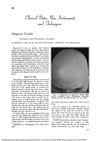
March 1963 in “Archives of dermatology” This case report describes hair regrowth in a patient with alopecia totalis using fluocinolone acetonide cream applied under thin plastic films.
January 2018 in “Surgical and Cosmetic Dermatology” This study found that treatments with 5% minoxidil, with or without latanoprost, were effective in controlling hair loss and increasing hair strand count in patients with telogen effluvium or androgenic alopecia.
 October 2022 in “Portuguese journal of dermatology and venereology”
 This review examines current evidence on the optimal concentration of intralesional corticosteroids for treating limited, patchy alopecia areata and provides no new clinical findings.
December 2024 in “JAAD International” 9 citations
,
May 1996 in “Pediatric Dermatology” This article discusses the colocalization of alopecia areata and lichen planus in pediatric dermatology and does not present new clinical results.
August 2025 in “Saudi Pharmaceutical Journal” This study developed a new suspended ointment formulation containing neomycin sulfate and triamcinolone acetonide, which showed promise for treating neurodermatitis and chronic eczema by ensuring stable composition, effective skin penetration, and no skin irritation.
40 citations
,
March 2019 in “Pharmaceutical development and technology” The study found that cyproterone acetate-loaded nanostructured lipid carriers, particularly those with a 300 nm diameter, improved skin penetration and targeted hair follicles more effectively than free cyproterone acetate.
 1 citations
,
January 2024 in “Journal of Cutaneous and Aesthetic Surgery”
1 citations
,
January 2024 in “Journal of Cutaneous and Aesthetic Surgery” This study found that treating patchy alopecia areata with fractional CO2 laser and topical triamcinolone acetonide was more effective and safer than intralesional triamcinolone, despite higher initial discomfort, as it resulted in greater patient satisfaction and fewer adverse effects like skin atrophy.
1 citations
,
June 2022 in “International Journal of Infectious Diseases” This case report identifies a 13-year-old boy with disseminated tinea incognito, emphasizing the importance of considering fungal infections when red and scaly lesions persist despite corticosteroid treatment.
1 citations
,
August 2021 in “Journal of Investigative Dermatology” ASLAN004 was safe and well-tolerated, supporting further development for treating certain diseases.
March 2019 in “Reactions Weekly”  22 citations
,
April 2000 in “International Journal of Dermatology”
22 citations
,
April 2000 in “International Journal of Dermatology” This case report describes a 78-year-old farmer with idiopathic pulmonary fibrosis who developed cutaneous Alternaria alternata infections, which improved with reduced prednisolone and itraconazole treatment, with no recurrence after two years.
 3 citations
,
July 2019 in “Supportive Care in Cancer”
3 citations
,
July 2019 in “Supportive Care in Cancer” The lotion CG428 did not show effectiveness in treating permanent hair loss in breast cancer survivors.
 May 2026 in “Drug Delivery and Translational Research”
 Nanocarriers with spironolactone and 2-deoxy-D-ribose may improve hair loss treatment by targeting hair follicles directly.
 January 2018 in “Hair transplant forum international”
 This study explores the use of low-dose naltrexone as a novel treatment for lichen planopilaris, but specific results or outcomes are not detailed in the abstract.
This study found that a hair tonic formulation containing 1.5% light fraction patchouli oil demonstrated strong antifungal activity against Malassezia globosa and promoted hair growth in rabbits, suggesting potential benefits for hair care despite the need for human clinical trials to confirm safety and effectiveness.
March 2004 in “Journal of the American Academy of Dermatology” This study found that topical and intralesional corticosteroids are effective in treating the primary symptoms of lichen planopilaris and promoting hair regrowth in the active perimeter of alopecic patches.