 October 2025 in “Journal of Nanobiotechnology”
 This study reports that using a hydrogel-based therapy that dynamically regulates reactive oxygen species helps achieve skin regeneration in infected wounds, promoting organized dermal architecture with improved hair follicle and blood vessel formation, rather than scar formation.
17 citations
,
January 2024 in “Burns & Trauma” The researchers reported that exosomes from hypoxic M2 macrophages, enriched with miR-26b-5p, promoted proliferation, migration, and invasion in human keloid fibroblasts through the PTEN-PI3K/AKT pathway, highlighting miR-26b-5p's role in keloid development.
December 2024 in “AACE Clinical Case Reports” This study highlights a rare case of ovarian hyperthecosis in a 58-year-old postmenopausal woman, presenting with polycythemia and severe hyperandrogenism symptoms, with resolution of symptoms following laparoscopic bilateral oophorectomy.
24 citations
,
January 2023 in “Frontiers in Medicine” Moist Exposed Burn Ointment speeds up healing of diabetic wounds.
 November 2022 in “Journal of Investigative Dermatology”
 This study suggests that human dermal papilla cells respond to hypoxia by increasing the expression of HIFs, TGF-β2, and BMP4, which may influence hair cycle regulation.
2 citations
,
August 2024 in “Molecular Genetics & Genomic Medicine” In this case study, an 8-day-old neonate with holocarboxylase synthetase deficiency showed dramatic improvement in lactic acidosis and overall clinical condition following biotin mega-dose therapy, highlighting the importance of early genetic testing and timely treatment in such metabolic disorders.
 1 citations
,
September 2023 in “International Journal of Biological Macromolecules”
1 citations
,
September 2023 in “International Journal of Biological Macromolecules” This study found that a novel in-situ crosslinked self-healing hydrogel made from oxidized Bletilla striata polysaccharide and cationic gelatin enhanced wound healing and showed strong hemostatic performance in animal models, suggesting its potential as an effective wound dressing for skin trauma.
 2 citations
,
January 2023 in “Bioresource Technology Reports”
2 citations
,
January 2023 in “Bioresource Technology Reports” This study suggests that using glycosidases to lyse the polysaccharides of Botryoccocus braunii may allow for the semi-continuous recovery of hydrocarbons while keeping the cells viable.
 June 2023 in “Dermatology and Therapy”
 This study found that for patients with moderate-to-severe chronic hand eczema, combining fractional CO2 laser with halometasone cream was more effective than using halometasone cream alone, with a higher treatment success rate and fewer relapses, though skin pigmentation was a common side effect.
3 citations
,
March 2025 in “Arthritis Research & Therapy” This study found that combining high-density fat grafting with botulinum toxin A significantly improved symptoms of Raynaud’s phenomenon, including reducing pain and cold sensitivity, speeding up ulcer healing, and enhancing blood perfusion, compared to fat grafting alone.
January 2026 in “Journal of Materials Chemistry B” In this study, researchers developed a delivery system using a deep eutectic solvent to improve hydroxytyrosol absorption for hair regrowth, achieving over threefold greater skin penetration compared to aqueous solutions and demonstrating its effectiveness and biocompatibility in hair regrowth and ROS-scavenging tests.
6 citations
,
November 2019 in “Journal of Cosmetic Dermatology” This study found that applying a 1% BOI lotion improved hair density and thickness in patients with mild pattern hair loss over six months.
 June 2023 in “LA Referencia (Red Federada de Repositorios Institucionales de Publicaciones Científicas)”
 Home photobiomodulation therapy can improve life quality and mobility for disabled individuals.
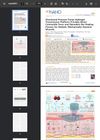
This study developed a directional pressure-pump hydrogel delivery platform that enhances wound healing in diabetic mechanically dynamic wounds by targeting antibacterial agents and nanozymes directly to the lesion site, disrupting biofilms, mitigating tissue damage, and supporting proper skin closure and vascular remodeling in animal models.
3 citations
,
September 2024 in “Animal Cells and Systems” In this study, researchers found that a specific Sargassum horneri extract processed via low-temperature pulverization improved burn wound healing in mice by enhancing re-epithelialization and reducing inflammation and oxidative stress, highlighting its potential as a therapeutic candidate.
May 2026 in “International Journal of Cosmetic Science” This study found that repeated exposure to ozonated water caused oxidative changes in hair proteins, lipids, and pigments, leading to altered hair properties, with minimal effects on shine and color.
 December 2024 in “ACS Applied Materials & Interfaces”
 In this study, dynamic hyaluronic acid hydrogels with properties like injectability and controlled degradation were developed to enhance healing and remodeling of diabetic wounds, achieving effects such as inflammation reduction, increased angiogenesis, and neovascularization, leading to complete wound healing.
1 citations
,
April 2024 in “PubMed” This article reviews the mechanisms and applications of photobiomodulation in trauma repair and medical aesthetics, but reports no new clinical results while highlighting its growing clinical significance.
116 citations
,
April 2022 in “Science Translational Medicine” This study found that the hydrophilic PTK-UR foam with EG7 repeats significantly improved wound healing in porcine skin wounds compared to other scaffolds, suggesting potential for synthetic biomaterial applications.
In this case series, researchers reported an unexpectedly rapid and positive response to a topical, hydrogel-based botanical treatment for androgenetic alopecia in both male and female volunteers, achieving significant improvement in hair loss within 90 days instead of the planned 270 days.
November 2025 in “Photochemistry and Photobiology” This review article identifies a need for standardized guidelines in using photobiomodulation therapy for spinal cord injury repair, emphasizing that current inconsistencies in therapy parameters may hinder optimal outcomes and limit clinical trials.
 February 2026 in “International Journal of Molecular Sciences”
 This review discusses the potential benefits of hyperthermia in cancer therapy, combined with natural compounds, to enhance treatment efficacy and reports no new clinical results.
 June 2024 in “International journal of biological macromolecules”
 This study reports that beta-glucan hybrid hydrogels, reinforced with laponite nanoclay, showed promising results in rat models for managing hemorrhage and diabetic wound healing by enhancing hemostasis, reducing inflammation, and promoting faster wound closure and tissue regeneration.
November 2025 in “Advanced Science” In this study, researchers developed a polyphenol–amino acid nanozyme capable of controlled hydrogen peroxide delivery, which effectively activated hair follicles via oxidative stress in a mouse model, suggesting a potential non-pharmacological treatment for alopecia.

In this study, researchers explored how hypoxic preconditioning affects the survival and oxidative stress resilience of nestin-expressing hair follicle stem cells and SH-SY5Y neuroblastoma cells, focusing on changes in gene expression for HIF1α, BDNF, and VEGF.
 1 citations
,
April 2025 in “JOJ Dermatology & Cosmetics”
1 citations
,
April 2025 in “JOJ Dermatology & Cosmetics” In this study, researchers evaluated the efficacy of a collagen booster used alongside CO2 fractional laser treatment for skin aging, finding that the combination treatment affected the vascularization and healing process of the skin on a healthy adult's forearm.
 April 2017 in “Journal of Investigative Dermatology”
 This study found that 10% carbamide peroxide significantly reduced acne lesions compared to a vehicle solution, suggesting it as an effective and safe alternative to benzoyl peroxide for treating mild to moderate acne.
This health hazard evaluation by NIOSH identified problems with ventilation and environmental control at a resort spa, potentially contributing to reported employee health complaints.
4 citations
,
January 2012 This study found no significant difference in burn healing between rats treated with carboxytherapy and a control group.
26 citations
,
November 2019 in “Medical Science Monitor” This study found that photobiomodulation via LED light at 630 nm and 810 nm increased proliferation and mineralization in osteoblast-like cells, with comparable effects between the two wavelengths.