 11 citations
,
March 2019 in “EMBO molecular medicine”
11 citations
,
March 2019 in “EMBO molecular medicine” This paper reviews the role of endoplasmic reticulum stress and the unfolded protein response in Hutchinson-Gilford progeria syndrome-related atherosclerosis, especially in vascular smooth muscle cells, but reports no clinical findings; intervention in these pathways is suggested as a potential therapeutic strategy.
 April 2026 in “Tissue Engineering and Regenerative Medicine”
 This study found that the GPRC6A-Duox1 signaling pathway influences hair cycle progression and testosterone-mediated hair loss in mice, suggesting that disruption of this pathway leads to resistance against testosterone-induced hair loss and longer anagen phase duration.
 31 citations
,
October 2010 in “Progress in lipid research”
31 citations
,
October 2010 in “Progress in lipid research” This review discusses the role of LPA(3) in embryo implantation and its genetic connection with prostaglandin signaling, but reports no new clinical results.
 April 2026 in “Frontiers in Cell and Developmental Biology”
 This study found that PGRP-S expression in mouse epidermis is specific to certain hair follicle epithelia, depending on the skin region, and can be transiently induced in flank skin hair follicle epithelium after exposure to Staphylococcus aureus, suggesting a role in environmental surveillance.
 22 citations
,
October 2001 in “Biochemical Pharmacology”
22 citations
,
October 2001 in “Biochemical Pharmacology” This study found that GI198745 acts as a time-dependent inhibitor of rat 5α-reductase type 2 but a rapid-equilibrium inhibitor of type 1, potentially making it more effective than finasteride in preventing rat prostate growth.
 36 citations
,
February 2017 in “BMC Complementary and Alternative Medicine”
36 citations
,
February 2017 in “BMC Complementary and Alternative Medicine” In this study, Geranium sibiricum L. extract promoted hair growth in vitro with human dermal papilla cells and in vivo in mice, outperforming minoxidil by proliferating cells and stimulating growth factor expression, suggesting its potential as a hair growth treatment.
211 citations
,
February 1994 in “Proceedings of the National Academy of Sciences” This study found that overexpression of parathyroid hormone-related peptide in transgenic mice skin disrupted normal hair follicle development, suggesting a role for the peptide in the early stages of follicle formation.
 73 citations
,
April 2013 in “Stem cells”
73 citations
,
April 2013 in “Stem cells” This study found that LGR5 is uniquely expressed in human corneal endothelial cells and maintains endothelial cell phenotypes while inhibiting mesenchymal transformation through the Wnt pathway.
280 citations
,
January 2004 in “The EMBO Journal” AGC2-1 protein is essential for root hair growth in Arabidopsis.
 April 2018 in “Journal of Investigative Dermatology”
 This study found that the PPAR-γ modulator AGED can reverse epithelial-mesenchymal transition in hair follicles affected by lichen planopilaris ex vivo, suggesting potential for treating scarring alopecias.
March 2008 in “The FASEB Journal” This study found that neurosteroid withdrawal significantly increased hippocampal GABA-A receptor α4 subunit expression in female mice, confirming an association between neurosteroid withdrawal and altered receptor expression.
 April 2018 in “Radiotherapy and Oncology”
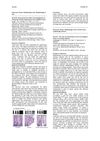
 Prostaglandin helps regenerate hair follicles after radiation damage.
 March 2024 in “Nutrients”
 This study found that Gynostemma pentaphyllum leaf hydrodistillate (GPHD) promoted hair growth in mice similarly to minoxidil and upregulated growth factor expression via the AKT/β-catenin signaling pathway, with damulin B identified as an active component contributing to these effects.
49 citations
,
September 2015 in “Psychoneuroendocrinology” This study suggests that the 5α-reductase inhibitor finasteride modulates sensorimotor gating in rats by affecting D1 and D3 receptors, but not D2 receptors, with varying effects based on genetic strain.
In these aquatic laboratory studies, researchers found that Finasteride reduced dihydrotestosterone levels in fathead minnows and increased gene expression related to androgen pathways in both minnows and medaka, indicating potential conservation of pharmaceutical effects on androgen biosynthesis across different species.
 9 citations
,
September 2017 in “Journal of Investigative Dermatology Symposium Proceedings”
9 citations
,
September 2017 in “Journal of Investigative Dermatology Symposium Proceedings” In this study, PGD2 was shown to increase testosterone production in human keratinocytes through reactive oxygen species, suggesting potential benefits of antioxidants like N-acetyl-cysteine for AGA patients.
 18 citations
,
February 2018 in “International Journal of Molecular Sciences”
18 citations
,
February 2018 in “International Journal of Molecular Sciences” This study found that prostaglandin D2 promotes androgen receptor and AKT signaling in human dermal papilla cells through the DP2 receptor, potentially contributing to androgenetic alopecia.
 1 citations
,
January 2023 in “Life sciences”
1 citations
,
January 2023 in “Life sciences” This study demonstrated that elevated GABA levels can worsen stress-induced hair growth inhibition in mice, while GABAA antagonists like ginkgolide A may help alleviate these effects.
 13 citations
,
August 2020 in “Frontiers in Immunology”
13 citations
,
August 2020 in “Frontiers in Immunology” This review explores the expression of Perforin by gamma delta T cells in human skin and its role in cytotoxicity but reports no new experimental results.
 September 2020 in “Oxford University Press eBooks”
 This article discusses how understanding a genetic condition with a 5-alpha reductase mutation led to developing finasteride to treat benign prostatic hyperplasia and male pattern baldness, reporting no new research results.
151 citations
,
August 2011 in “The EMBO Journal” The enzyme PA-PLA1α is important for proper hair follicle development.
 238 citations
,
February 2007 in “Journal of Neuroscience”
238 citations
,
February 2007 in “Journal of Neuroscience” This study found that neurosteroids can reorganize GABA A receptors in mice, mimicking ovarian cycle changes, with the process being mediated by neurosteroid levels rather than direct hormone receptor activation.

This study found that pectin lyase-modified red ginseng extract (GS-E3D) may promote hair growth by enhancing antioxidant and anti-inflammatory effects, proliferating hair dermal papilla cells, and inhibiting 5α-reductase activity.
1 citations
,
April 2011 in “The FASEB Journal” This study suggests that the regulation of GABA‐A δ subunit expression by ovarian progesterone-derived neurosteroids may influence seizure susceptibility in catamenial epilepsy.
12 citations
,
August 2015 in “Experimental Dermatology” This study indicated that the mineralocorticoid receptor (MR) plays a transient role in regulating epidermal differentiation during late embryonic stages, with glucocorticoid receptor (GR) potentially compensating for MR loss during the perinatal period.
 1 citations
,
April 2018 in “Journal of Investigative Dermatology”
1 citations
,
April 2018 in “Journal of Investigative Dermatology” This study found that Polycomb repressive complex 1 is crucial for skin development and stem cell specification, influencing gene activity beyond its known repressor functions.
 3 citations
,
January 2005 in “Biological & Pharmaceutical Bulletin”
3 citations
,
January 2005 in “Biological & Pharmaceutical Bulletin” This study reports that the peptide GPIGS, found in Bacillus sp. M18 conditioned medium, may promote hair growth through the PI-3K/Akt pathway and accelerate hair regrowth in mice.

This study found that the Padina arborescens extract and its component MOGG may prevent hair loss by inhibiting 5α-reductase activity, promoting cell proliferation, opening the KATP channel, and increasing PGE2 production in laboratory settings.
28 citations
,
November 2009 in “European Journal of Neuroscience” This study found that progesterone can increase glycine release in rat brainstem neurons through its conversion to allopregnanolone, which modulates presynaptic GABA receptor activity.
January 2025 in “Biochimica et Biophysica Acta (BBA) - Molecular Cell Research” This study found that EGCG, a compound from green tea, may enhance the proliferation and antioxidant activity of dermal papilla cells by upregulating VEGFA expression, potentially aiding hair follicle growth.