January 2019 in “The Pharma Innovation Journal” This study found that optimal antioxidant properties of a cream-mask, as indicated by extended Paramecium caudatum motor activity in a toxic environment, were achieved with 10% Sophora japonica tincture and 5% Serenoa repens dry extract.
11 citations
,
December 2021 in “Journal of Ginseng Research/Journal of ginseng research” This review discusses the chemical composition, potential health benefits, and extraction methods of red ginseng oil, and reports no new clinical results but emphasizes safety and proposed molecular mechanisms.
January 2003 in “Dialnet (Universidad de la Rioja)” This study isolated highly pure oleanolic and maslinic acids from olive milling residues, exploring their chemical reactions, including the formation of finasteride precursors.
March 2019 in “Reactions Weekly”  11 citations
,
July 2020 in “Journal of Cosmetic Dermatology”
11 citations
,
July 2020 in “Journal of Cosmetic Dermatology” This study found that a 1% Sandalore® solution reduced hair shedding and improved hair volume and anagen phase duration in women with telogen effluvium over 24 weeks, compared to placebo.
 22 citations
,
February 2002 in “Planta Medica”
22 citations
,
February 2002 in “Planta Medica” In this study, osthenol was identified as a highly potent inhibitor of 5alpha-reductase type I in LNCaP cells, significantly outperforming finasteride.
 33 citations
,
May 2013 in “Andrologia”
33 citations
,
May 2013 in “Andrologia” This study identified several herbs, including Ganoderma lucidum and Urtica dioica, that showed promising 5α-reductase inhibitory activity suggesting potential use in managing androgenic disorders.
February 2023 in “Reactions Weekly” In this study, rosemary extracts (essential oil, hydrolate, and alcoholic extract) significantly stimulated hair growth in male mice compared to distilled water and even to commercial minoxidil, with rosemary groups showing statistically superior results on hair length.
 68 citations
,
April 2002 in “Journal of Alternative and Complementary Medicine”
68 citations
,
April 2002 in “Journal of Alternative and Complementary Medicine” This study suggests that botanical 5AR inhibitors like Serenoa repens and β-sitosterol may improve symptoms of androgenetic alopecia, with 60% of treated subjects showing improvement compared to placebo.
 December 1998 in “Acta Crystallographica Section C-crystal Structure Communications”
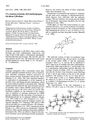
 This study describes the molecular conformation and intermolecular interactions in the crystalline structure of the compound C24H31BrO4.
 38 citations
,
January 2002 in “Biological & Pharmaceutical Bulletin”
38 citations
,
January 2002 in “Biological & Pharmaceutical Bulletin” This study reported that the aqueous ethanol extract of Lygodii Spora demonstrated in vitro testosterone 5alpha-reductase inhibition and in vivo anti-androgenic activity, potentially due to oleic, linoleic, and palmitic acids.
August 2025 in “Ciencia Latina Revista Científica Multidisciplinar” This study identified various therapeutic applications of rosemary in humans, including cellular, dental, dermatological, metabolic, respiratory, and nervous system conditions, supporting its potential in evidence-based medicine.
This study found that the Padina arborescens extract and its component MOGG may prevent hair loss by inhibiting 5α-reductase activity, promoting cell proliferation, opening the KATP channel, and increasing PGE2 production in laboratory settings.
December 2025 in “The International Journal of Medical Science and Health Research” This literature review explored the potential of Rosmarinus Officinalis as a plant-based solution for Androgenetic Alopecia, highlighting its effectiveness and minimal side effects compared to conventional treatments, which often have significant adverse effects.
 June 2024 in “Korean Journal of Pharmacognosy”
 This study found that taxifolin glycosides isolated from Rhododendron mucronulatum showed promise for developing treatments for male pattern hair loss by inhibiting DHT production and enhancing hair growth-promoting factors.
 10 citations
,
December 1996 in “Fertility and Sterility”
10 citations
,
December 1996 in “Fertility and Sterility” This study found that in women with acne vulgaris, lower serum levels of 3α-androstanediol-glucuronide suggest reduced 5α-reductase activity compared to controls, indicating that 5α-reductase inhibitors may not be effective for acne treatment.
 4 citations
,
January 1989 in “Journal of Steroid Biochemistry”
4 citations
,
January 1989 in “Journal of Steroid Biochemistry” This study suggests that 5-ADIOL-S may contribute to the synthesis of potent androgens in peripheral tissues, and 3 alpha-DIOL-S could be a marker of androgen metabolism in various female patient groups.
 May 2018 in “Más dermatología”
 In this study, among postmenopausal women with female androgenetic alopecia, the combination of Pygeum africanum and Serenoa repens extracts at higher doses plus MSM significantly increased total hair growth and hair resistance compared to a lower dose formulation after 16 weeks.
 December 2024 in “Frontiers in Pharmacology”
 In this study, human cell models of hair follicles showed that araliadiol, a plant-derived polyacetylene compound, promotes hair growth through the p38/PPAR-γ signaling pathway, suggesting its potential as a new drug candidate for alopecia treatment.
 November 2023 in “International Journal of Pharmaceutics”
 This study reported that a novel ionic liquid delivery system combining ferulic acid and finasteride enhanced the solubility, skin permeation, and effectiveness in promoting hair regrowth in androgenetic alopecia mice, suggesting an improved topical treatment approach.
February 2023 in “Reactions Weekly”  September 2019 in “Journal of Investigative Dermatology”
 This clinical trial found that Sandalore® 1% significantly reduced hair shedding and increased hair volume and anagen hair follicles in women with telogen effluvium compared to placebo.

The document concludes that scientists created various steroids with different properties, including a more effective semi-synthetic vitamin D.
April 2019 in “The journal of investigative dermatology/Journal of investigative dermatology” This study suggests that stimulating olfactory receptors in human hair follicles with Sandalore® increases antimicrobial activity by upregulating dermcidin production, potentially offering a novel approach for treating hair follicle diseases with bacterial issues.
 December 2025 in “Scientific Reports”
 In this study, cedrol was found to reduce lipid accumulation in the liver and adipose tissues of dexamethasone-treated mice by antagonizing glucocorticoid receptors, suggesting its potential utility in treating dexamethasone-induced lipid metabolism disorders.
This review highlights that certain plant species, like Glycyrrhiza inflata and rosemary, show potential in treating skin diseases such as rosacea and alopecia, but emphasizes the need for more clinical studies to validate these findings.
 March 2026 in “Scientific Reports”
 This study found that Cnidium officinale extract and its compound ferulic acid improved hair growth by promoting dermal papilla cell function and mitochondrial activity, suggesting their potential as a new treatment option for alopecia, possibly through estrogen receptor alpha activation.
 2 citations
,
October 2001 in “Analytical Sciences”
2 citations
,
October 2001 in “Analytical Sciences” A new compound that could treat various androgen-related conditions was created and analyzed.
 November 2024 in “Journal of Investigative Dermatology”
 Reishi mushroom extract may help treat hair loss.