 22 citations
,
October 2020 in “Frontiers in Cell and Developmental Biology”
22 citations
,
October 2020 in “Frontiers in Cell and Developmental Biology” This study found that resveratrol and fisetin promoted hair growth in mice by inducing telomerase reverse transcriptase expression, which activates hair follicle stem cells and transitions follicles from a resting to a growth phase.
 1 citations
,
May 2021 in “Annals of the rheumatic diseases”
1 citations
,
May 2021 in “Annals of the rheumatic diseases” This study found that tofacitinib may be effective for treating pediatric rheumatic diseases, with especially promising results in patients with autoinflammatory diseases, arthritis and alopecia, and juvenile dermatomyositis.
 5 citations
,
May 2011 in “Movement Disorders”
5 citations
,
May 2011 in “Movement Disorders” Finasteride significantly reduced tics and obsessive-compulsive symptoms in Tourette syndrome patients.
 12 citations
,
July 2017 in “Journal of cosmetic dermatology”
12 citations
,
July 2017 in “Journal of cosmetic dermatology” This study suggests that infrared thermography may be a useful noninvasive tool for diagnosing active phases of frontal fibrosing alopecia when combined with dermoscopy.
July 2022 in “Journal of Cosmetic Dermatology” This study found that in patients with frontal fibrosing alopecia, combining topical tacrolimus with isotretinoin is more effective after four weeks of treatment compared to tacrolimus with finasteride, though both regimens offered some benefit.
 1 citations
,
November 2023 in “Journal of cosmetic dermatology”
1 citations
,
November 2023 in “Journal of cosmetic dermatology” This study developed a novel antidandruff shampoo with ketoconazole-coated zinc oxide nanoparticles that showed enhanced antifungal activity against Malassezia furfur compared to standard ketoconazole treatments, suggesting it could be a more effective alternative for dandruff management.
January 2013 in “edoc (University of Basel)” This study found that TRF1 plays a crucial role in maintaining pluripotency and stem cell compartments, but it is not a suitable in vivo telomere length marker.
May 2008 in “10th European Congress of Endocrinology” This study discovered that TTR is expressed in the human placenta as early as 6 weeks gestation, with increased levels in the first trimester potentially facilitating thyroid hormone delivery to the fetus.
 8 citations
,
September 2016 in “Journal of Investigative Dermatology”
8 citations
,
September 2016 in “Journal of Investigative Dermatology” In this study, Flii overexpression in mice enhanced fingertip regeneration and nail formation after both distal and proximal amputations, suggesting a role in digit and hair follicle regeneration possibly involving Wnt signaling.
 February 2024 in “Skin research and technology”
 The researchers in this study identified molecular mechanisms involved in frontal fibrosis alopecia, highlighting immune response and fatty acid metabolism, and developed a four-gene diagnostic model showing high accuracy in distinguishing affected individuals from controls.
 2 citations
,
November 2007 in “Hair transplant forum international”
2 citations
,
November 2007 in “Hair transplant forum international” This abstract introduces the concept of follicular units (FUs) in the human scalp but presents no new research findings.
 February 2006 in “Journal of The American Academy of Dermatology”
 Terbinafine is more effective than itraconazole for toenail fungus, especially in older patients, and debridement improves its effectiveness.
 December 2016 in “Journal of Dermatology and Dermatologic Surgery”
 In this study, the Instant Follicular Hair Unit Transplant technique demonstrated superior hair growth compared to conventional FUE in patients with androgenetic alopecia, although it requires a steeper learning curve for surgeons.

This case report describes a 14-year-old female with tufted hair folliculitis, where isotretinoin reduced inflammation and exudation but persistent hair tufting remained, highlighting the challenges in treating this rare condition.
January 1990 in “Medical Entomology and Zoology” This study developed a faster method for analyzing fatty acid ethyl esters in hair to help detect alcohol consumption levels, showing potential for applications in forensic and clinical settings.
20 citations
,
July 2005 in “Experimental dermatology” This study found that the fuzzy mutation in mice is linked to both structural hair defects and accelerated hair follicle cycling, influencing the regulation of hair cycle phases such as catagen and anagen.
 6 citations
,
October 2012 in “Journal of Heredity”
6 citations
,
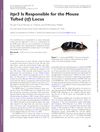
October 2012 in “Journal of Heredity” This study identified the Itpr3 gene as responsible for the tufted hair loss phenotype in the BTBR mouse strain.
The researchers reported that human foreskin fibroblasts isolated by enzyme digestion method proliferated faster and were purified more quickly than those isolated by the inverted tissue culture method; additionally, post-psoralen photoactivation therapy moderately repaired UVB-induced damage in these fibroblasts, suggesting potential clinical applications.
 1 citations
,
January 2020
1 citations
,
January 2020 This study found that Ift20 is essential for hair follicle stem cell identity and hair regrowth, and it regulates keratinocyte migration during wound healing through focal adhesion integrin recycling, independently of ciliogenesis.
August 2025 in “BMC Pharmacology and Toxicology” The LTF gene may help predict and manage nonspecific orbital inflammation.
 March 2024 in “Current materials science”
 This study explores the various properties of the flavonoid fisetin, highlighting its potential therapeutic applications due to its ability to modulate numerous biological pathways, suggesting benefits in conditions like inflammation, cancer, and neurodegenerative diseases.
November 2025 in “Journal of Investigative Dermatology”  1 citations
,
April 2017 in “Journal of Investigative Dermatology”
1 citations
,
April 2017 in “Journal of Investigative Dermatology” In this study, D-OCT imaging revealed distinct structural and vascular changes in patients with frontal fibrosing alopecia, highlighting the technique's potential for diagnosing and monitoring the condition's activity.
 September 2022 in “XXXIX Congresso Brasileiro de Reumatologia”
 In this case report, a 42-year-old woman with cutaneous dermatomyositis showed significant improvement, including reduction of erythema, pruritus, and scaling, after starting JAK inhibitor tofacitinib, especially when conventional systemic treatments failed and intravenous immune globulin wasn't viable.
3 citations
,
May 2024 in “Indian Journal of Dermatology” In this case report, researchers identified a potential adverse skin reaction, called SDRIFE or Baboon syndrome, caused by the drug tofacitinib in a 19-year-old woman being treated for alopecia subtotalis, leading the authors to recommend discontinuation of the drug.
 September 2017 in “Journal of Dermatology & Cosmetology”
 This study reports a case of frontal fibrosing alopecia associated with hepatitis C treatment involving interferon and ribavirin.
 April 2017 in “Journal of Investigative Dermatology”
 This study found that fisetin, a dietary flavonoid, significantly improved psoriasiform skin lesions in mice by promoting cell differentiation, inhibiting proliferation, and modulating inflammatory responses.
36 citations
,
February 1998 in “Journal of Anatomy” This study used fibre optic confocal imaging to visualize subsurface structures in live mouse skin, revealing cellular details and blood vessel networks that dynamic events could be studied in vivo.
 3 citations
,
February 2024 in “Journal of the American Academy of Dermatology”
3 citations
,
February 2024 in “Journal of the American Academy of Dermatology” This source discusses that while oral JAK inhibitors are used for treating lichen planopilaris and frontal fibrosing alopecia, they carry significant risk of adverse events; two cases showed promising results using tofacitinib cream as a safer topical alternative.
 39 citations
,
July 2015 in “British Journal of Dermatology”
39 citations
,
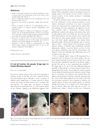
July 2015 in “British Journal of Dermatology” This article discusses the pseudo 'fringe sign' in frontal fibrosing alopecia, highlighting that it is not solely related to traction, and it reports no new clinical results.