1 citations
,
March 2012 in “Actas dermo-sifiliográficas/Actas dermo-sifiliográficas” Dermoscopy helps diagnose frontal fibrosing alopecia by identifying specific scalp features.
January 2023 in “Applied sciences” This study suggests that Equisetum debile extracts, particularly the ethyl acetate fraction, may offer natural cosmeceutical benefits for treating hyperpigmentation, delaying skin aging, and remediating hair loss due to androgenic alopecia.
 2 citations
,
April 2025 in “Lasers in Medical Science”
2 citations
,
April 2025 in “Lasers in Medical Science” This study found that combining fractional CO₂ laser with halometasone cream improved chronic eczema more effectively than halometasone alone, with efficacy varying by laser parameters and showing better results at 4 weeks compared to 1 week. Pain was noted with higher energy treatments.
May 2024 in “International journal of medicine and psychology.” This study found that patients with chronic-stage true eczema and comorbid depression experienced a more severe disease progression, marked by higher inflammation levels and significantly reduced quality of life compared to those without depression.
14 citations
,
July 1977 in “PubMed” This study reported that a 19-year-old man's essential fatty acid deficiency was reversed with daily topical application of linoleic acid, improving clinical symptoms and normalizing certain fatty acid levels.
January 1988 in “Toxicological Sciences” In this study, a single oral dose of 2,3,4,7,8-pentachlorodibenzofuran in male Fischer rats led to dose-dependent toxicity, resulting in weight loss, hepatotoxicity, and mortality.
This study suggests that ethyl acetate extract of Equisetum debile may be effective for functional food and nutraceutical use due to its strong 5α-reductase, IL-6 inhibition, and lipid peroxidation activities without cytotoxic effects.
1 citations
,
December 2013 in “Balkan Journal of Medical Genetics” This case study describes a 3.5-month-old girl with cystic fibrosis who experienced hair and skin depigmentation, which resolved after treatment with pancreatic enzymes and vitamins.
February 1968 in “PubMed” This abstract explores the roles of dermal fibroblasts and keratinocytes in hair follicle neogenesis and regeneration but does not present new experimental results; it suggests more study is needed on the dermal sheath.
1 citations
,
January 2012 in “Ancient Science of Life” This study found that the ethanol extract of Eclipta alba significantly reduced gastric lesions and enhanced gastroprotective activity in ulcer-induced rats, suggesting potent antisecretory effects potentially linked to antioxidant properties.
 November 2025 in “PARIPEX-INDIAN JOURNAL OF RESEARCH”
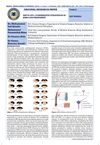
 GFC is more effective than PRP for treating hair loss.
 17 citations
,
August 2012 in “Journal of Medical Genetics”
17 citations
,
August 2012 in “Journal of Medical Genetics” This article reviews the genetic mutations associated with hypohidrotic ectodermal dysplasia and reports no new clinical results; the authors highlight the roles of EDA gene isoforms and related receptors.
 June 2026 in “Scholarly review .”
 This review discusses the impact of endocrine-disrupting chemicals on pediatric health, linking them to various disorders, and calls for improved biomonitoring strategies and precautionary policies.
 6 citations
,
August 2022 in “International Journal of Molecular Sciences”
6 citations
,
August 2022 in “International Journal of Molecular Sciences” This review summarizes the role of Ectodysplasin A signaling in skin appendage development and various diseases, noting potential clinical applications but reporting no new research findings.
 18 citations
,
October 2015 in “Journal of the European Academy of Dermatology and Venereology”
18 citations
,
October 2015 in “Journal of the European Academy of Dermatology and Venereology” This assessment of European Dermatology Forum guidelines found varying methodological quality, with S3 guidelines scoring highest overall, highlighting a need for standardization in guideline development.
9 citations
,
October 1989 in “Australian Journal of Agricultural Research” This study found that infused mouse epidermal growth factor induced wool follicle involution through a quasi-physiological process similar to catagen and a separate pathological action, resulting in fleece 'break' or shedding.
 July 2020 in “Benha Journal of Applied Sciences”
 This study found that patients with alopecia areata had higher serum levels of EGF compared to healthy controls, suggesting EGF's involvement in the condition's pathogenesis.
81 citations
,
March 2022 in “Frontiers in Bioengineering and Biotechnology” This review discusses advancements and challenges in bioengineered scaffolds for wound healing but presents no new experimental findings, highlighting their potential and need for further development.
12 citations
,
April 2023 in “Frontiers in Materials” This review discusses the biofunctionalization of hydrogel scaffolds for vascular tissue regeneration and reports promising results from in vivo studies, such as improved angiogenesis and healing in pressure ulcers when using specific peptides.
1 citations
,
March 2025 in “Molecular Medicine Reports” This review discusses the potential therapeutic effects of exosomes from various cell sources in treating acute kidney injury and explores their mechanisms, but reports no new clinical results.
July 2025 in “Microscopy and Microanalysis” In this research, scientists developed a compression therapy model using immobilized mice, successfully analyzing skin without causing injury, and observed increased epidermal thickness and changes in adipocyte volume, with no increase in DNA damage markers.
 August 2023 in “Military Medical Research”
 This review highlights that skin organoids, advanced three-dimensional models mimicking human skin, are emerging as effective alternatives to traditional culture models and human skin, overcoming limitations of two-dimensional systems and ethical concerns, and are being increasingly used in areas like developmental biology and disease modeling.
January 2000 in “The Journal of Trace Elements in Experimental Medicine” In this case report, an 11-year-old girl with acrodermatitis enteropathica experienced a complete resolution of symptoms following oral zinc therapy, highlighting its effectiveness in managing this condition.
 3 citations
,
April 2017 in “Clinical Drug Investigation”
3 citations
,
April 2017 in “Clinical Drug Investigation” The researchers concluded that after the 2013 EMA recommendation, there was an overall reduction in CPA/EE prescriptions, but no substantial change in patient diagnoses or potential concurrent hormonal contraceptive use.
 1 citations
,
November 2009 in “Cambridge University Press eBooks”
1 citations
,
November 2009 in “Cambridge University Press eBooks” This article reports that follicular unit extraction is a minimally invasive hair restoration technique that avoids linear scarring and reduces donor-site pain compared to traditional strip harvesting methods.
28 citations
,
June 2020 in “ACS Biomaterials Science & Engineering” This study found that a novel ECM patch combining human fibroblast-derived matrix and PVA hydrogel, seeded with human mesenchymal stem cells, significantly improved wound healing and tissue regeneration in a mouse model.
 3 citations
,
July 2018 in “Elsevier eBooks”
3 citations
,
July 2018 in “Elsevier eBooks” This case report describes an elderly man with erosive pustular dermatosis of the scalp, who improved with potent topical corticosteroids followed by maintenance with topical tacrolimus.
6 citations
,
May 2012 in “The Journal of Dermatology” This letter reports on a case of intractable ophiasis-type alopecia areata that was presumably improved by fexofenadine, but no new clinical results are presented.
 1 citations
,
October 2022 in “European medical journal”
1 citations
,
October 2022 in “European medical journal” This summary reports that the 31st EADV Congress in Milan featured over 170 sessions with more than 600 speakers, offering dermatology and venereology professionals a platform to innovate practices and enhance patient care through global collaboration.
1 citations
,
January 2022 in “Clinical Cases in Dermatology” This case report describes a 22-year-old Asian man with erosive pustular dermatosis of the scalp, whose lesions improved after treatment with topical tacrolimus and oral isotretinoin.