
This study evaluated the effect of intralesional injections of lyophilized Platelet Derived Growth Factors in 42 patients with Peyronie's disease and found significant reductions in penile curvature and plaque size, along with improvements in Peyronie's Disease Questionnaire scores, suggesting a potential treatment role.
August 2025 in “JEADV Clinical Practice” In this case report, researchers documented a 71-year-old woman with both alopecia areata and bullous pemphigoid who showed significant improvement using dupilumab after other treatments failed, highlighting its potential for autoimmune diseases with overlapping inflammatory mechanisms.
This study found that encapsulating dermal papilla spheroids in alginate hydrogel with extracellular matrix proteins increased alkaline phosphatase activity, suggesting an enhanced manipulation of dermal papilla activity.
 May 2025 in “Galen Medical Journal”
 This research highlights advancements in understanding and treating psoriasis, finding that targeted therapies like IL-17 and IL-23 inhibitors show promise, but challenges such as adverse events, treatment resistance, and the need for personalized approaches remain.
13 citations
,
August 1995 in “British Journal of Dermatology” This study found that dapsone treatment for severe alopecia areata resulted in hair regrowth rates similar to spontaneous recovery, making it significantly less effective than topical immunotherapy.
 February 2020 in “International Journal of Research in Dermatology”
 This study emphasizes that erosive pustular dermatosis of the scalp is an underrecognized condition, and increased awareness and diagnosis can improve patient outcomes by preventing further scalp damage.
 June 2026 in “Lasers in Medical Science”
 This randomized trial found that diode laser achieved more favorable long-term hair removal outcomes but induced more discomfort and transient adverse effects compared to intense pulsed light in women with Fitzpatrick skin types I-IV.
 November 2022 in “The journal of investigative dermatology/Journal of investigative dermatology”
 This study found that cPPARγ and dnPPARγ isoforms are differentially expressed in healthy human skin, suggesting that PPARγ modulators may have compartment-specific effects depending on isoform presence.
4 citations
,
July 2024 in “PubMed” This study found that platelet-rich plasma therapy may improve symptoms and quality of life in adults with moderate to severe atopic dermatitis, although standardized protocols for its preparation need further study.
 4 citations
,
September 2021 in “Dermatopathology”
4 citations
,
September 2021 in “Dermatopathology” This study suggests that erosive pustular dermatosis of the scalp may be part of the spectrum of autoinflammatory dermatoses, rather than a unique skin disorder.
 1 citations
,
November 2018 in “Dermatologic Therapy”
1 citations
,
November 2018 in “Dermatologic Therapy” This report describes the use of compounded topical preparations to treat two severe psoriasis patients and calls for further studies on their regulation, protocol, and stability evaluation.
 February 2025 in “Iraqi Journal of Science”
 This study found that women with polycystic ovary syndrome had significantly higher serum lactate dehydrogenase levels and lower levels of cortisol, dopamine, zinc, and vitamin D3 compared to healthy controls.
62 citations
,
November 2022 in “Acta Pharmaceutica Sinica B” This study reported that an injectable hydrogel based on platelet-rich plasma and laponite improved wound healing in diabetic and normal rats by enhancing angiogenesis and macrophage polarization.
 9 citations
,
September 2017 in “Journal of Investigative Dermatology Symposium Proceedings”
9 citations
,
September 2017 in “Journal of Investigative Dermatology Symposium Proceedings” In this study, PGD2 was shown to increase testosterone production in human keratinocytes through reactive oxygen species, suggesting potential benefits of antioxidants like N-acetyl-cysteine for AGA patients.
 August 2016 in “Journal of Investigative Dermatology”
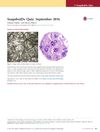
 This quiz based on a Journal of Investigative Dermatology article reports no new clinical results but serves as an educational tool for diagnosing scalp conditions, including scalp psoriasis and psoriatic alopecia.
 April 2023 in “Journal of Investigative Dermatology”
 This study found that the oral IRAK4-inhibitors BAY 1834845 and BAY 1830839 reduced skin inflammation and systemic inflammatory responses in healthy volunteers, showing similar pharmacodynamic effects to prednisolone when challenged with topical imiquimod and intravenous LPS.
2 citations
,
September 2014 in “International Journal of Dermatology” Sodium valproate can worsen psoriasis-like skin conditions.
 May 2023 in “Stem cell research & therapy”
 This study describes a novel method using force-triggered density gradient sedimentation for efficiently isolating dermal papilla cells from neonatal mouse skin, showing promise for hair follicle regeneration research.
3 citations
,
July 2023 in “International Journal of Trichology” This study found that treatment with diphenylcyclopropenone led to more than 75% hair regrowth in 33.3% of patients with alopecia totalis or alopecia universalis, despite notable side effects.
14 citations
,
July 2021 in “Journal of the American Academy of Dermatology” Topical dapsone gel reduced flare-ups in folliculitis decalvans without side effects.
June 2020 in “Jurnal Penyakit Dalam Indonesia” This case study highlights that primary biliary cholangitis in a patient with systemic lupus erythematosus can respond well to ursodeoxycholic acid therapy, and anti-DFS70 findings may require further evaluation for other nonsystemic autoimmune conditions.
116 citations
,
January 1957 in “Australian Journal of Agricultural Research” This study analyzed skin specimens from Australian Merino ewes to estimate hair follicle properties across different strains, providing baseline data essential for future genetic studies on fleece structure, but reported no new conclusions.
41 citations
,
July 2001 in “PubMed” This study reported that while finasteride and progesterone significantly inhibited dihydrotestosterone synthesis in dermal papillae, estrogens were less effective.
 October 2021 in “Journal of Investigative Dermatology”
 This study developed the first patient-driven outcome set for psoriasis, emphasizing the importance of symptom control, treatment efficacy, confidence in care, and disease control as key factors for evaluating treatment success.
5 citations
,
January 1998 in “Journal of dermatological treatment” This study found that calcitriol, tacalcitol, and calcipotriol ointments achieved complete clearance of scalp psoriasis in 45%, 35.2%, and 17.6% of patients, respectively, with minimal side effects.

This study reported that dupilumab successfully induced remission of chronic, disseminated eczema herpeticum in a six-year-old girl with DOCK8-deficiency hyper-IgE syndrome, achieving complete resolution of herpetic lesions and significant skin, hair, and nail improvement within three months.
 August 2019 in “Journal of The American Academy of Dermatology”
 PFD patch helps laser tattoo removal, trichoscopy diagnoses AGA, and serum boosts SOD activity.
1 citations
,
August 2016 This study investigated the cytotoxic effects of DHA derivatives on cancer cell lines and found that didocosahexaenoin was the most potent, inducing apoptosis and producing reactive oxygen species in PC3 prostate carcinoma cells.
This chapter provides dermatology trainees with insights on managing lichen planopilaris, emphasizing treating active disease to prevent further hair loss and recommending a tapered course of oral steroids for disease stabilization.
 January 2021 in “Clinical dermatology open access journal”
 This study surveyed dermatologists and found that Doxepin was the most preferred anti-depressant for treating psycho dermatoses in elderly patients.