
This study reported that dupilumab successfully induced remission of chronic, disseminated eczema herpeticum in a six-year-old girl with DOCK8-deficiency hyper-IgE syndrome, achieving complete resolution of herpetic lesions and significant skin, hair, and nail improvement within three months.
 27 citations
,
August 1984 in “Experimental and Molecular Pathology”
27 citations
,
August 1984 in “Experimental and Molecular Pathology”  31 citations
,
September 2014 in “International Journal of Dermatology”
31 citations
,
September 2014 in “International Journal of Dermatology” This article reviews anthralin's pharmacology, mode of action, and its use for psoriasis and other dermatoses, but reports no new clinical results.
10 citations
,
June 2019 in “Dermatologic therapy” In this study, treatment with DPCP alone was more effective for hair regrowth and presented fewer side effects in chronic extensive alopecia areata compared to combination therapy with DPCP and anthralin.
May 2026 in “International Journal of Applied Pharmaceutics” This study developed a stable nanoemulsion of Avicennia marina heartwood extract showing promising anti-dandruff activity against Pityrosporum ovale and favorable physicochemical properties, which supports its potential use in topical formulations.
 November 1999 in “Reactions Weekly”
  June 2023 in “Indian Journal of Canine Practice”
 This study reports a case of a Persian cat with Malassezia pachydermatis infection, treated with fluconazole, topical miconazole shampoo, and a skin tonic. The cat showed remarkable clinical improvement after one week and fully recovered after four weeks.
January 2022 in “Springer eBooks”  11 citations
,
January 2018 in “RSC Advances”
11 citations
,
January 2018 in “RSC Advances” Cedrol cream is more effective and safe for promoting hair growth than traditional treatments.
 41 citations
,
November 1993 in “Journal of The American Academy of Dermatology”
41 citations
,
November 1993 in “Journal of The American Academy of Dermatology” This study found that DPCP treatment led to cosmetically acceptable hair regrowth in 38% of patients with chronic severe alopecia areata, while adding 5% minoxidil showed no significant clinical benefit.
9 citations
,
January 2021 in “Acta Cirúrgica Brasileira” This study found that DPG promoted wound healing in rat skin, with increased collagen I density, particularly evident within the first 14 days after injury.
1 citations
,
October 2024 in “Veterinary Sciences” In this case study, hemodialysis was reported as an effective treatment for a cat suffering from minoxidil toxicosis, leading to the cat's full recovery over an 11-day hospitalization period.
 October 2024 in “International Journal For Multidisciplinary Research”
 This review highlights that Wedelolactone, a compound in Eclipta prostrata, appears to be a potent antioxidant and selective modulator of proteins linked to chronic diseases, suggesting further research into its pharmacological effects is warranted according to the examined data.
 January 2026 in “Zenodo (CERN European Organization for Nuclear Research)”
 This study used molecular docking simulations to identify Adapalene, Diosmin, and Azelastine as promising drugs for repurposing against Onchocerciasis by targeting Onchocerca volvulus and its endosymbiont; further research is suggested to confirm their efficacy.
 May 2024 in “Journal of biomaterials science. Polymer ed.”
 This study found that three-layer dissolving microneedles for delivering Minoxidil showed improved skin drug penetration and reduced irritation risk compared to traditional Minoxidil cream, suggesting a promising alternative for alopecia areata treatment.
30 citations
,
February 1996 in “Journal of Investigative Dermatology”  January 2026 in “Drug Delivery and Translational Research”
 This study investigated the integration of crystal engineering and microneedle technology for androgenetic alopecia treatment, finding that microneedles loaded with newly developed Kopexil multicomponent crystals reduced drug diffusion rates in vitro compared to standard formulations.
13 citations
,
June 2011 in “PubMed” This case report describes a man with Touraine-Solente-Golé syndrome who achieved substantial improvement of tufted hair folliculitis after treatment with amoxicillin, clavulanic acid, and topical nadifloxacin.
October 2024 in “JURNAL ILMU KEFARMASIAN INDONESIA” This study found that the F6 formulation of a hair tonic containing EDS and ATG extracts produced the most significant hair growth in rabbits, without causing skin irritation and remaining stable throughout the observation period.
July 2026 in “Journal of the American Academy of Dermatology”  1 citations
,
January 2023 in “Advances in animal and veterinary sciences”
1 citations
,
January 2023 in “Advances in animal and veterinary sciences” This study found that in Yogyakarta, dermatophytosis in cats is primarily caused by M. canis and characterized by symptoms such as alopecia, crust, and erythema.
 19 citations
,
January 2000 in “Biological and Pharmaceutical Bulletin”
19 citations
,
January 2000 in “Biological and Pharmaceutical Bulletin” In this study, the researchers observed that the transdermal permeation mechanisms of diclofenac salts differ based on counterions, with varying pathways and routes for passive and iontophoretic transport.
 March 2005 in “Journal of The American Academy of Dermatology”
 The two lotions used day and night may be a good alternative to minoxidil for hair loss treatment with better cosmetic effects and tolerance.
1 citations
,
January 1987 in “Veterinary Dermatology” The study reported that topical 0.1% tacrolimus improved proliferative and necrotizing otitis externa in cats, with complete lesion resolution in some cases.
 191 citations
,
February 2002 in “Archives of Dermatology”
191 citations
,
February 2002 in “Archives of Dermatology” This review discusses herbal therapies for dermatologic disorders, focusing on those with scientific evidence of efficacy and common interactions, but reports no new clinical results.
April 2018 in “Blackwell's Five‐Minute Veterinary Consult Clinical Companion” This chapter reviews common dermatoses in small animals and offers bulleted lists as a preliminary tool for formulating differential diagnoses, but reports no new clinical findings.
 1 citations
,
October 2025 in “Nano Research”
1 citations
,
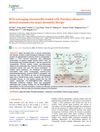
October 2025 in “Nano Research” In this study, researchers developed a dissolvable microneedle patch combining HA-TEMPO and Portulaca oleracea L.-derived nanoparticles, which effectively reduced oxidative stress and inflammation in an atopic dermatitis model while restoring immune balance, suggesting a promising treatment strategy.
45 citations
,
June 1984 in “Journal of the American Veterinary Medical Association” In this study, zinc supplementation rapidly improved conditions such as anorexia, depression, and foot soreness in sheep and goats diagnosed with zinc deficiency, along with healing skin lesions and resumption of hair and wool growth.
 October 2020 in “Journal of bio innovation”
 In this study, DanEra, an herbal hair tonic from Pomegranate and Beetroot extracts, showed equivalent effectiveness to the standard drug Ketoconazole in microbiological tests and provided significant relief from severe dandruff in all volunteers within 10 days.
This study explored Black Sea shark liver oil-based emulgels, finding that the addition of borage oil (Gel 2) enhanced the anti-inflammatory and wound healing properties compared to shark liver oil alone (Gel 1) and a reference diclofenac gel, suggesting promising eco-friendly applications in dermatocosmetics.