1 citations
,
January 2020 in “Refubium (Universitätsbibliothek der Freien Universität Berlin)” This thesis explored how stratum corneum barrier disruption and pH-sensitive nanoparticles influence drug penetration and release in skin models, highlighting potential applications for treating atopic dermatitis.
 86 citations
,
August 2011 in “Toxicological sciences”
86 citations
,
August 2011 in “Toxicological sciences” In this study, researchers found that TCDD exposure accelerated differentiation and altered gene expression in human epidermal cells, indicating the epidermal barrier as a target of TCDD-activated AHR.
 10 citations
,
December 2014 in “Journal of Pharmaceutical and Biomedical Analysis”
10 citations
,
December 2014 in “Journal of Pharmaceutical and Biomedical Analysis” Finasteride's polymorphic form affects capsule quality and drug effect, requiring strict control.
10 citations
,
March 2016 in “Toxicology and applied pharmacology” This study reports that A132, a hair dye ingredient, induces phototoxicity and photogenotoxicity via mitochondrial apoptosis when exposed to sunlight, suggesting potential risks of oxidative stress and hair damage.
August 2026 in “Ebers Papyrus” This study concluded that allele-specific PCR (AS-PCR) is more reliable than tetra-primer ARMS-PCR for genotyping the SNP rs1998076 due to better stability and interpretability.
November 2025 in “Journal of Investigative Dermatology” This study found that UVB exposure led to visible tanning and distinct DNA methylation changes in pigmentation genes in tan-capable skin but not in non-tan skin, highlighting GNAS as a potentially UVB-responsive gene.
 August 2026 in “Cell Communication and Signaling”
 This study found that intravenous administration of a shark-derived receptor antibody, 3P17, promoted hair growth in mice by increasing hair matrix cell proliferation and activating leptin-STAT3 signaling, with transdermal leptin delivery enhancing this effect through improved skin penetration.
 2 citations
,
August 2019 in “International Journal of Applied Pharmaceutics”
2 citations
,
August 2019 in “International Journal of Applied Pharmaceutics” This study explored the use of SOD-loaded niosomes as carriers to enhance the delivery of superoxide dismutase into hair follicles on guinea pig skin, finding that niosomes improved SOD penetration and preservation compared to free SOD, suggesting their potential as effective delivery vehicles.
 April 2025 in “Jurnal Inovasi Bahan Lokal dan Pemberdayaan Masyarakat”
 This study found that variations in propylene glycol concentration in wax apple leaf extract hair tonic affected pH, specific gravity, and viscosity, aligning with SNI requirements.
323 citations
,
April 2006 in “The journal of investigative dermatology/Journal of investigative dermatology” This study found that 40 nm nanoparticles can effectively penetrate into hair follicles and epidermal Langerhans cells in human skin samples, potentially enabling efficient transcutaneous vaccine delivery.
September 2015 in “Photodiagnosis and Photodynamic Therapy”  19 citations
,
December 2015 in “Journal of Investigative Dermatology”
19 citations
,
December 2015 in “Journal of Investigative Dermatology” This study found that keratin 17 expression is initially down-regulated and later strongly up-regulated by ionizing radiation in a rat model, with p53 repressing early transcription.
5 citations
,
January 2024 in “Crystals” This study characterized the crystal structures and supramolecular architectures of new salts made from 2,4-diaminopyrimidine and different dicarboxylic acids, revealing subtle differences in crystal packing and hydrogen-bonding patterns, particularly influenced by sulfur atom interactions, through Hirshfeld analysis and enrichment ratios.
29 citations
,
September 2020 in “Polymers” This study found that electrospun poly(ε-caprolactone)/poly(3-hydroxybutyrate) blend fibers demonstrated nanometric dimensions and promising properties for drug delivery, with curcumin release linked to fiber morphology and processing parameters.
 May 2026 in “Zenodo (CERN European Organization for Nuclear Research)”
 In this study, researchers described ONCO-NK-TRANSITION-GM1, a cancer therapy that's manufacturable with current pharmaceutical methods, showing a 60-80% complete response rate across various cancer types and costing $50 per dose, providing a more accessible alternative to existing treatments.
4 citations
,
November 2024 in “Toxicology Research” In this study, researchers reported that a combined formulation of curcumin and piperine in niosomal nanoparticles shows promise as a treatment for paraquat-induced lung toxicity, potentially due to improved bioavailability and strong antioxidant properties.
1 citations
,
October 2022 in “Iet Nanobiotechnology” This study explored a new dutasteride nanocarrier for alopecia therapy, concluding that ingredient concentration is key to achieving the optimal particle size, stability, and skin permeation for extended drug release.
August 2025 in “Nanomaterials” This study found that tea polyphenol–zinc significantly improved intestinal barrier function and reduced liver inflammation and oxidative stress in mice with diquat-induced damage.
3 citations
,
May 2025 in “Journal of Applied Polymer Science” This study developed a multifunctional, sprayable hydrogel with temperature responsiveness, showing strong antimicrobial properties against E. coli and S. aureus, antioxidant activity, and cytocompatibility, indicating potential for wound healing applications.
4 citations
,
March 2023 in “IP International Journal of Comprehensive and Advanced Pharmacology” This study explored the development of a self nanoemulsifying drug delivery system to enhance the solubility and oral bioavailability of exemestane HCl for breast cancer therapy.
2 citations
,
October 2023 in “JDDG Journal der Deutschen Dermatologischen Gesellschaft” This case report found that dupilumab treatment in a 5-year-old with prurigo nodularis considerably reduced her itch severity and nearly cleared the skin lesions after six months.
3 citations
,
October 2013 in “International Journal of Rheumatic Diseases” This case report found that a patient with cutaneous polyarteritis nodosa experienced rare and severe manifestations, including digital gangrene and a breast ulcer, requiring aggressive treatment and resulting in below-knee amputation.
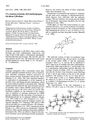 December 1998 in “Acta Crystallographica Section C-crystal Structure Communications”
 This study describes the molecular conformation and intermolecular interactions in the crystalline structure of the compound C24H31BrO4.
 June 2026 in “International Journal of Drug Delivery Technology”
 In this study, researchers optimized fast-dissolving tablets of nifedipine using a systematic approach, resulting in formulations that demonstrated rapid disintegration, enhanced dissolution profiles, and improved solubility, potentially improving oral delivery for patients requiring poorly soluble antihypertensive medication.
 2 citations
,
June 2024 in “International Journal of Drug Delivery Technology”
2 citations
,
June 2024 in “International Journal of Drug Delivery Technology” This review describes advanced drug delivery systems for dithranol aimed at overcoming stability issues and skin irritation seen in conventional formulations, highlighting options like nanoparticles and liposomes for improved psoriasis treatment.
 April 2019 in “Journal of Investigative Dermatology”
 This study identifies a mechanism where dsRNA activates TLR3 to induce RA production, promoting hair follicle regeneration in mice and suggesting a potential role in human tissue regeneration.
 May 2024 in “Nano letters”
 This study developed a quercetin-encapsulated and polydopamine-integrated nanosystem that reshapes the perifollicular microenvironment, showing potential for rescuing hair follicle viability and regenerating hair follicles in androgenic alopecia by scavenging reactive oxygen species and promoting angiogenesis.
8 citations
,
July 2015 in “International Journal of Dermatology” This study reports that a homozygous A1103G mutation in DSG 4 is responsible for localized autosomal recessive hypotrichosis in a 2-year-old Chinese girl, resulting in reduced DSG 4 expression and hair defects.
September 1999 in “Molecular Carcinogenesis” This study reported that overexpressing ornithine decarboxylase in C57Bl/6 mice increased their sensitivity to tumor promotion by TPA, a change reversible by doxycycline treatment.
1 citations
,
August 2016 This study investigated the cytotoxic effects of DHA derivatives on cancer cell lines and found that didocosahexaenoin was the most potent, inducing apoptosis and producing reactive oxygen species in PC3 prostate carcinoma cells.