 January 2026 in “Microsystems & Nanoengineering”
 This study analyzed 853 articles to reveal that research on silica-based nanobiomaterials in regenerative medicine has rapidly increased, with distinct regional differences in impact and emerging focus areas in drug delivery and wound healing.
 January 2026 in “International journal of research and scientific innovation”
 In this laboratory study, researchers developed a multifunctional organic hair cream with various natural extracts, finding that the cream with 15% extracts demonstrated higher physical stability, hair strength, and antimicrobial activity compared to lower concentration samples and synthetic alternatives.
 December 2025 in “IP Indian Journal of Clinical and Experimental Dermatology”
 This review reports that the treatment of androgenetic alopecia is shifting from single therapies to personalized, multimodal approaches incorporating both traditional and emerging pharmacologics, regenerative strategies, nutraceuticals, cosmeceuticals, and device-based interventions, with combination regimens showing improved outcomes.
December 2025 in “International Journal of Cosmetic Science” A new tool helps better assess and treat hair loss in Chinese men.
 November 2025 in “Advances in Education Humanities and Social Science Research”
 This review reports that certain chemical ingredients in cosmetics are linked to various health issues, including cancer and reproductive disorders, and highlights concerns about their safety, advising careful selection and use to mitigate potential risks to human health.
 November 2025 in “International Journal of Innovative Research in Technology”
 This study assesses the impact of teaching programs on the knowledge of waste management among women, but results are not reported in the abstract.
October 2025 in “Burns & Trauma” This review highlights recent advancements in engineered probiotics for wound healing, reporting that genetically engineered strains of Lactobacillus reuteri and Lactococcus cremoris have shown promise in promoting faster wound healing in pre-clinical and clinical settings, particularly for diabetic foot ulcers.
October 2025 in “Frontiers in Endocrinology” This study confirmed that methimazole use is associated with agranulocytosis, pyrexia, exposure during pregnancy, and hyperthyroidism, while also identifying new safety signals like premature birth and septic shock that require further investigation.
 September 2025 in “The American Journal of Medical Sciences and Pharmaceutical Research”
 In this analysis, the authors examine how hairdressing techniques like thinning and micro-graduation can correct women's hairlines by softening optical contours and enhancing visual symmetry, emphasizing the relevance of individual factors such as morphology and stylistic expectations in selecting these non-medical approaches.
 April 2025 in “Scientific Reports”
 This study explores how Astragaloside A from traditional Chinese medicine may combat lung adenocarcinoma by regulating key signaling molecules like STAT3 and AKT, using techniques such as network pharmacology and molecular docking to understand its mechanisms in cellular models.
 December 2024 in “Здобутки клінічної і експериментальної медицини”
 This study reviews current research on skin repair and regeneration, highlighting promising methods such as stem cell therapies, nanotechnology, and skin substitutes, which may enhance healing and resistance to environmental damage.
 December 2024 in “Advanced Composites and Hybrid Materials”
 This study provides a comprehensive review of the use of electrospinning technology to create 3D porous structures for bone implants, emphasizing the synergy between biomedicine and materials science necessary for developing orthopedic materials.
 May 2024 in “Drug discovery today”
 This review discusses the potential role of thyroid receptor β agonists in treating androgenetic alopecia, reporting no new clinical results while highlighting their mechanism and anti-alopecia efficacy.
 May 2024 in “International journal of nanomedicine”
 This review highlights the potential of extracellular vesicles derived from medicinal plants as therapeutics for diseases such as cancer and inflammation, suggesting they may enhance the clinical use of herbal preparations, despite the challenges posed by extract complexity and individual variability.
 February 2024 in “Frontiers in physiology”
 This review highlights the important role of lymphatic vessels in skin regeneration and their interaction with skin stem cells, emphasizing recent research advancements and potential implications for managing skin diseases.
January 2024 in “Journal of Natural Remedies” This review identifies recent advances in cholangiocarcinoma research, emphasizing the potential of alkaloids to induce apoptosis and inhibit cellular spread in cancer cell lines, offering insights into future therapeutic compound development.
 December 2023 in “Pakistan Journal of Medical & Health Sciences”
 This study found that in South Asian women with PCOS, the severity of non-alcoholic fatty liver disease is strongly linked to early renal dysfunction, as indicated by increased serum creatinine and urinary albumin levels, and reduced eGFR.
December 2023 in “Journal of Volgograd State Medical University” This study reviewed current research on white, brown, and beige adipose tissue, highlighting their roles in metabolism, thermogenesis, tissue repair, and stem cell activity, and identified the study of adiponectins as important for advancing knowledge of metabolic syndrome and tissue regeneration mechanisms.
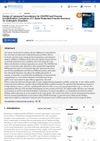 November 2023 in “ACS Omega”
 This study reported that a novel cationic liposome formulation for delivering encapsulated Cas9 protein and sgRNA successfully decreased SRD5α2 mRNA expression by 29.7% in vitro, suggesting a potential alternative treatment option for conditions like prostate cancer and benign prostatic hyperplasia without current drug side effects.
 October 2023 in “Journal of Drug Delivery Science and Technology”
 This review highlights the emerging potential of electrospun nanofibers in promoting hair growth for androgenetic alopecia, showcasing their advantages like high porosity and antibacterial activity, and the possibility of integrating active pharmaceuticals.
 September 2023 in “Deleted Journal”
 This study observed that lifestyle modifications resulting in weight loss improved menstrual irregularity and hormonal balance among infertile obese women with polycystic ovary syndrome, although changes in total testosterone and estrone were not significant.
 January 2023 in “bioRxiv (Cold Spring Harbor Laboratory)”
 In this study, researchers observed that after mesenchymal cell division in mouse and chicken embryonic skin, elevated migration speed and persistence for 180 minutes contribute to mesenchymal dispersal and preferential recruitment to dermal condensates.
 November 2021 in “Research Outreach”
 Low testosterone levels may lead to more severe COVID-19 outcomes.
 June 2020 in “Journal of cosmetic medicine”
 This abstract reviews eyebrow transplantation techniques, highlighting that follicular unit extraction prevents scarring at the donor site, unlike strip harvesting, and reports no new clinical results.
December 2019 in “Journal of Cosmetic Dermatology” In this study, researchers developed an innovative training model using oranges to practice designing the scalp's parietal whorl for hair transplantation. They reported that a density of 40-50 follicular units per cm² achieved better results, aiding surgeons in improving their technique.

The researchers developed a new follicular unit extraction system with adjustable needle lengths and precise rotation speed, which they report as being superior to existing systems for non-incisional hair transplants.
 January 2017 in “SM dermatology journal”
 This article presents eyebrow transplantation techniques developed from over 1,000 procedures at the authors' clinic, with no new clinical outcomes reported.

Chemicals and stem cells combined have advanced regenerative medicine with few safety concerns, focusing on improving techniques and treatment effectiveness.
 June 2014 in “Wound Medicine”
 This review discusses evaluation and treatment options for polycystic ovary syndrome and reports no new clinical results; it emphasizes a multi-system approach using the mnemonic "MY PCOS.
 January 2014 in “Journal of Cutaneous and Aesthetic Surgery”
 The document suggests that for better patient satisfaction in hair transplants, high-quality photos are needed, and using a narrow donor strip might lead to fewer grafts and dissatisfaction, but filling the scar with FUE grafts and using tranexamic acid can improve results.